Risk Score Model of Aging-Related Genes for Bladder Cancer and Its Application in Clinical Prognosis
- PMID: 40779729
- PMCID: PMC12360192
- DOI: 10.1200/CCI-25-00019
Risk Score Model of Aging-Related Genes for Bladder Cancer and Its Application in Clinical Prognosis
Erratum in
-
Erratum: Risk Score Model of Aging-Related Genes for Bladder Cancer and Its Application in Clinical Prognosis.JCO Clin Cancer Inform. 2025 Aug;9:e2500251. doi: 10.1200/CCI-25-00251. Epub 2025 Sep 8. JCO Clin Cancer Inform. 2025. PMID: 40919793 No abstract available.
Abstract
Purpose: Bladder cancer (BLCA) ranks as the tenth most common malignancy worldwide, with rising incidence and mortality rates. Owing to its molecular and clinical heterogeneity, BLCA is associated with high rates of recurrence and metastasis after surgery, contributing to a poor 5-year survival rate. There is a pressing need for highly sensitive and specific molecular biomarkers to enable early identification of high-risk patients, guide clinical management, and improve patient outcomes. This study aimed to develop a prognostic model on the basis of aging-related genes (ARGs) to evaluate survival outcomes and immunotherapy responsiveness in patients with BLCA, and to further explore its relevance to the tumor immune microenvironment and drug sensitivity.
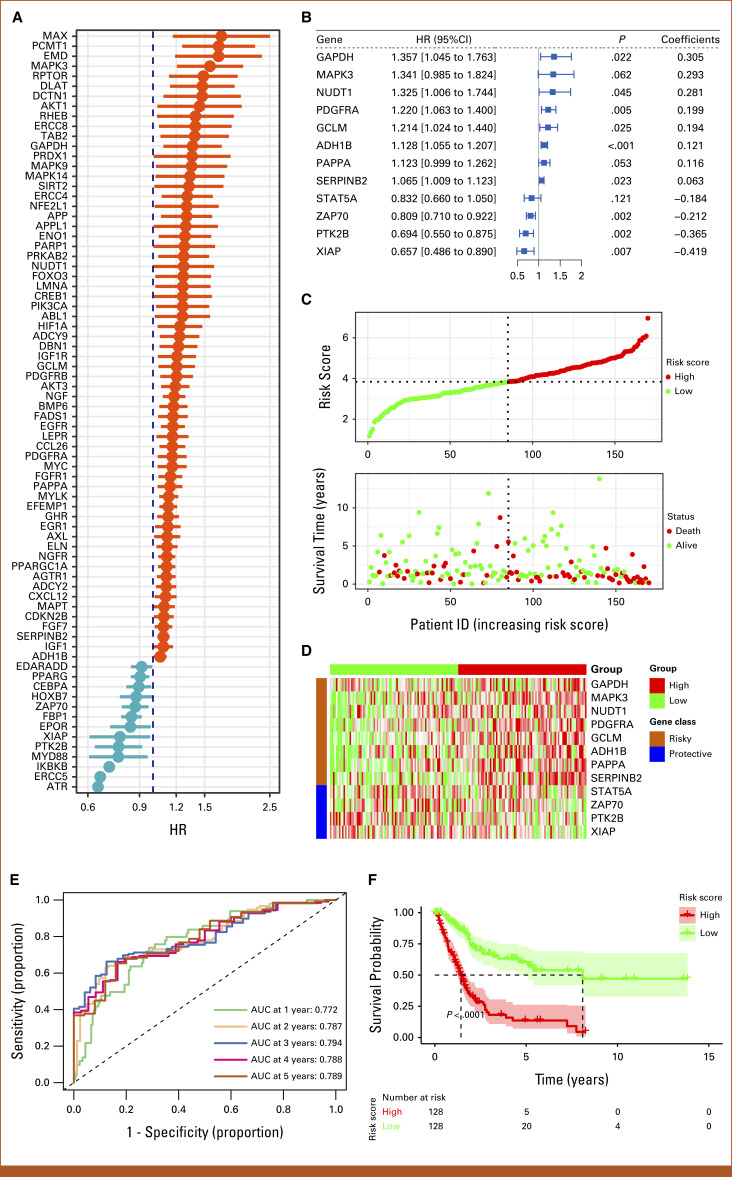
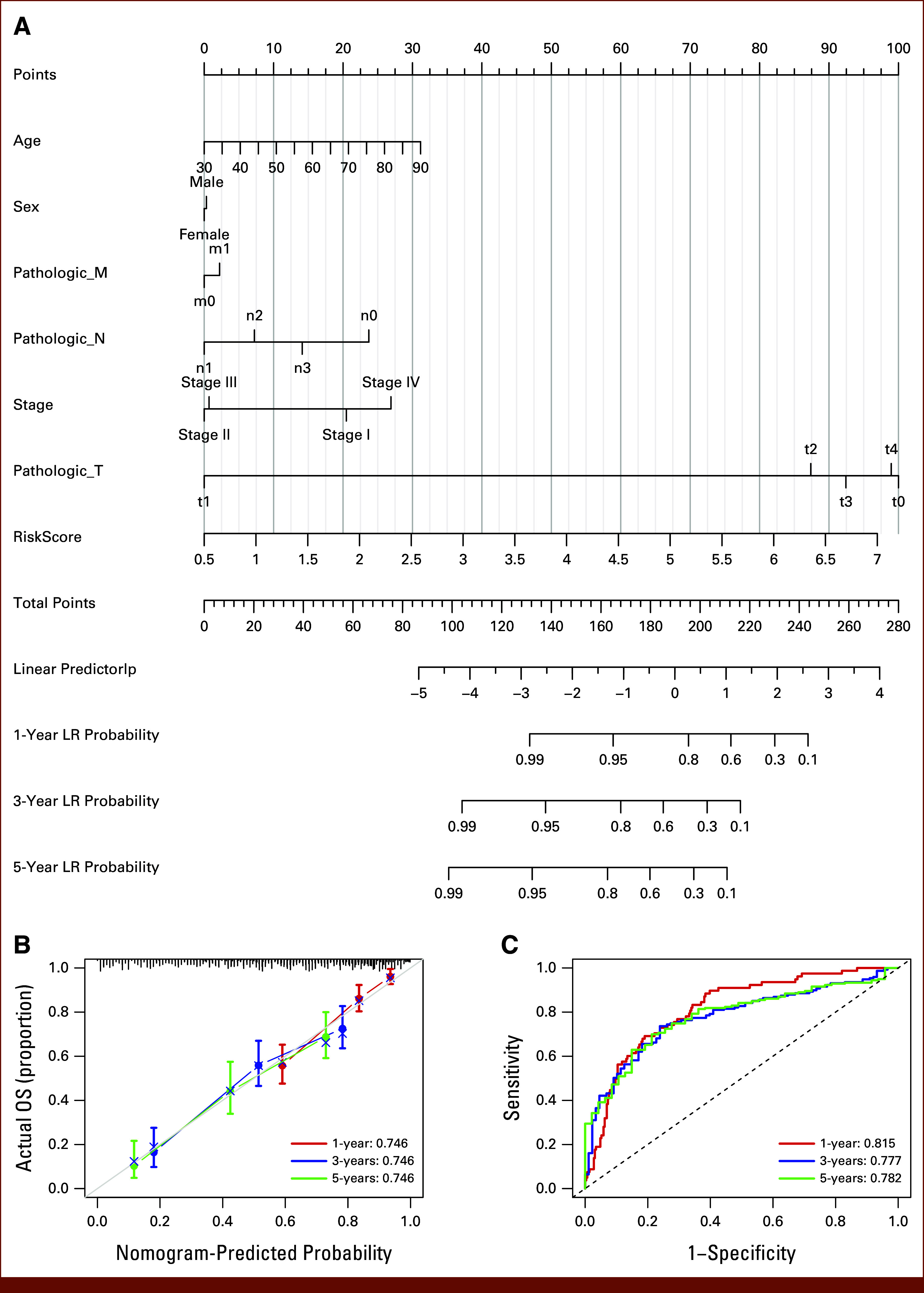
Materials and methods: Transcriptomic and clinical data from The Cancer Genome Atlas (TCGA) and Gene Expression Omnibus were used to construct a 12-gene ARG-based prognostic signature through LASSO and Cox regression analyses. Patients were stratified into high-risk and low-risk groups according to the median risk score. Kaplan-Meier survival curves, receiver operating characteristic analyses, and nomograms were used to assess the predictive value of the model. Univariate and multivariate Cox regression analyses were conducted to determine its prognostic independence.
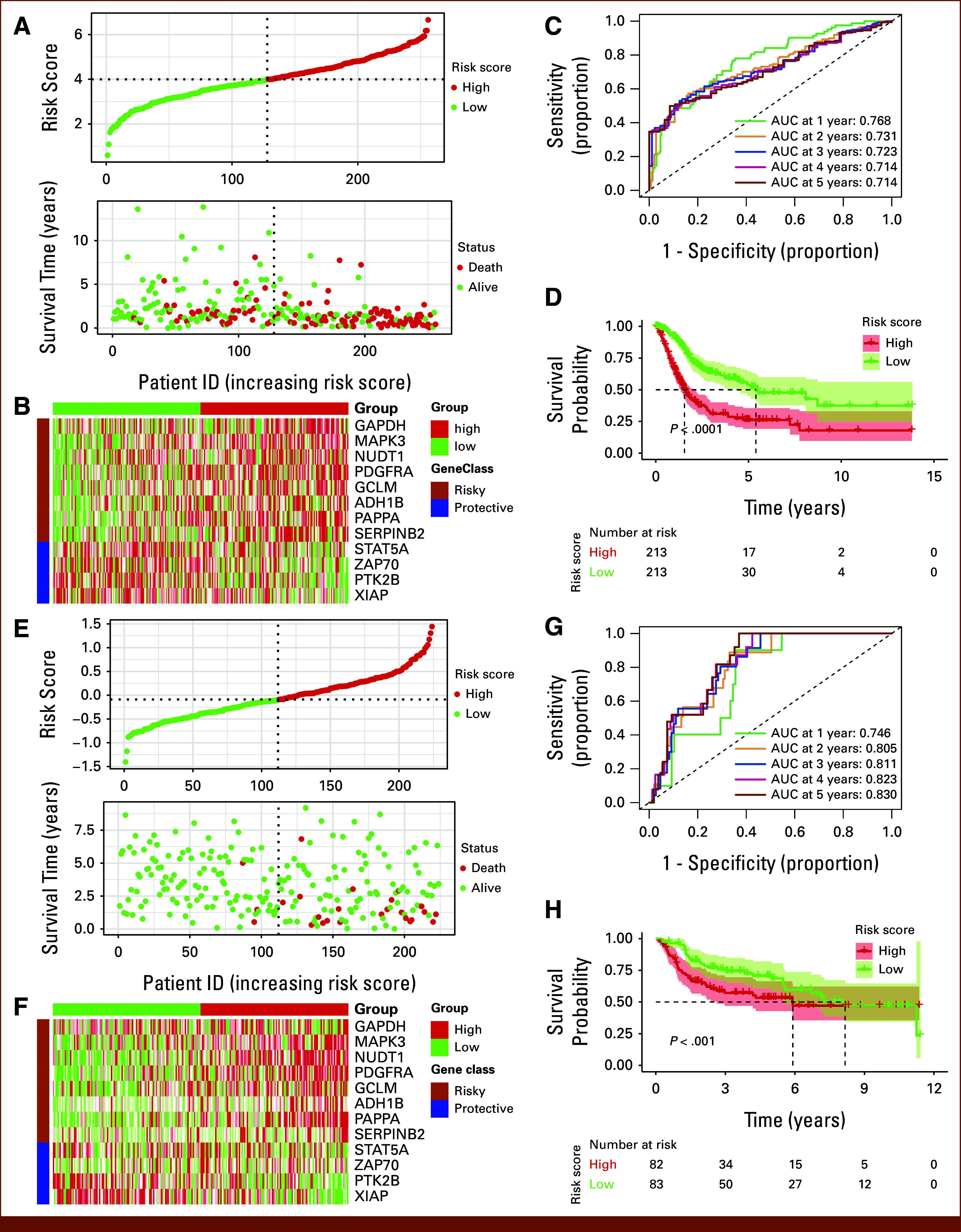
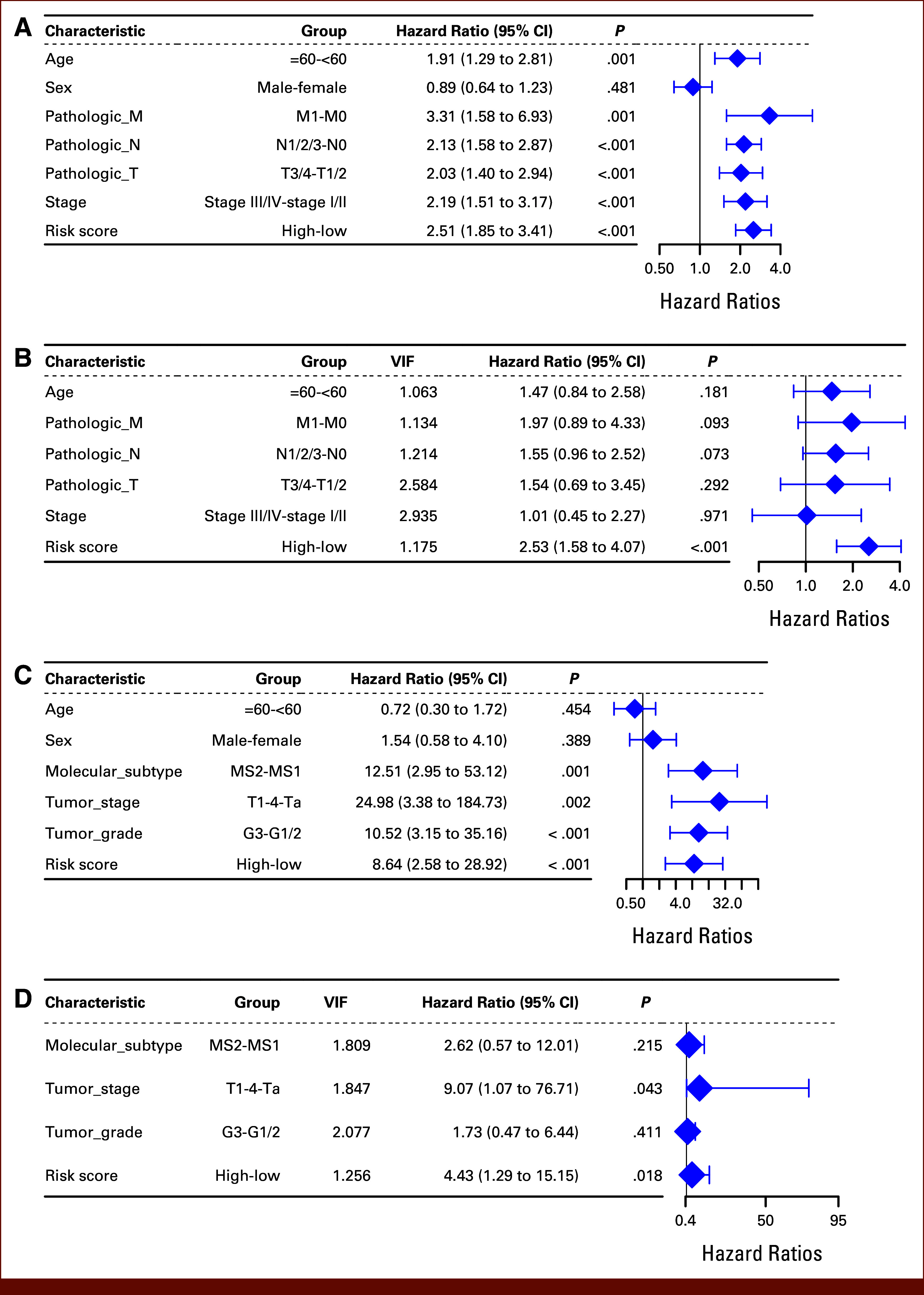
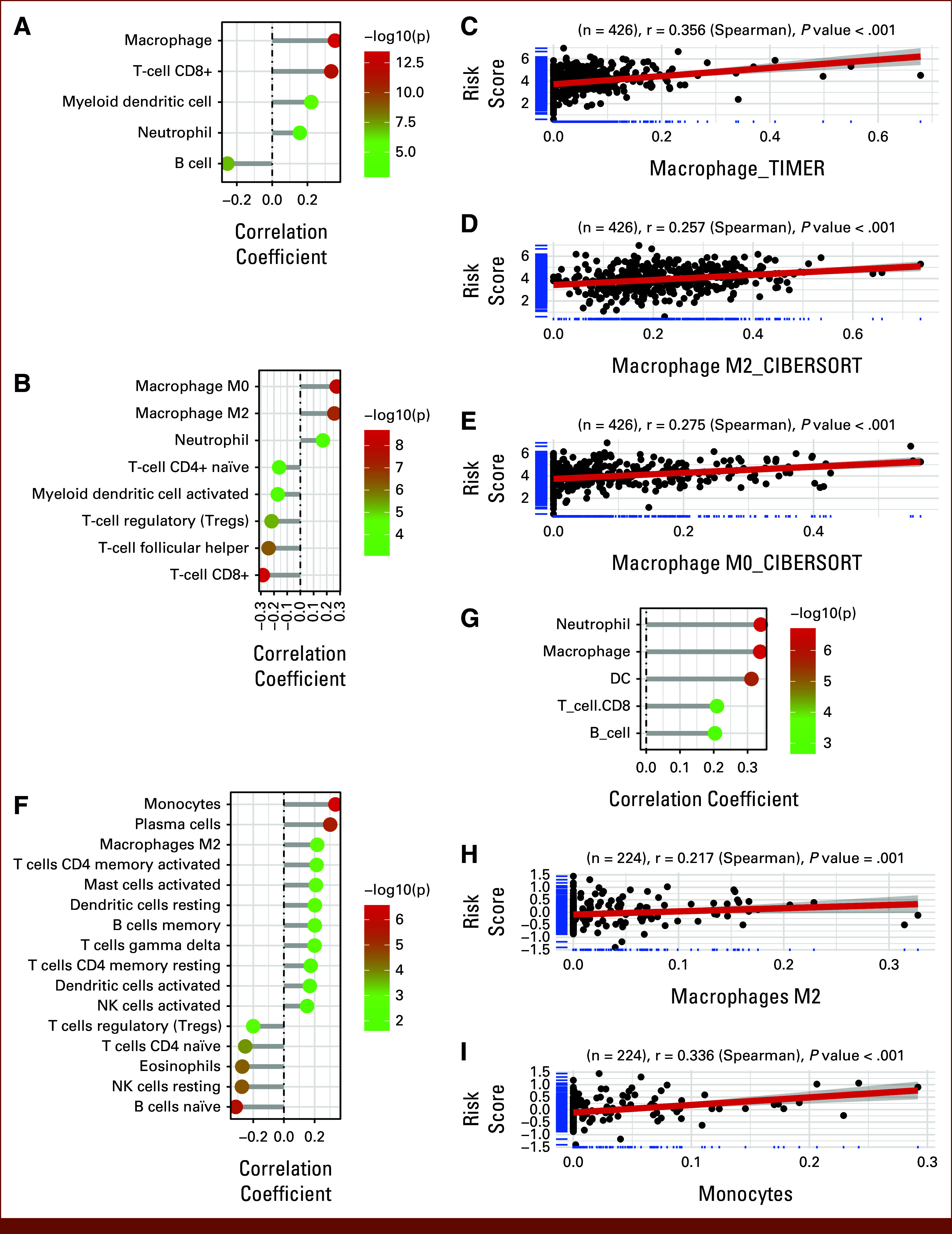
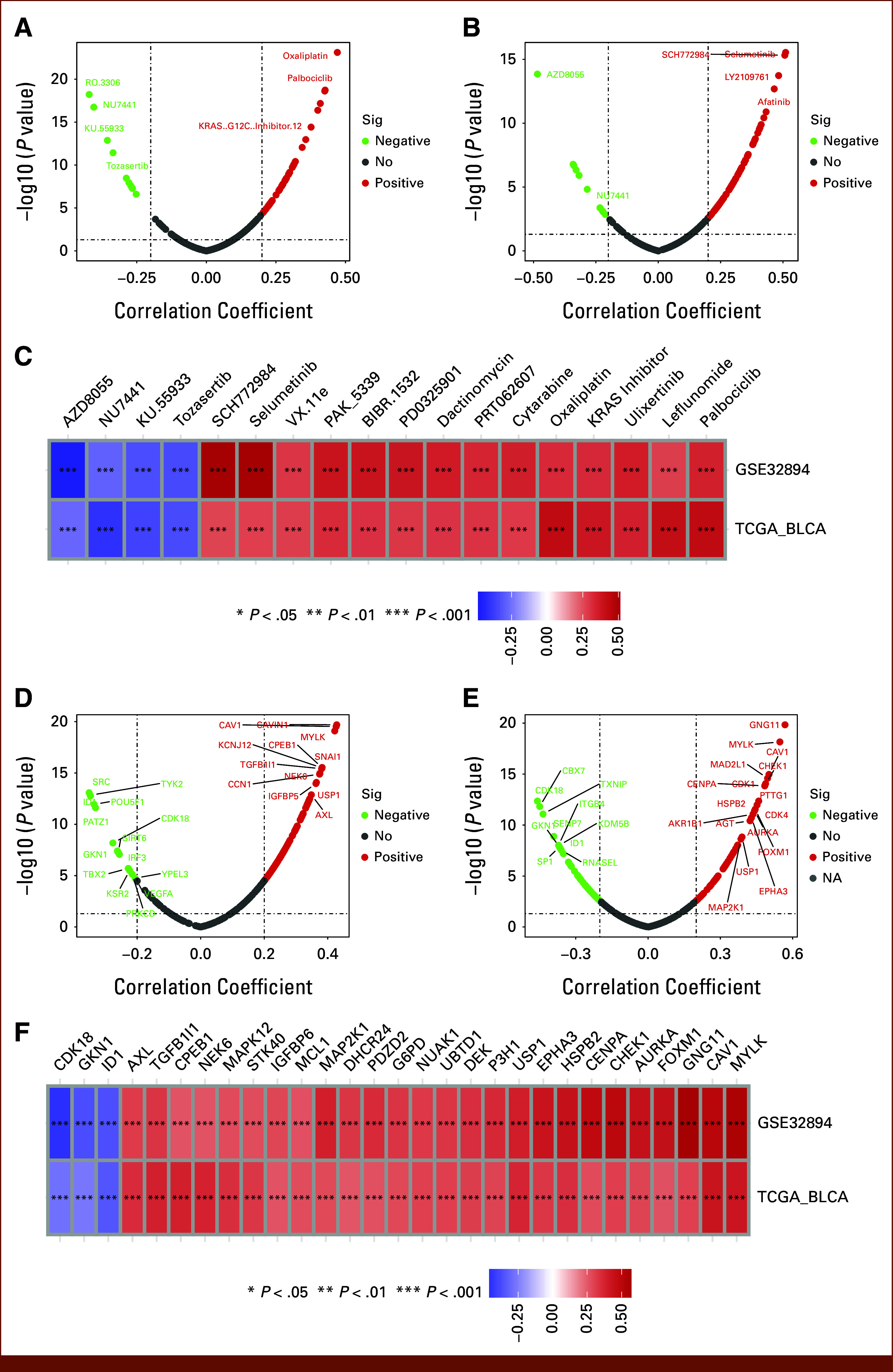
Results: Twelve ARGs were identified. Patients in the low-risk group exhibited significantly better overall survival (P < .0001). In the TCGA cohort, the model yielded AUC values ranging from 0.772 to 0.794 across 1-5 years. Cox regression confirmed the ARG score as an independent prognostic indicator. External validation using the GSE32894 data set supported its clinical reliability. The ARG signature was also associated with immune cell infiltration and predicted chemosensitivity.
Conclusion: The ARG-based risk score independently predicts clinical prognosis in BLCA and correlates with immune microenvironment characteristics, offering potential value in guiding personalized treatment strategies.
Conflict of interest statement
The following represents disclosure information provided by authors of this manuscript. All relationships are considered compensated unless otherwise noted. Relationships are self-held unless noted. I = Immediate Family Member, Inst = My Institution. Relationships may not relate to the subject matter of this manuscript. For more information about ASCO's conflict of interest policy, please refer to
Open Payments is a public database containing information reported by companies about payments made to US-licensed physicians (
No potential conflicts of interest were reported.
Figures

References
-
- van Hoogstraten LMC, Vrieling A, van der Heijden AG, et al. : Global trends in the epidemiology of bladder cancer: Challenges for public health and clinical practice. Nat Rev Clin Oncol 20:287-304, 2023 - PubMed
-
- Kaufman DS, Shipley WU, Feldman AS: Bladder cancer. Lancet 374:239-249, 2009 - PubMed
-
- van Rhijn BWG, Hentschel AE, Bründl J, et al. : Prognostic value of the WHO1973 and WHO2004/2016 classification systems for grade in primary Ta/T1 non-muscle-invasive bladder cancer: A multicenter European association of urology non-muscle-invasive bladder cancer guidelines panel study. Eur Urol Oncol 4:182-191, 2021 - PubMed
-
- Martini A, Sfakianos JP, Renström-Koskela L, et al. : The natural history of untreated muscle-invasive bladder cancer. BJU Int 125:270-275, 2020 - PubMed
MeSH terms
Substances
LinkOut - more resources
Full Text Sources
Medical