


An improved EAE-DETR model for defect detection of server motherboard
- PMID: 40781129
- PMCID: PMC12334653
- DOI: 10.1038/s41598-025-14957-2
An improved EAE-DETR model for defect detection of server motherboard
Erratum in
-
Correction: An improved EAE-DETR model for defect detection of server motherboard.Sci Rep. 2025 Sep 23;15(1):32636. doi: 10.1038/s41598-025-20931-9. Sci Rep. 2025. PMID: 40987820 Free PMC article. No abstract available.
Abstract
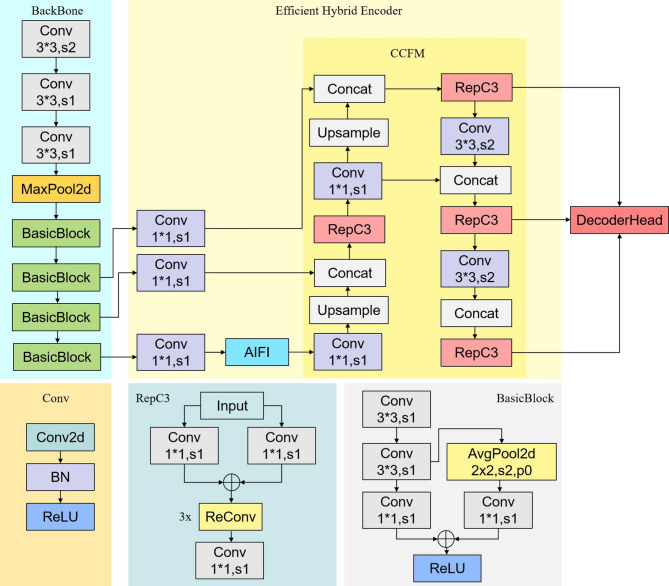
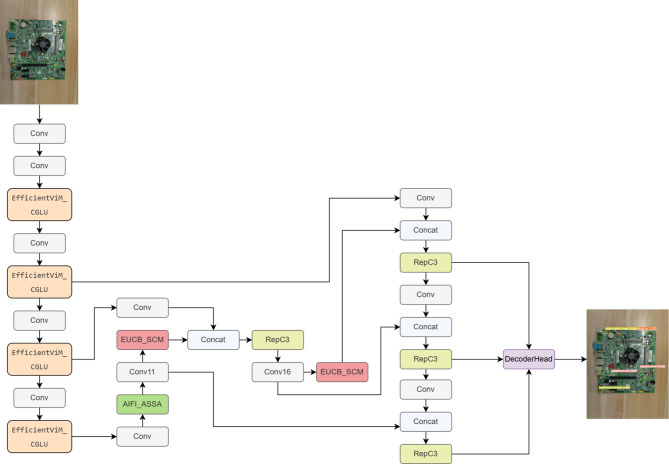
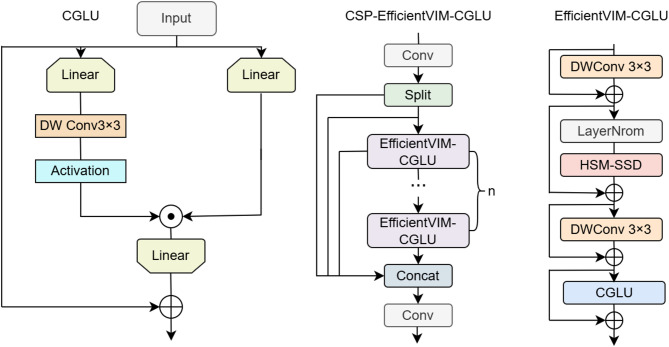
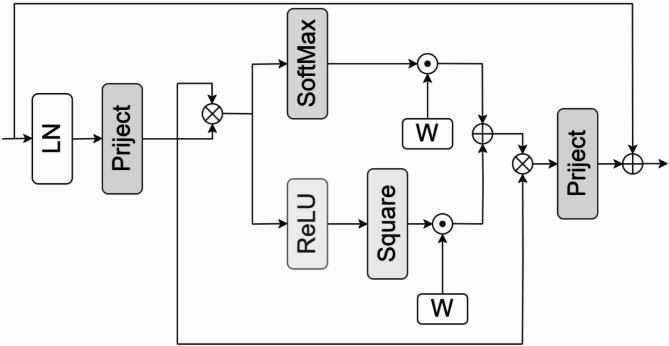
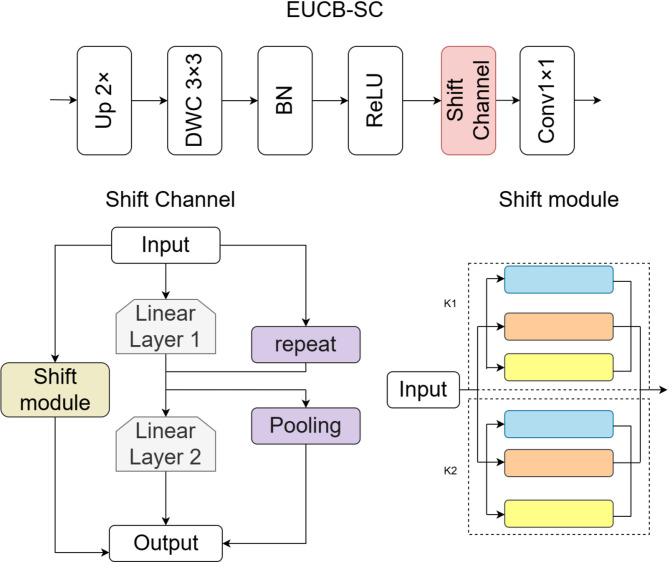
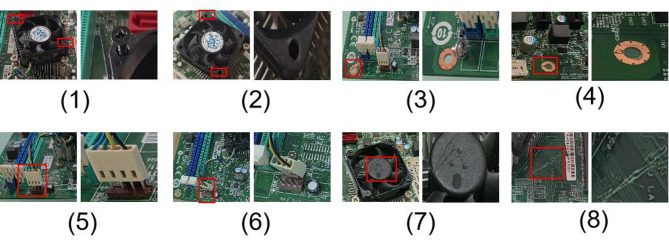
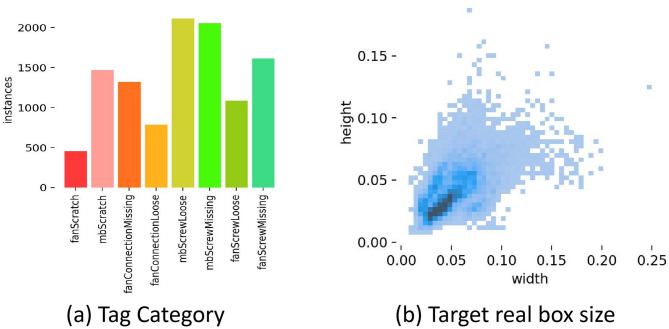
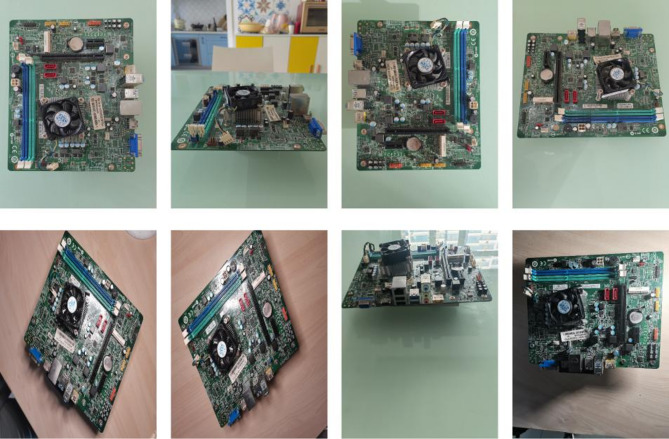
This study addresses the challenges of missed and false detections in server motherboard defect identification, which arise from factors such as small target size, positional rotation deviations, and uneven scale distribution. To tackle these issues, we propose an enhanced detection model, EAE-DETR, which is based on an improved version of RT-DETR. Initially, we developed the CSP-EfficientVIM-CGLU module to enhance feature extraction capabilities while simultaneously reducing the model's parameter count through the implementation of dynamic gated convolution and global context modeling. Subsequently, we introduced the AIFI-ASSA module, designed to mitigate background noise interference and improve sensitivity to minor defects by employing an adaptive sparse self-attention mechanism. Lastly, we constructed the EUCB-SC upsampling module, which integrates depth convolution and channel shuffling strategies to enhance feature reconstruction efficiency. Experimental results on the PCBA-DET dataset indicate that EAE-DETR achieves a mean Average Precision (mAP) of 78.5% at IoU = 0.5 and 32.6% across IoU thresholds of 0.5 to 0.95, surpassing the baseline RT-DETR-R18 by 3.6% and 6.5%, respectively. Furthermore, the model demonstrates a reduction in parameter count by 21.7% and a decrease in computational load by 12.0%. On the PKU-Market-PCB dataset, the mAP50 reached 96.1%, and the mAP50:95 reached 65.1%.This model effectively facilitates high-precision and high-efficiency defect detection for server motherboards in complex industrial environments, thereby offering a robust solution for the intelligent manufacturing sector.
Keywords: Defect detection; Dynamic convolution; Feature fusion; Server motherboard; Sparse attention.
© 2025. The Author(s).
Conflict of interest statement
Declarations. Competing interests: The authors declare no competing interests.
Figures
References
-
- Liu, Z. & Qu, B. Machine vision based online detection of PCB defect. Microprocess. Microsyst.82, 103807 (2021).
-
- Tang, J. et al. PCB-YOLO: an improved detection algorithm of PCB surface defects based on YOLOv5. Sustainability15(7), 5963 (2023).
-
- Zhou, Y. et al. Review of vision-based defect detection research and its perspectives for printed circuit board. J. Manuf. Syst.70, 557–578 (2023).
-
- Jiang, W. et al. PCB defects target detection combining multi-scale and attention mechanism. Eng. Appl. Artif. Intell.123, 106359 (2023).
-
- Chen, M. et al. A comprehensive review of deep learning-based PCB defect detection. IEEE Access.11, 139017–139038 (2023).
Grants and funding
LinkOut - more resources
Full Text Sources
