


Unfavorable management outcome and its predictors among appendicitis patients in ethiopia: a systematic review and meta- analysis
- PMID: 40783541
- PMCID: PMC12335097
- DOI: 10.1186/s12893-025-03108-z
Unfavorable management outcome and its predictors among appendicitis patients in ethiopia: a systematic review and meta- analysis
Abstract
Background: Appendicitis is life-threatening abdominal surgical emergency worldwide, requires timely medical intervention to prevent adverse outcomes such as wound infection, pneumonia, intra-peritoneal fluid collection, and death. These complications remain a significant challenge in Ethiopia. This study aimed to assess the pooled magnitude of unfavorable management outcome and identify associated factors among appendicitis patients in Ethiopia.
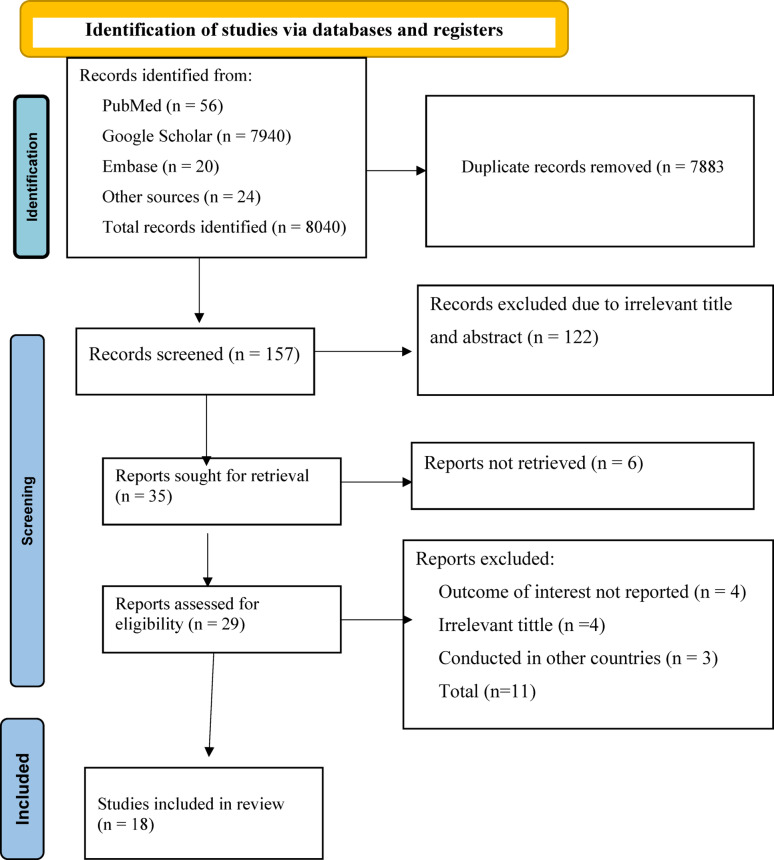
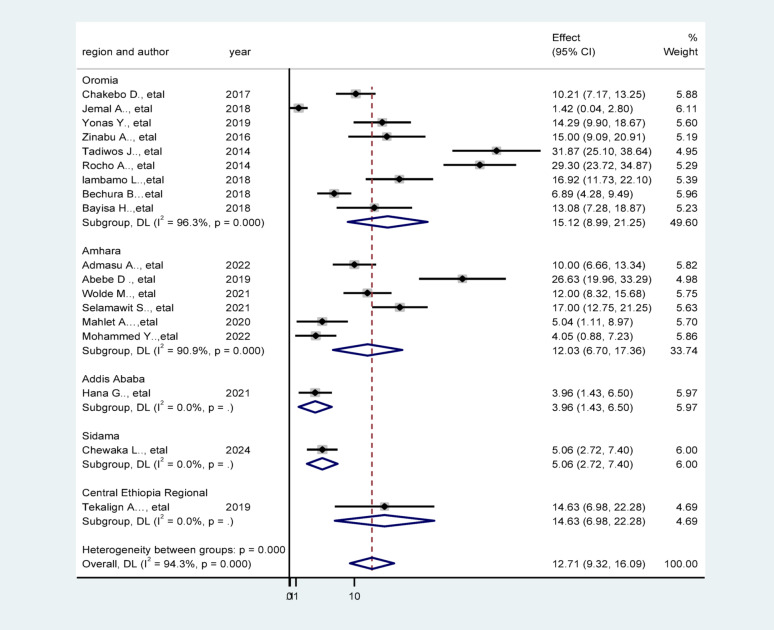
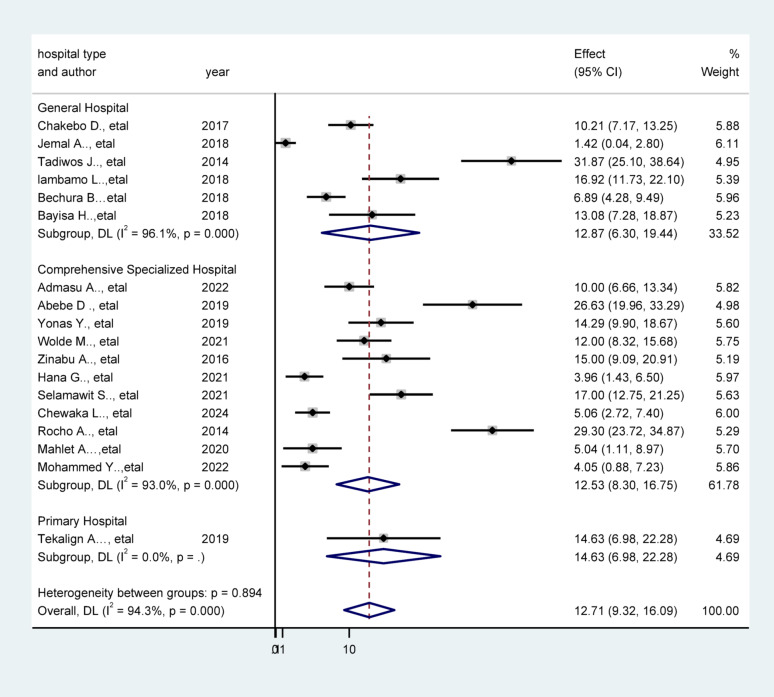
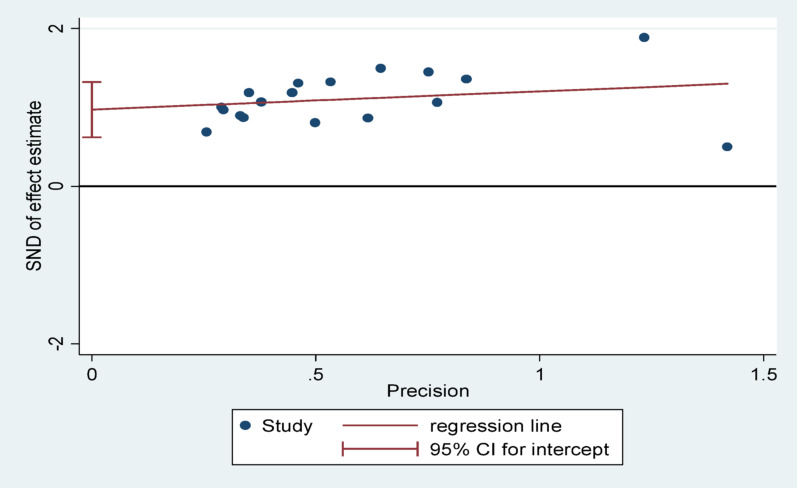
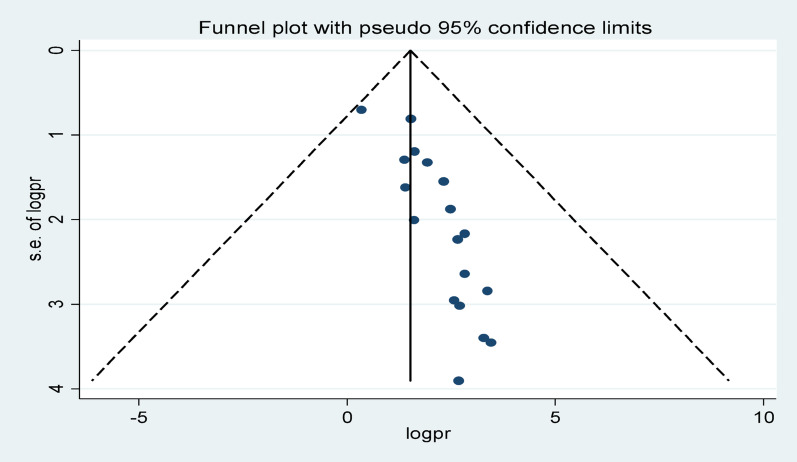
Methods: We conducted a systematic search of databases for studies reporting appendicitis outcomes in Ethiopia. Eligible studies were screened based on predefined criteria. Statistical analyses were performed using STATA version 14. Heterogeneity was assessed with I² and Cochran's Q tests; due to substantial heterogeneity, a random-effects model was applied. Publication bias was evaluated using funnel plots, Egger's test, and the trim-and-fill method. Subgroup analyses explored sources of heterogeneity based on study region and hospital type.
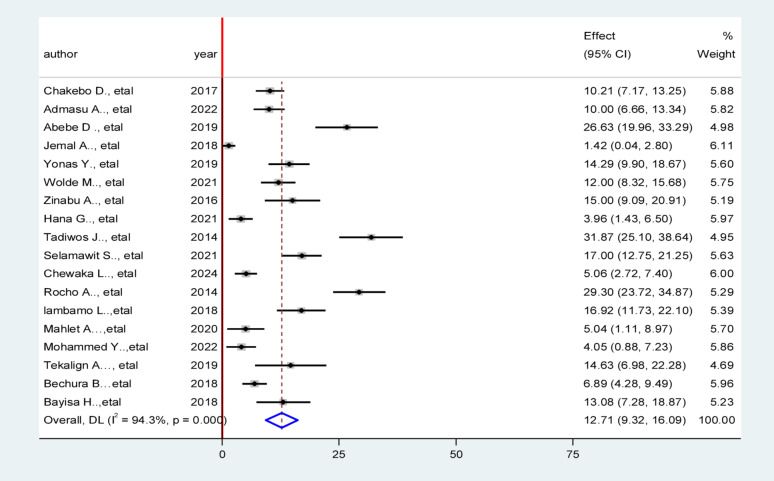
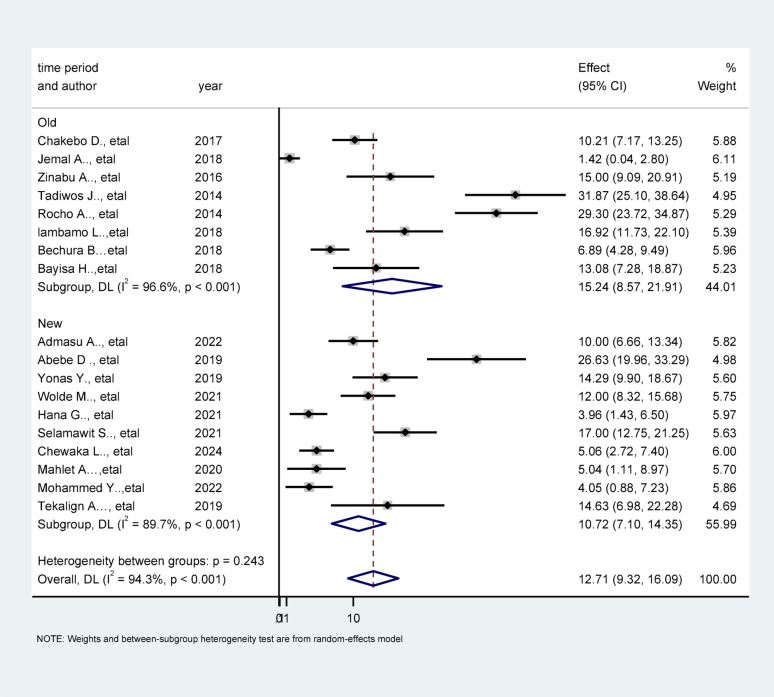
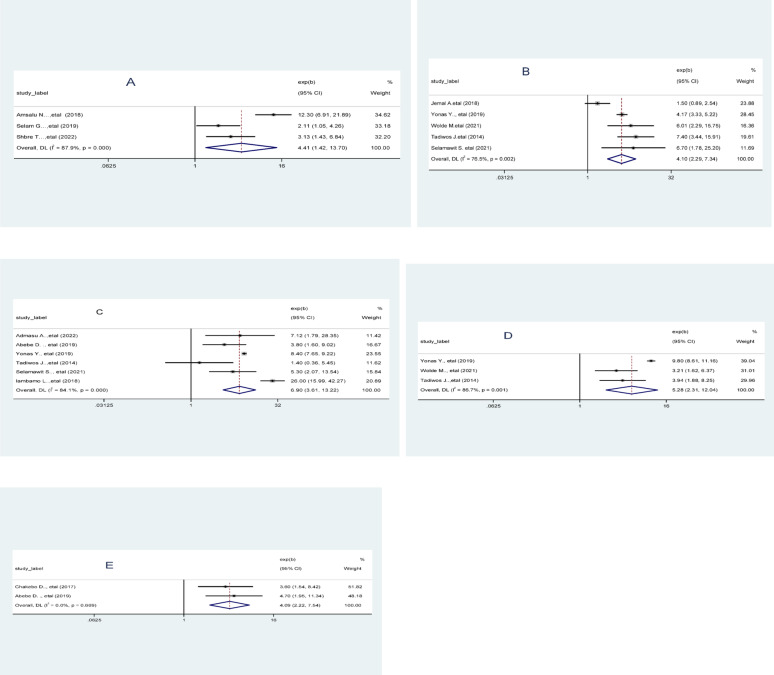
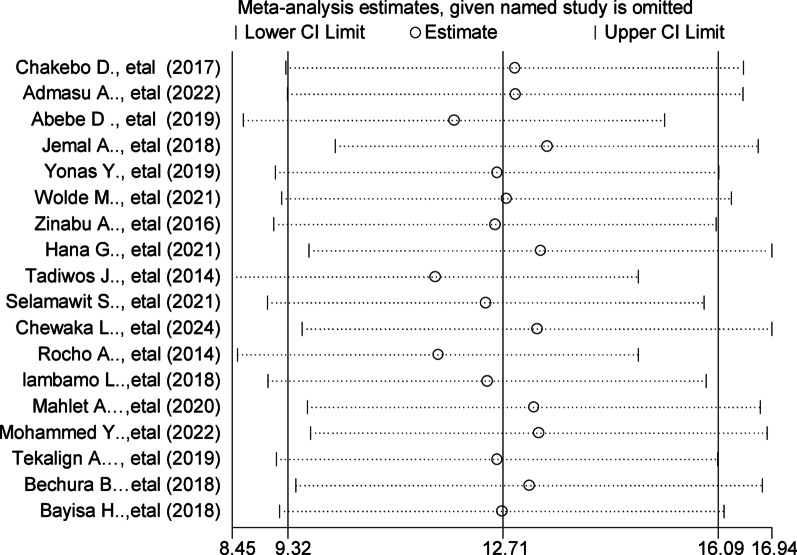
Results: Eighteen studies articles were included. The pooled prevalence of unfavorable management outcome among appendicitis patient was 12.71% (95%CI: 9.32-16.09). Sub-group analysis showed that Oromia region had the highest prevalence of poor management outcome. Duration of illness [AOR = 4.41 (95%CI: 1.42-13.70)], right lower quadrant abdominal mass [AOR = 4.1 (95%CI: 2.29-7.34)], presence of intraoperative abscess [AOR = 6.9 (95% CI: 3.61-13.22)], lengths of postoperative hospital stays [OR = 5.28 (95%CI: 2.31-12.04)], elevated white blood cell count [AOR = 4.09 (95%CI: 2.22-7.54)] were a significant association with unfavorable management outcome of appendicitis.
Conclusion: Unfavorable management outcomes in appendicitis patients in Ethiopia are significantly associated with several clinical factors. Enhancing early diagnosis, prompt surgical intervention, and standardized postoperative care are essential to reduce these adverse outcomes.
Keywords: Appendicitis; Ethiopia; Factors; Management outcome; Unfavorable.
© 2025. The Author(s).
Conflict of interest statement
Declarations. Competing interests: The authors declare no competing interests. Consent to publish: Not applicable. Ethics approval and consent to participate: Not applicable.
Figures
References
-
- Eng KA, Abadeh A, Ligocki C, Lee YK, Moineddin R, Adams-Webber T, et al. Acute appendicitis: A Meta-Analysis of the diagnostic accuracy of US, CT, and MRI as Second-Line imaging tests after an initial US. Radiology. 2018;288(3):717–27. - PubMed
-
- Vaos G, Dimopoulou A, Gkioka E, Zavras N. Immediate surgery or Conservative treatment for complicated acute appendicitis in children? A meta-analysis. J Pediatr Surg. 2019;54(7):1365–71. - PubMed
-
- D’souza N, Nugent K, Appendicitis. Am Family Phys. 2016;93(2):142–3. - PubMed
-
- Khan MS, Chaudhry MBH, Shahzad N, Tariq M, Memon WA, Alvi AR. Risk of appendicitis in patients with incidentally discovered appendicoliths. J Surg Res. 2018;221:84–7. - PubMed
-
- Stringer MD. Acute appendicitis. J Paediatr Child Health. 2017;53(11):1071–6. - PubMed
Publication types
MeSH terms
LinkOut - more resources
Full Text Sources
Medical
