


Systematic Review of Parent-Youth Discrepancies in Exposures to Community Violence
- PMID: 40784981
- PMCID: PMC12634708
- DOI: 10.1007/s10567-025-00532-8
Systematic Review of Parent-Youth Discrepancies in Exposures to Community Violence
Abstract
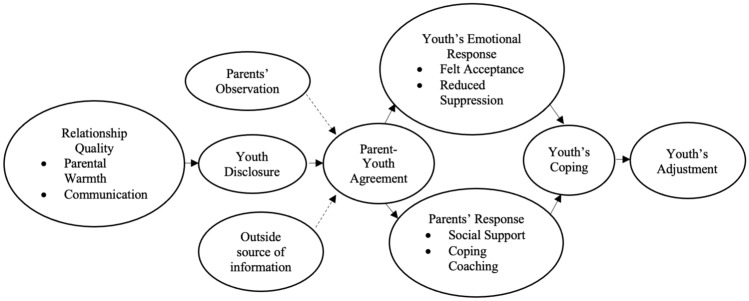
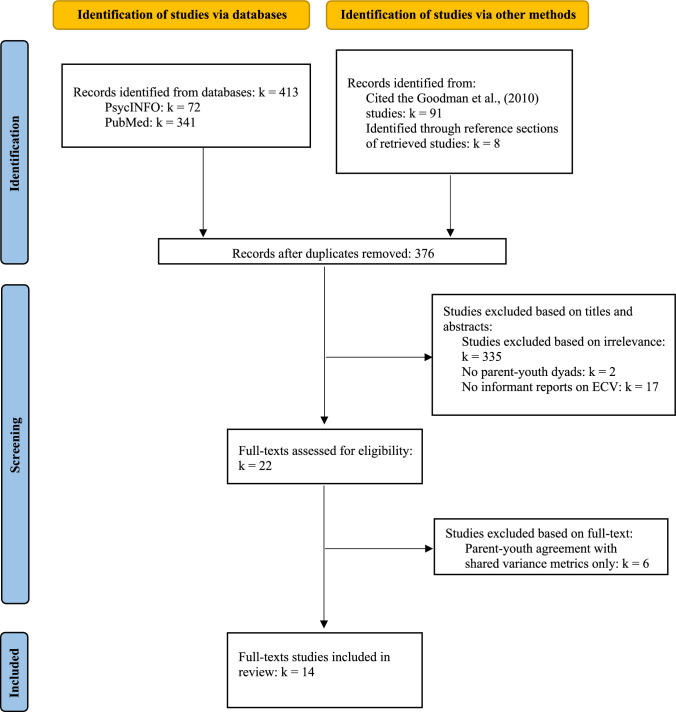
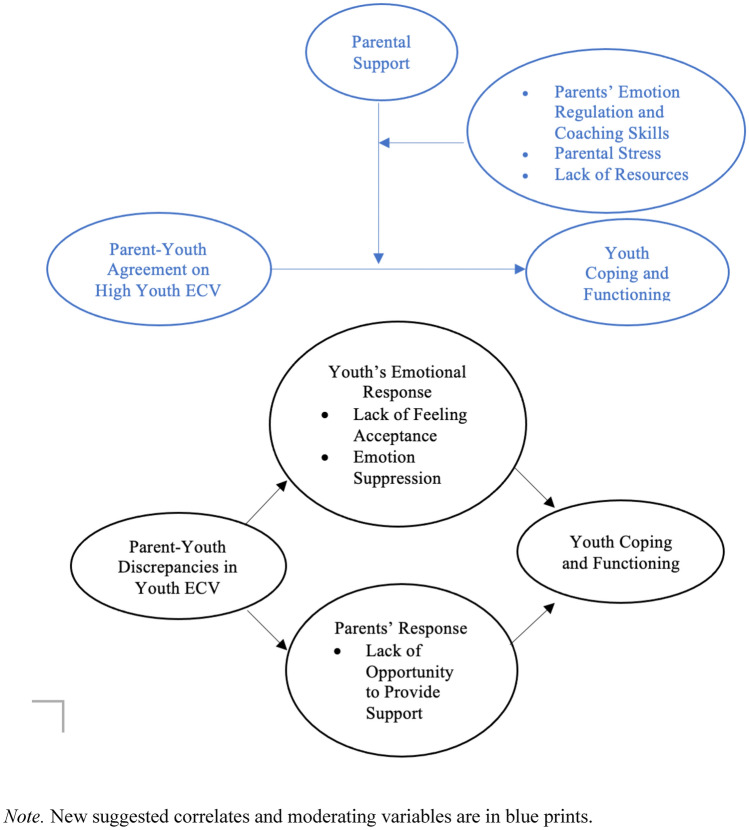
Past studies have consistently found that different informants disagree on ratings of youth's experiences. For instance, parents and youth report different prevalence and frequency ratings of youth's exposure to community violence (ECV), with past studies demonstrating that parents typically underreport youth's ECV compared to the youth. However, recent studies with advanced statistical analyses revealed more nuanced patterns of reports, with some parents overreporting their youth's ECV, some underreporting it, and other parent-youth dyads agreeing that the youth either did or did not experience ECV. These report patterns are theorized to provide valuable insight into parent-child relationships and family functioning and have implications for youth emotional and behavioral development. The current systematic review synthesized 14 existing studies (N = 12,824 parent-youth dyads) on parent-youth discrepancies in youth ECV to elucidate patterns of informant discrepancies and their correlates to parent-youth relationship quality, family functioning, and youth outcomes. Studies that used advanced analytic approaches (k = 2), such as latent class analysis and polynomial regression, identified multiple patterns of parent-youth reports (e.g., parent-youth agreement on either low or high levels of youth ECV, parental underreporting, parental overreporting compared to youth). Poor parent-youth relationship and family functioning (e.g., lower parental warmth, higher parental hostility) were associated with higher parent-youth discrepancies in youth ECV. There were mixed findings with patterns of informant discrepancies in youth ECV and youth functioning. Suggestions for future directions for research on parent-youth discrepancies in youth ECV were made.
Keywords: Exposures to community violence; Informant agreement; Informant discrepancies; Victimization.
© 2025. The Author(s).
Conflict of interest statement
Declarations. Conflict of interest: The authors declare no competing interests.
Figures

References
-
- Alers-Rojas, F., Jocson, R. M., Cranford, J., & Ceballo, R. (2020). Latina mothers’ awareness of their children’s exposure to community violence. Hispanic Journal of Behavioral Sciences, 42(3), 324–343. 10.1177/0739986320927512
-
- Brennan, R. T., Molnar, B. E., & Earls, F. (2007). Refining the measurement of exposure to violence (ETV) in urban youth. Journal of Community Psychology,35(5), 603–618. 10.1002/jcop.20167
-
- Bronfenbrenner, U. (1994). Ecological models of human development. International Encyclopedia of Education,3(2), 37–43.
-
- Buka, S. L., Stichick, T. L., Birdthistle, I., & Earls, F. J. (2001). Youth exposure to violence: Prevalence, risks, and consequences. American Journal of Orthopsychiatry,71(3), 298–310. 10.1037/0002-9432.71.3.298 - PubMed
Publication types
MeSH terms
LinkOut - more resources
Full Text Sources
Miscellaneous
