


Association between radiographic equine distal phalanx characteristics and absence, presence and type of horseshoes
- PMID: 40786980
- PMCID: PMC12333595
- DOI: 10.3389/fvets.2025.1598038
Association between radiographic equine distal phalanx characteristics and absence, presence and type of horseshoes
Erratum in
-
Correction: Association between radiographic equine distal phalanx characteristics and absence, presence and type of horseshoes.Front Vet Sci. 2025 Aug 18;12:1675356. doi: 10.3389/fvets.2025.1675356. eCollection 2025. Front Vet Sci. 2025. PMID: 40901062 Free PMC article.
Abstract
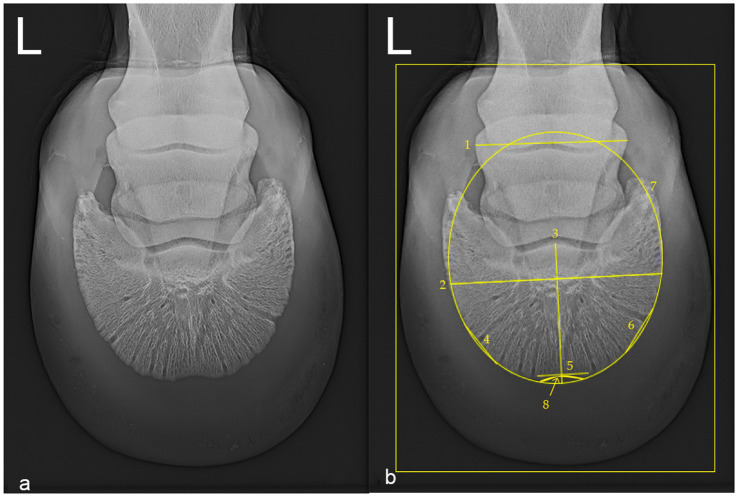
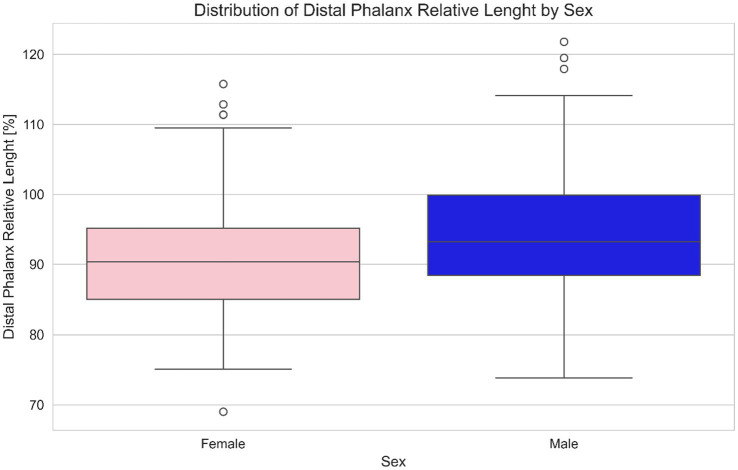
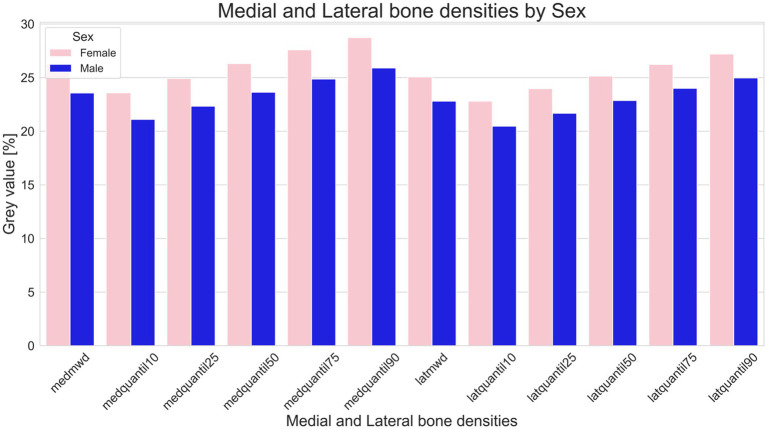
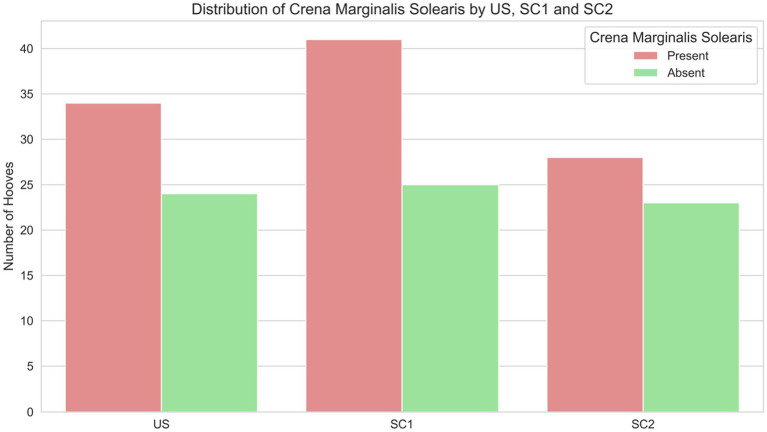
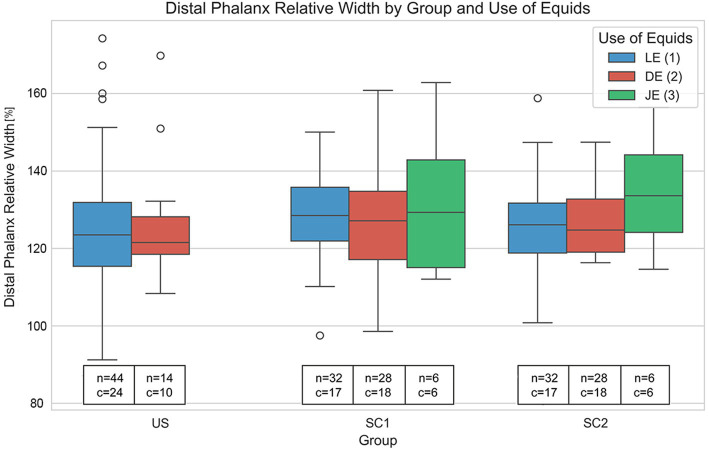
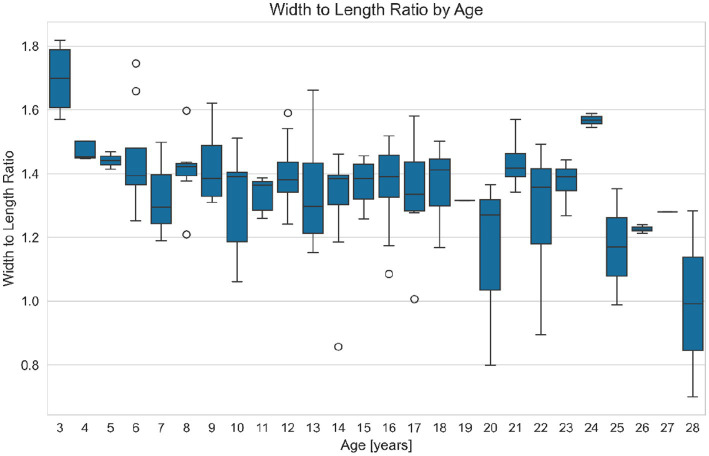
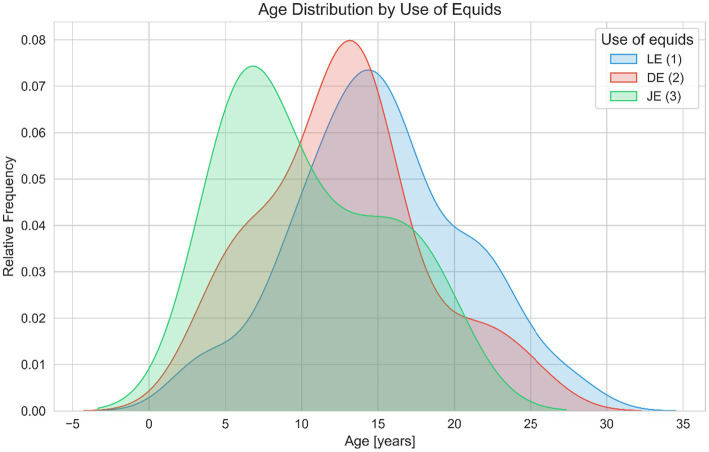
Most horses are used with horseshoes additionally supported by either dorsoabaxial or dorsal clips. The effects of such clips on bone density and shape of the distal phalanx are currently unclear. The aim of this study was to identify correlations between density and shape of the distal phalanx, comparing front hooves unshod or shod with standard shoes either with two dorsoabaxial clips or with a single dorsal clip. Researchers analyzed Oxspring radiographs of either the left or right front hoof from warmblood horses (n = 137) and ponies (n = 43) aged 3-28 years. The evaluation focused on distal phalanx density at the margo solearis, particularly at three locations corresponding to the clip positions: dorsomedial, dorsal, and dorsolateral. The study examined horse related variables such as age, breed, use, and shoeing type in relation to density parameters, presence of a crena marginalis solearis, an anatomical variation that is an indentation dorsal on the margo solearis, and the shape of the distal phalanx. Distal phalanges of hooves shod with dorsoabaxial clips showed a significantly (p < 0.001) lower width to length ratio (median 1.31, minimum 0.70, maximum 1.66) compared to those with a single dorsal clip (median 1.40, minimum 0.89, maximum 1.75). The width to length ratio of unshod hooves (median 1.37, minimum 0.80, maximum 1.82) was not significantly different from both groups of shod hooves. The results of this study should be considered when selecting horseshoes for equids.
Keywords: clips; distal phalanx; horse; horseshoe; radiology.
Copyright © 2025 Ennsmann and Licka.
Conflict of interest statement
The authors declare that the research was conducted in the absence of any commercial or financial relationships that could be construed as a potential conflict of interest.
Figures
References
-
- Andrea E, Floyd RAM. Equine podiatry. Bd. Section V: Farriery considerations Philadelphia PA, London: Elsevier Health Sciences; (2007).
-
- Riedesel EA. Chapter 23 the equine phalanges In: Textbook of veterinary diagnostic radiology-e-book. Elsevier Health Sciences (2012). 429.
LinkOut - more resources
Full Text Sources
