


A Comparative Assessment of Body Shape and Size Index (BSSI), Body Mass Index (BMI), and Body Surface Area (BSA) in Predicting Diabetes Prevalence Among Pakistani Adults
- PMID: 40787597
- PMCID: PMC12335656
- DOI: 10.1177/30495334251361319
A Comparative Assessment of Body Shape and Size Index (BSSI), Body Mass Index (BMI), and Body Surface Area (BSA) in Predicting Diabetes Prevalence Among Pakistani Adults
Abstract
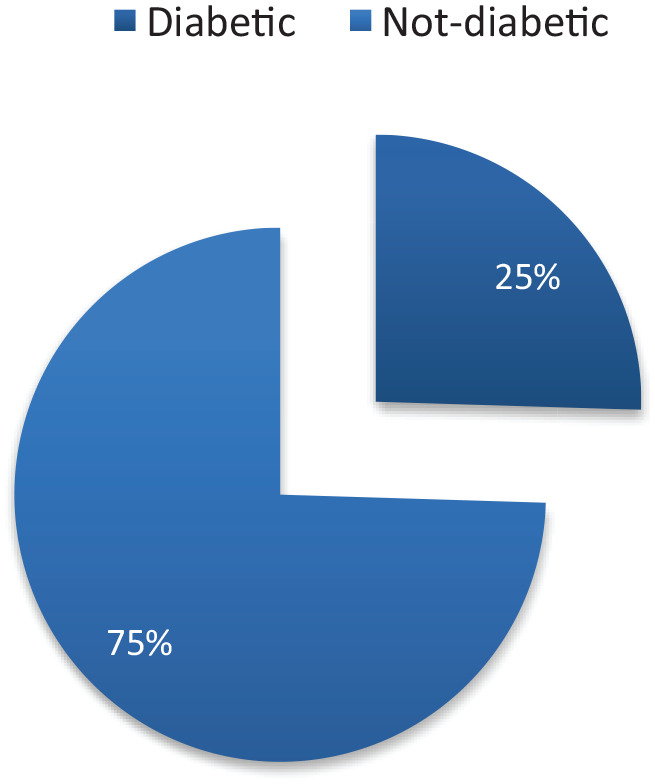
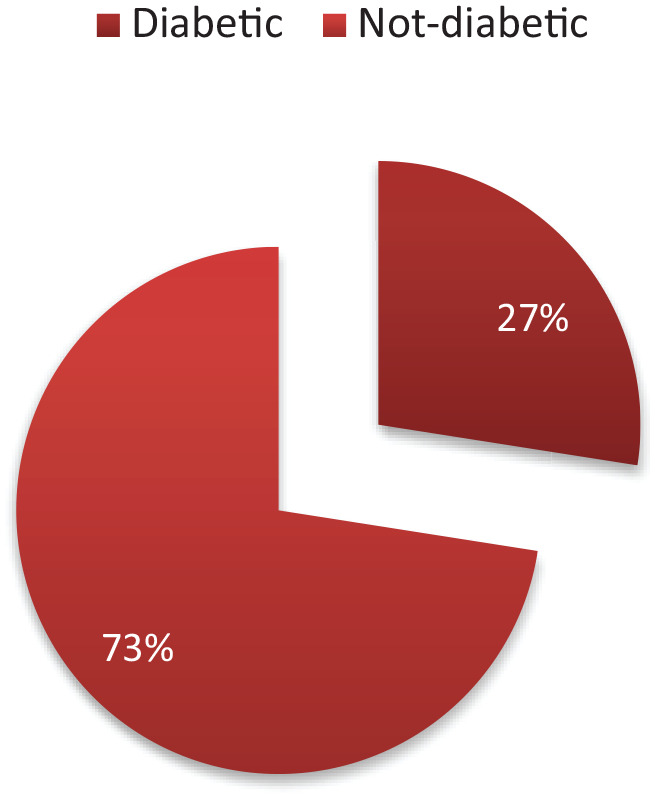
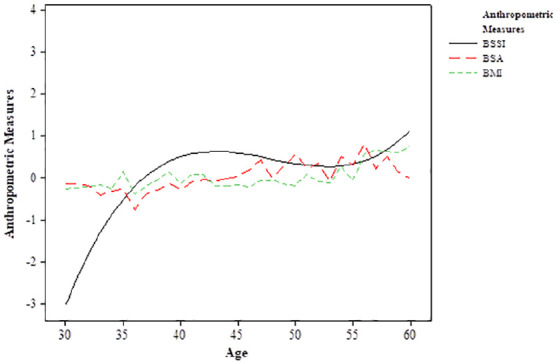
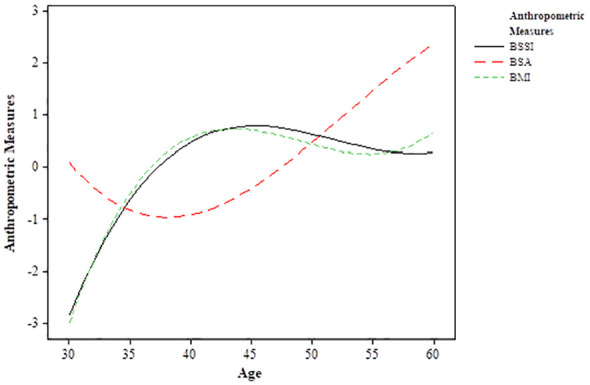
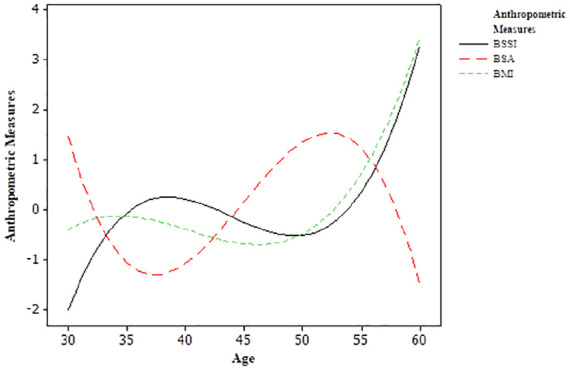
This study evaluates the impact of the recently developed BSSI on diabetic adults in Pakistan. A comparative analysis was conducted between BSSI, body mass index (BMI), and body surface area (BSA) to assess the performance of BSSI and identify ideal measures that can accurately predict the incidence of diabetes in Pakistani adults. The research is based on a cross-sectional dataset collected from 1,928 individuals in Pakistan over 2-years. Pregnant women were excluded from the study, and all participants aged 20 years or older, including both males and females, were included and provided required information. Quantile regression curve analyses were employed to investigate the projecting influence of baseline BSSI, BSA, and BMI on the development of Type-2 diabetes. The findings revealed that during the follow-up period, 511 new cases of Type-2 diabetes emerged. The results suggest that BSSI is the most effective measure for predicting Type-2 diabetes in males, as evidenced by quantile regression curve analyses. In contrast, for women, the predictive abilities of BSSI and BMI are similar and superior to those of BSA. For both sex, BSA was found to be the weakest factor. Notably, BSSI and BMI emerged as the best predictors of Type-2 diabetes, while BSA was identified as the weakest measure for assessing diabetes in adults.
Keywords: body mass index; body shape and size index; body surface area; diabetes; integrated obesity measures; quantile regression.
© The Author(s) 2025.
Conflict of interest statement
The author(s) declared no potential conflicts of interest with respect to the research, authorship, and/or publication of this article.
Figures
Similar articles
-
[Association between obesity and the risk of microvascular complications in Yinzhou District, Ningbo adults with type 2 diabetes mellitus].Wei Sheng Yan Jiu. 2025 Jul;54(4):608-620. doi: 10.19813/j.cnki.weishengyanjiu.2025.04.012. Wei Sheng Yan Jiu. 2025. PMID: 40695761 Chinese.
-
Sexual Harassment and Prevention Training.2024 Mar 29. In: StatPearls [Internet]. Treasure Island (FL): StatPearls Publishing; 2025 Jan–. 2024 Mar 29. In: StatPearls [Internet]. Treasure Island (FL): StatPearls Publishing; 2025 Jan–. PMID: 36508513 Free Books & Documents.
-
TyG-BMI as a predictor of ischemic stroke over 10 years in middle-aged and older adults: findings from the China cardiometabolic disease and cancer cohort (4C) study.Front Neurol. 2025 Jul 2;16:1609853. doi: 10.3389/fneur.2025.1609853. eCollection 2025. Front Neurol. 2025. PMID: 40672456 Free PMC article.
-
Home treatment for mental health problems: a systematic review.Health Technol Assess. 2001;5(15):1-139. doi: 10.3310/hta5150. Health Technol Assess. 2001. PMID: 11532236
-
The use of measures of obesity in childhood for predicting obesity and the development of obesity-related diseases in adulthood: a systematic review and meta-analysis.Health Technol Assess. 2015 Jun;19(43):1-336. doi: 10.3310/hta19430. Health Technol Assess. 2015. PMID: 26108433 Free PMC article.
References
-
- Adeva-Andany M. M., Domínguez-Montero A., Adeva-Contreras L., Fernández-Fernández C., Carneiro-Freire N., González-Lucán M. (2024). Body fat distribution contributes to defining the relationship between insulin resistance and obesity in human diseases. Current Diabetes Reviews, 20(5), 66–96. - PubMed
-
- Andreoli A., Garaci F., Cafarelli F. P., Guglielmi G. (2016). Body composition in clinical practice. European Journal of Radiology, 85(8), 1461–1468. - PubMed
LinkOut - more resources
Full Text Sources