


Artificial Intelligence in Health Promotion and Disease Reduction: Rapid Review
- PMID: 40788006
- PMCID: PMC12337235
- DOI: 10.2196/70381
Artificial Intelligence in Health Promotion and Disease Reduction: Rapid Review
Abstract
Background: Chronic diseases represent a significant global burden of mortality, exacerbated by behavioral risk factors. Artificial intelligence (AI) has transformed health promotion and disease reduction through improved early detection, encouraging healthy lifestyle modifications, and mitigating the economic strain on health systems.
Objective: The aim of this study is to investigate how AI contributes to health promotion and disease reduction among Organization for Economic Co-operation and Development countries.
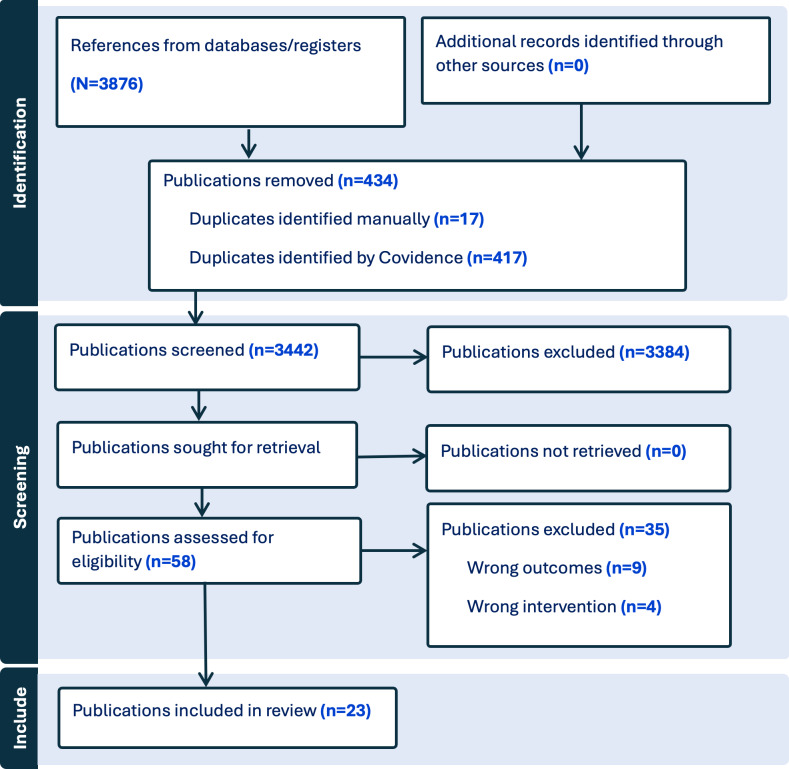
Methods: We conducted a rapid review of the literature to identify the latest evidence on how AI is used in health promotion and disease reduction. We applied comprehensive search strategies formulated for MEDLINE (OVID) and CINAHL to locate studies published between 2019 and 2024. A pair of reviewers independently applied the inclusion and exclusion criteria to screen the titles and abstracts, assess the full texts, and extract the data. We synthesized extracted data from the study characteristics, intervention characteristics, and intervention purpose using structured narrative summaries of main themes, giving a portrait of the current scope of available AI initiatives used in promoting healthy activities and preventing disease.
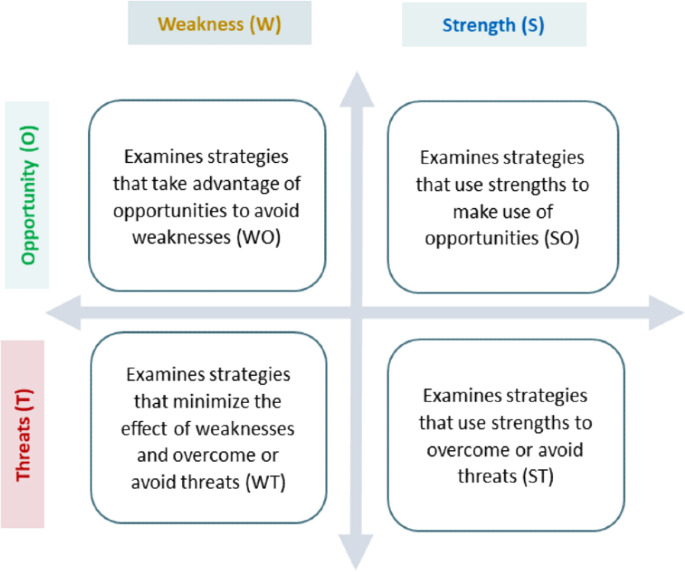
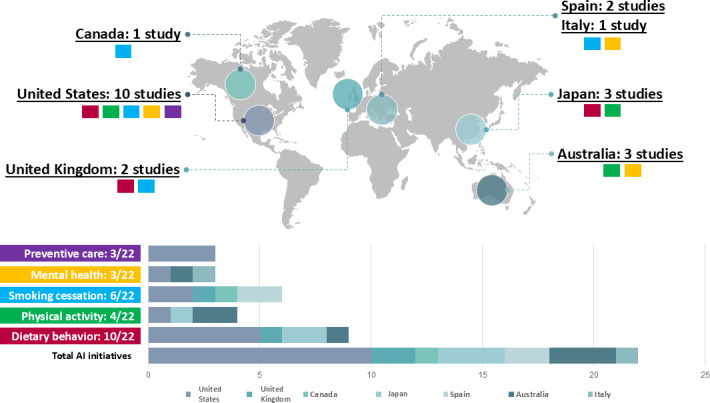
Results: We included 22 studies in this review (out of 3442 publications screened), most of which were conducted in the United States (10/22, 45%) and focused on health promotion by targeting lifestyle dimensions, such as dietary behavior (10/22, 45%), smoking cessation (6/22, 27%), physical activity (4/22, 18%), and mental health (3/22, 14%). Three studies targeted disease reduction related to metabolic health (eg, obesity, diabetes, hypertension). Most AI initiatives were AI-powered mobile apps. Overall, positive results were reported for process outcomes (eg, acceptability, engagement), cognitive and behavioral outcomes (eg, confidence, step count), and health outcomes (eg, glycemia, blood pressure). We categorized the challenges, benefits, and suggestions identified in the studies using a Strengths, Weaknesses, Opportunities, and Threats analysis to inform future developments. Key recommendations include conducting further investigations, taking into account the needs of end users, improving the technical aspect of the technology, and allocating resources.
Conclusions: These findings offer critical insights into the effective implementation of AI for health promotion and disease prevention, potentially guiding policymakers and health care practitioners in optimizing the use of AI technologies in supporting health promotion and disease reduction.
Keywords: AI in health; SWOT analysis; artificial intelligence; disease reduction; health promotion; rapid review.
© Farzaneh Yousefi, Florian Naye, Steven Ouellet, Achille-Roghemrazangba Yameogo, Maxime Sasseville, Frédéric Bergeron, Marianne Ozkan, Martin Cousineau, Samira Amil, Caroline Rhéaume, Marie-Pierre Gagnon. Originally published in the Journal of Medical Internet Research (https://www.jmir.org).
Conflict of interest statement
Figures
References
-
- Noncommunicable diseases. World Health Organization. 2023. [27-07-2025]. https://www.who.int/news-room/fact-sheets/detail/noncommunicable-diseases URL. Accessed.
-
- Ping C. Discussion on the intervention effect of individualized community chronic disease management. Medicine and Health Care. 2018;12(2):284.
Publication types
MeSH terms
LinkOut - more resources
Full Text Sources
