


ELABELA targets the MEK/ERK axis to enhance trophoblast invasion in early-onset preeclampsia
- PMID: 40789940
- PMCID: PMC12340126
- DOI: 10.1038/s41598-025-15533-4
ELABELA targets the MEK/ERK axis to enhance trophoblast invasion in early-onset preeclampsia
Abstract
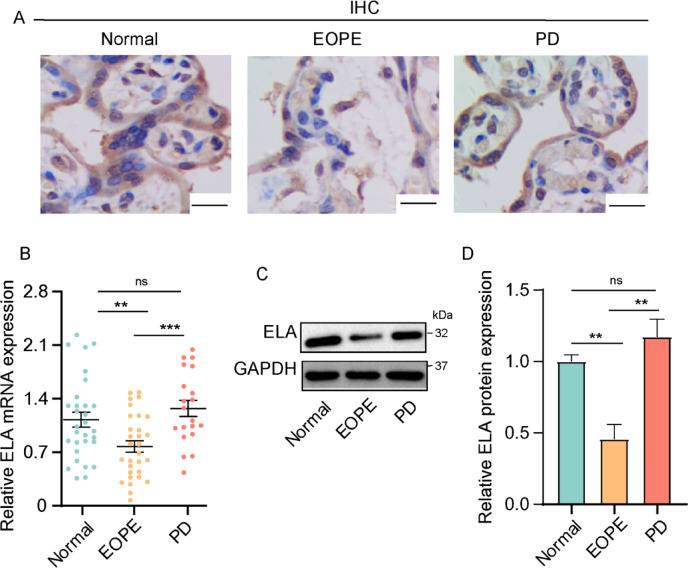
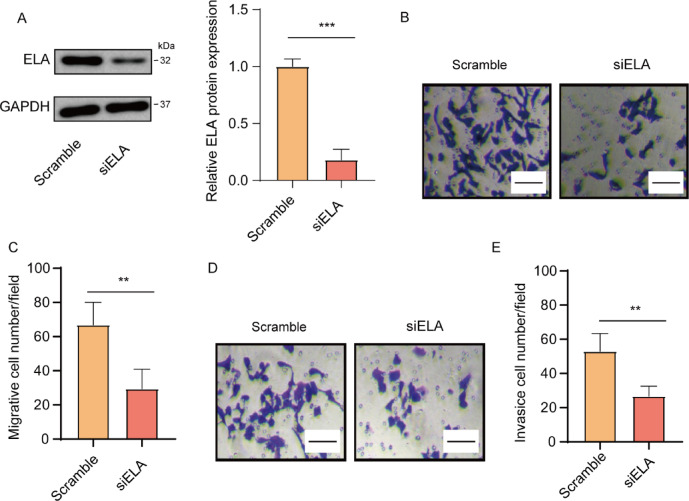
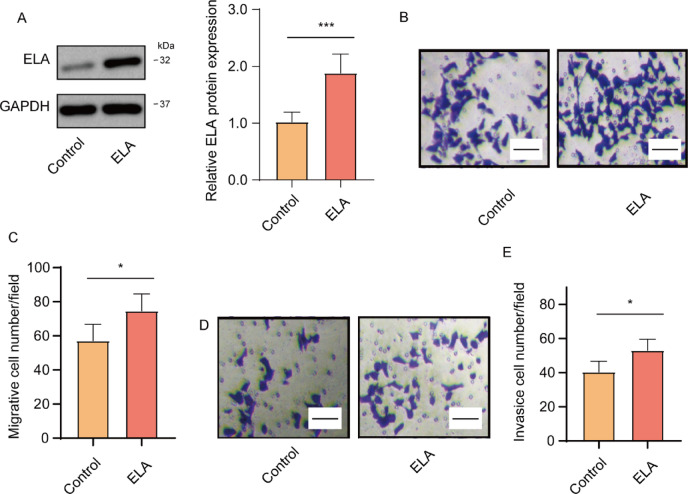
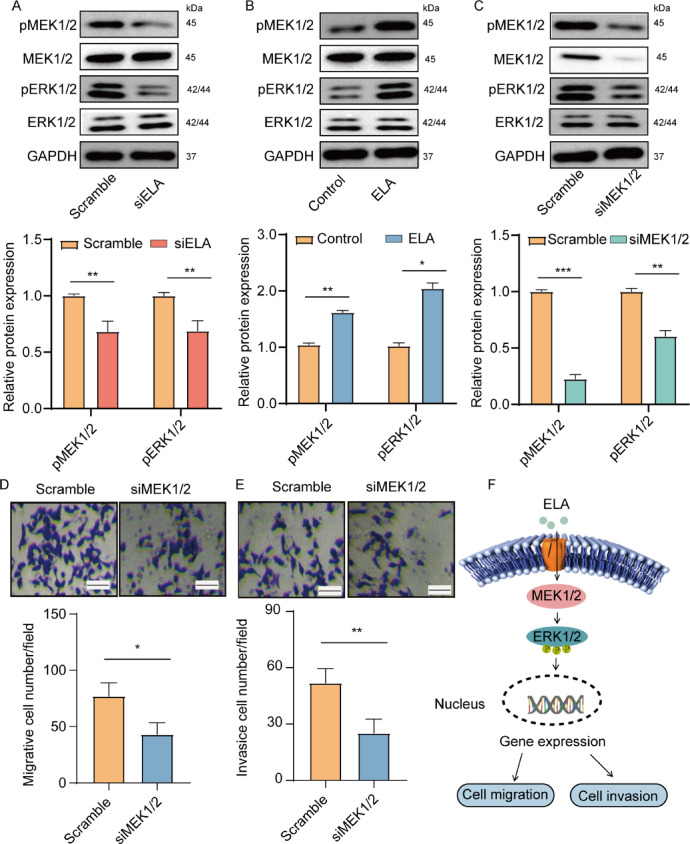
The study aimed to investigate the role of ELABELA (ELA) in early-onset preeclampsia (EOPE), a condition characterized by dysregulated trophoblast invasivity leading to inadequate remodeling of uterine spiral arteries and shallow placental implantation. Using immunohistochemical staining, quantitative PCR (qPCR), and Western immunoblotting, placental ELA levels were evaluated in tissue samples. The invasive and migratory potential of trophoblastic cells in vitro was assessed using a Transwell system. Additionally, key kinases associated with the MEK (Mitogen-activated protein kinase kinase)/ERK (Extracellular-regulated protein kinases) signaling pathway in trophoblasts were examined through Western immunoblotting. The findings revealed that ELA was present in both cytotrophoblasts and syncytiotrophoblasts of the placenta. There were no significant differences in ELA mRNA or protein levels between normal pregnancies and preterm births; however, ELA levels were significantly lower in the EOPE group compared to the normal pregnancy group. Silencing of ELA in HTR-8/SVneo trophoblastic cells notably impaired their invasive and migratory abilities, accompanied by reduced levels of key kinases linked to the MEK/ERK pathway. Conversely, overexpression of ELA enhanced these cellular functions. The repression of MEK also inhibited HTR-8/SVneo cell migration and invasion while decreasing related kinase levels. The study concluded that ELA plays a critical role in promoting trophoblastic cell migration and invasion through the activation of the MEK/ERK signaling pathway. The observed decrease in ELA levels in EOPE suggests its potential involvement in the pathogenesis of this condition. These findings underscore the potential for novel therapeutic strategies targeting ELA and the MEK/ERK signaling pathway to address early-onset preeclampsia, a condition with significant maternal and fetal health implications. Further research into ELA's mechanisms and its regulatory pathways may offer insights for effective interventions.
Keywords: ERK; Invasion; MEK; Placenta; Preeclampsia.
© 2025. The Author(s).
Conflict of interest statement
Declarations. Competing interests: The authors declare no competing interests. Research involving human participants and/or animals: The study was conducted in accordance with the Declaration of Helsinki, and approved by the Institutional Review Board of Ethics Committee of Qingdao Municipal Hospital (2024-KY-018). Informed consent: Informed consent Informed consent was signed by all pregnant women.
Figures
References
MeSH terms
Substances
Grants and funding
LinkOut - more resources
Full Text Sources
Miscellaneous
