


Educating and Preparing Families and Distracting Patients for Cast/Splint Applications
- PMID: 40791973
- PMCID: PMC12337210
- DOI: 10.1016/j.jposna.2025.100243
Educating and Preparing Families and Distracting Patients for Cast/Splint Applications
Abstract
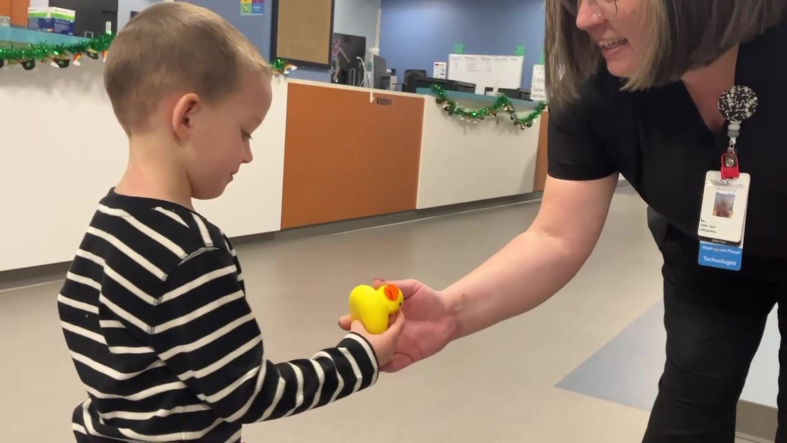
The casting process can produce anxiety and sometimes discomfort for both patients and caregivers. Proper preparation and education are essential for a successful casting experience. The teaching process should begin as early as possible before cast placement. Strategies to enhance the patient experience include pain management, environmental controls, and distraction techniques. Tailoring the experience to the child's developmental stage is crucial. By implementing these strategies, healthcare professionals can enhance the experience for patients and caregivers, making the process more efficient and less traumatic for everyone involved. The purpose of this chapter is to detail evidence-based strategies, along with insights and challenges from pediatric orthopaedic experts, in preparing patients and caregivers for cast and splint immobilization.
Key concepts: (1)Successful pediatric orthopaedic cast and splint application relies on clear, compassionate communication and education for patients and caregivers.(2)When preparing patients and families for the casting and splinting process, the approach should be customized to the child's age and developmental stage.(3)Adequate pain management, environmental controls, and distraction techniques can be helpful in alleviating discomfort and anxiety during the placement and removal of casts and splints.(4)The placement of the cast marks the beginning of a typically much longer process, making proper preparation and education vital for a successful casting or splinting outcome.
Keywords: Cast; Immobilization; Pediatric fracture; Splint.
© 2025 The Author(s).
Conflict of interest statement
The authors declare that they have no known competing financial interests or personal relationships that could have appeared to influence the work reported in this paper.
Figures


References
Publication types
LinkOut - more resources
Full Text Sources
Miscellaneous
