


Resynthesis of synthetic biology techniques: combining engineered bacteria with other antitumour therapies
- PMID: 40792261
- PMCID: PMC12336869
- DOI: 10.3389/fmicb.2025.1545334
Resynthesis of synthetic biology techniques: combining engineered bacteria with other antitumour therapies
Abstract
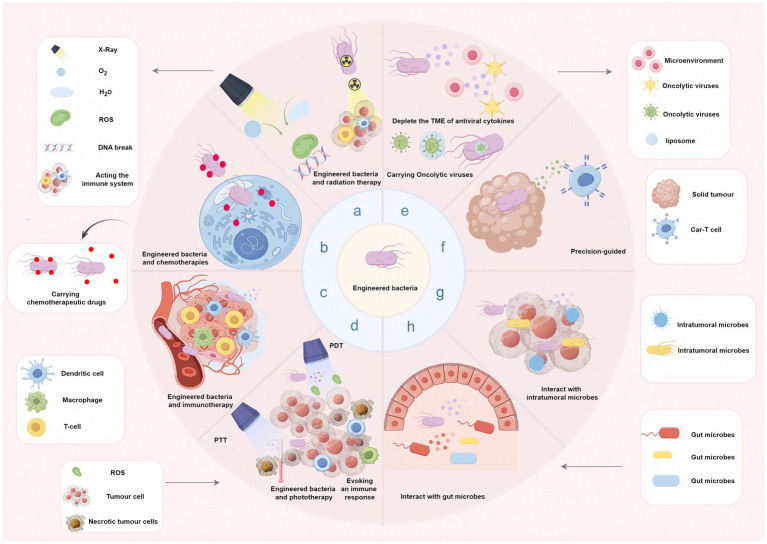
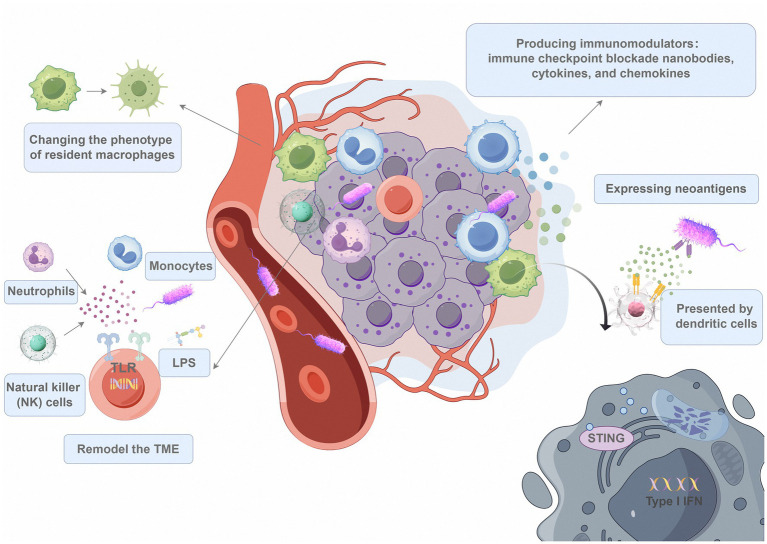
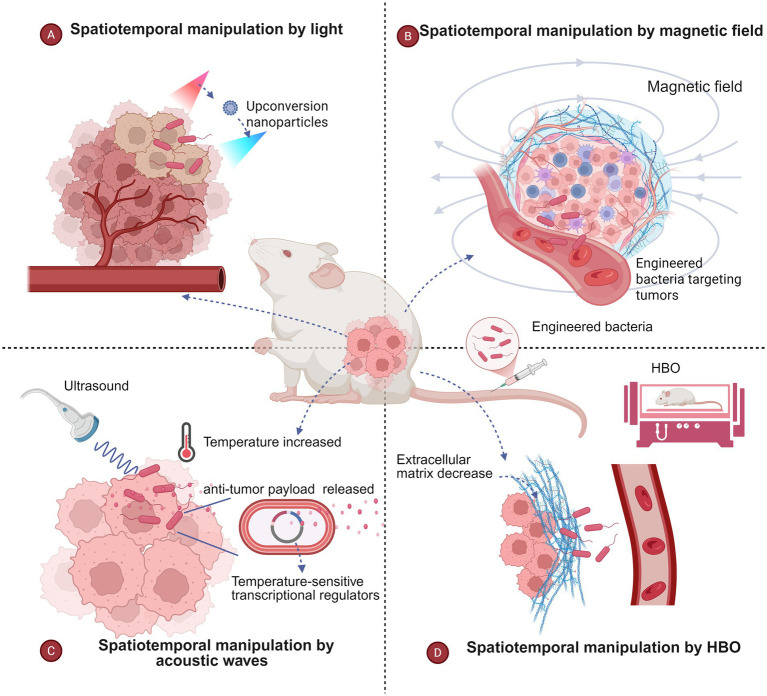
Worldwide cancer mortality rates underscore the pressing need to identify and develop novel anticancer therapies to supplement traditional cancer treatments. Naturally occurring bacteria are ideal for cancer therapy owing to their autonomous propulsion and hypoxia-targeting properties, but their poor tumour targeting ability and weak tumour penetration limit their use. Bacteria can be modified by bioengineering and nanotechnology methods to improve their physiological activity and therapeutic effect. Furthermore, engineering allows for refined spatiotemporal control, precise functional recombination, and direct genetic reprogramming. These engineered bacteria can produce synergistic anticancer effects upon coadministration with anticancer drug-containing nanomaterials or other therapeutic payloads. In this paper, the use of engineered bacteria combined with other antitumour therapies, such as radiotherapy (RT), chemotherapy, immunotherapy, light therapy and life technology, is reviewed to aid in improving antitumour therapy efficacy. In addition, we provide an overview of the current state of spatiotemporally regulated bacterial gene expression and drug release, discuss the drawbacks and difficulties of employing engineered bacteria for tumour therapy, and explore potential research avenues on the basis of current advancements.
Keywords: antitumour therapy; engineered bacteria; spatiotemporal manipulation; synthetic biology; therapeutic effect.
Copyright © 2025 Chang, Liu, Wang, Ma, Liang and Li.
Conflict of interest statement
The authors declare that the research was conducted in the absence of any commercial or financial relationships that could be construed as a potential conflict of interest.
Figures
References
Publication types
LinkOut - more resources
Full Text Sources
