


Deep learning-based radiolabelled compound-protein interaction prediction for NDUFS1-targeting radiopharmaceutical discovery
- PMID: 40794258
- PMCID: PMC12343451
- DOI: 10.1186/s13550-025-01300-z
Deep learning-based radiolabelled compound-protein interaction prediction for NDUFS1-targeting radiopharmaceutical discovery
Abstract
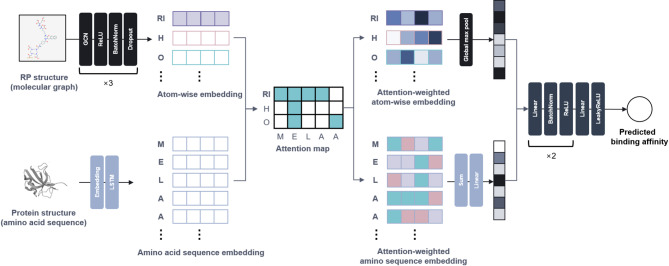
Background: NDUFS1 is the largest subunit of OXPHOS complex I (MC-I) and mutations in this gene are associated with MC-I deficiency. This study aims to develop a graph neural network and attention mechanism-based radiopharmaceutical-protein (RP-protein) interaction prediction model for identifying an imaging candidate of mitochondrial function through targeting its core subunit NDUFS1.
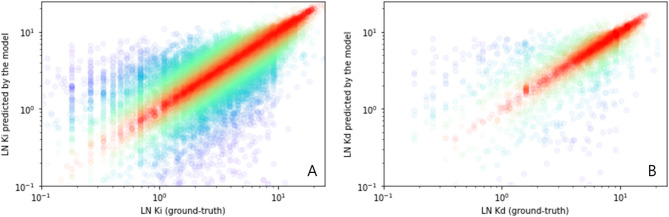
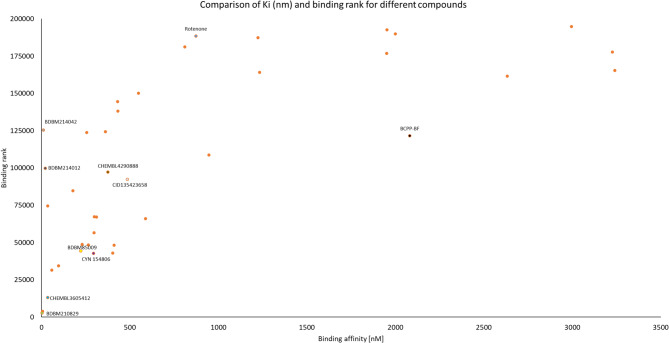
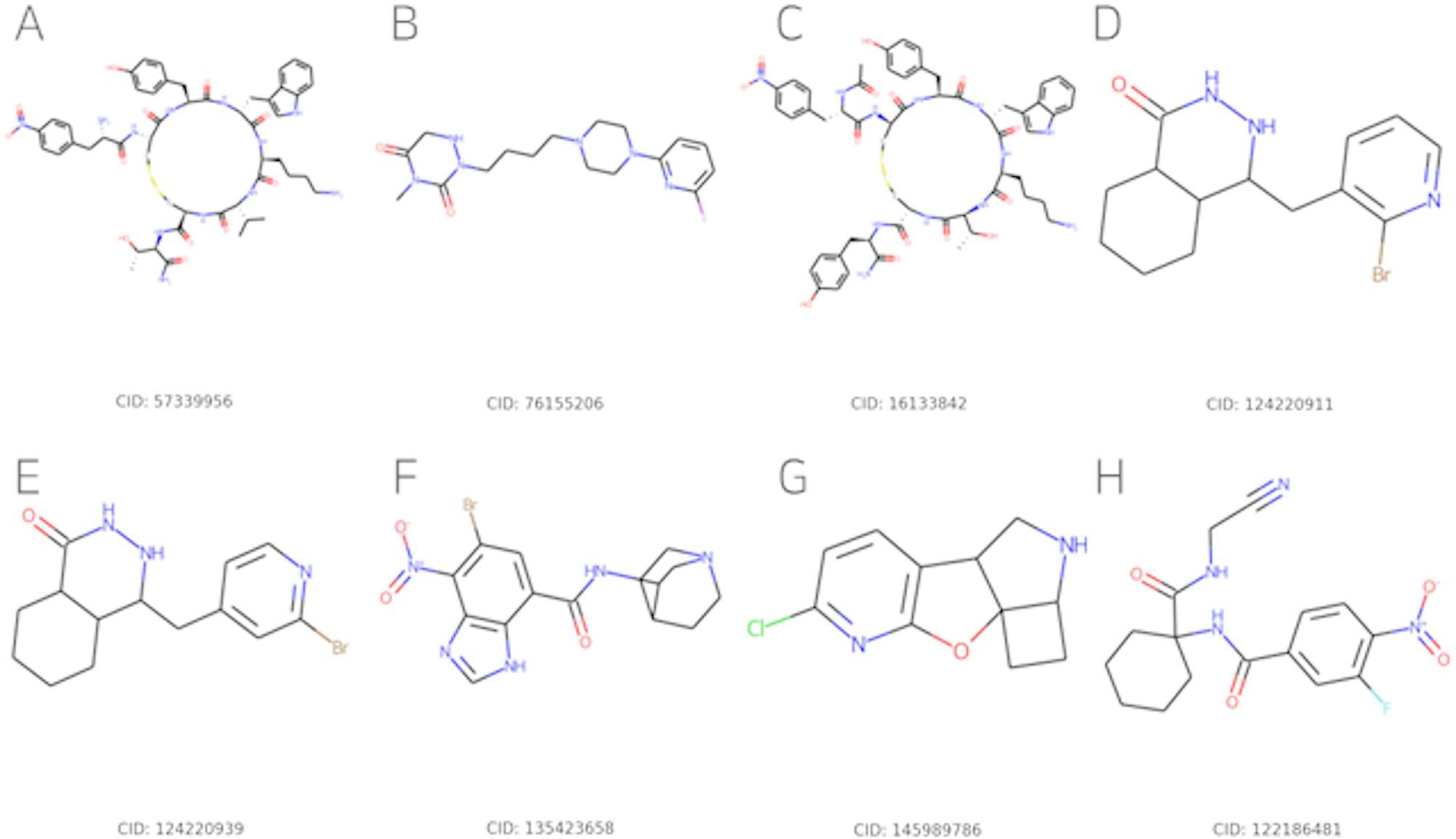
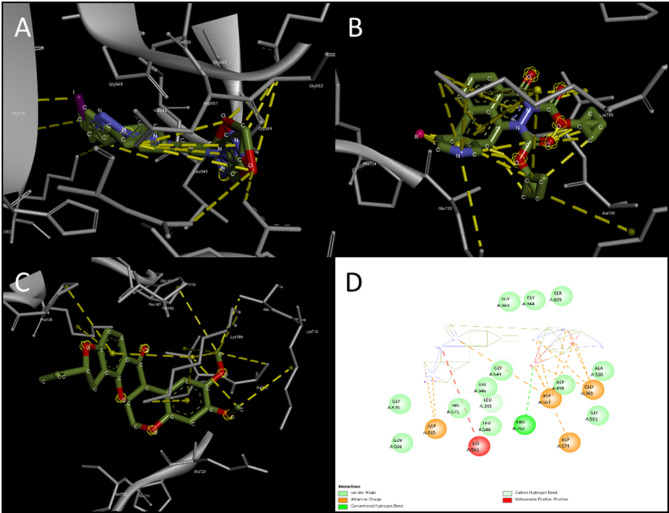
Results: The estimated cell viability values for trastuzumab, 177Lu-DOTA-trastuzumab, and 225Ac-DOTA-trastuzumab were 290.1, 89.01, and 8.262 nM, respectively. The deep learning (DL) model was pretrained with normal compound-protein pairs. Afterwards, the model was fine-tuned with the dataset of RP-protein pairs and evaluated with five-fold cross validation. The prediction model trained with normal compound-protein pairs effectively predicted the binding affinity. The fine-tuned model incorporating radioactive properties outperformed the same model trained only on normal compounds. The model estimated the important substructure of a compound related to its binding to the target protein. NDUFS1 protein-targeting compounds were identified and BDBM210829 compound had the best binding affinities, binding rank, and LogP as it binds to the NDUFS1.
Conclusions: This study proposed a DL-based radiolabelled compound-protein interaction prediction model to identify a radiopharmaceutical (RP) that binds to the mitochondrial core subunit NDUFS1. The proposed model shows good performance for predicting RP-protein interaction. BDBM210829 was identified as a top candidate for radiolabeling and targeting the mitochondrial core subunit NDUFS1. This model can be used as an effective virtual screening tool for RP discovery.
Supplementary Information: The online version contains supplementary material available at 10.1186/s13550-025-01300-z.
Keywords: Binding affinity; Compound protein interaction; Graph neural network; Mitochondria; NDUFS1; Radiopharmaceutical discovery.
Conflict of interest statement
Declarations. Ethics approval and consent to participate: The study was approved by the Institutional Review Board of KIRAMS (IRB No.: 2022-09-006-002). All methods were performed in accordance with the relevant guidelines and regulations. Consent for publication: Informed consent was obtained from all participants involved in the study. Competing interests: The authors have declared that no competing interest exists. Clinical trial number: Not applicable.
Figures
References
-
- Chhikara BS, Parang K. Global cancer statistics 2022: the trends projection analysis. Chem Biol Lett. 2023;10(1):451.
-
- Whitaker-Menezes D, Martinez-Outschoorn UE, Flomenberg N, Birbe RC, Witkiewicz AK, Howell A, et al. Hyperactivation of oxidative mitochondrial metabolism in epithelial cancer cells in situ: visualizing the therapeutic effects of Metformin in tumor tissue. Cell Cycle. 2011;10(23):4047–64. 10.4161/cc.10.23.18151. - DOI - PMC - PubMed
Grants and funding
LinkOut - more resources
Full Text Sources
Miscellaneous
