


Behind the Decision: Exploring Motivations, and Psychological and Sexual Outcomes of Labiaplasty
- PMID: 40799466
- PMCID: PMC12342122
- DOI: 10.1097/GOX.0000000000007051
Behind the Decision: Exploring Motivations, and Psychological and Sexual Outcomes of Labiaplasty
Abstract
Background: Labiaplasty has rapidly gained popularity among women in recent years. However, limited studies are available discussing the motivations influencing their decisions to undergo the procedure and its implications for psychological and sexual satisfaction. This systematic review was conducted to identify the primary motivations for labiaplasty and its effects on patients' psychological aspects and intimate relationships.
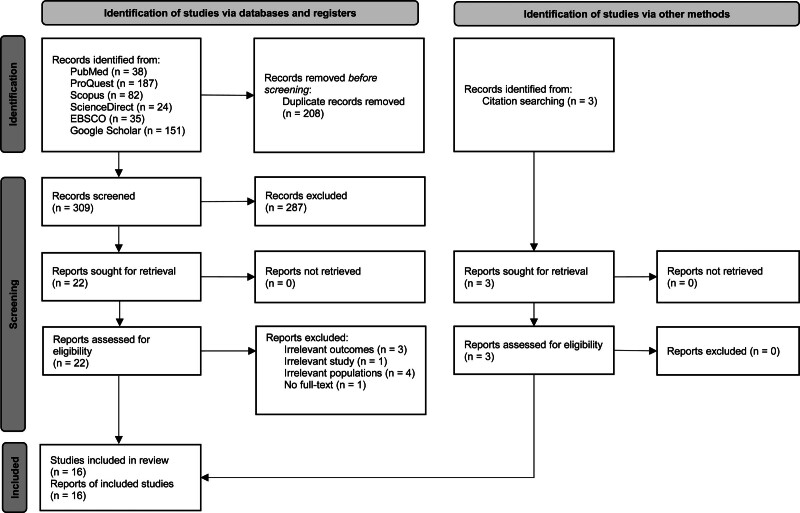
Methods: This systematic review was conducted by searching 6 online databases with related keywords. Cohort, cross-sectional studies, clinical trials, and case series that reported patients who underwent labiaplasty in adulthood were included. We excluded studies that had subjects with other operations on the genital area.
Results: Sixteen eligible studies involving a total of 1143 participants were analyzed. Among women seeking labiaplasty, functional complaints (52.2%) were the primary motivators, followed by concerns about appearance (46.3%), psychological motivations (26.9%), and sexual reasons (20.5%). Improved self-esteem and confidence were the primary psychological outcomes observed, with 1 study also showing a significant reduction in anxiety (P < 0.05). Most patients reported improvements in sexual function, including relationship satisfaction and intercourse comfort, although these changes were nonsignificant. Psychosexual outcomes showed increased sexual confidence and reduced anxiety, but most findings were nonsignificant.
Conclusions: Functional complaints were found to be the primary motivations for women seeking labiaplasty, followed by appearance, psychological, and sexual complaints. The psychological, sexual, and psychosexual outcomes after labiaplasty showed some improvements. However, concluding the overall results was challenging due to the divergent assessment tools. Standardized assessment tools that are acceptable worldwide to assess such outcomes are needed for further study.
Copyright © 2025 The Authors. Published by Wolters Kluwer Health, Inc. on behalf of The American Society of Plastic Surgeons.
Conflict of interest statement
The authors have no financial interest to declare in relation to the content of this article.
Figures
References
-
- Chavis WM, LaFerla JJ, Niccolini R. Plastic repair of elongated, hypertrophic labia minora. A case report. J Reprod Med. 1989;34:373–375. - PubMed
-
- Giraldo F, González C, de Haro F. Central wedge nymphectomy with a 90-degree Z-plasty for aesthetic reduction of the labia minora. Plast Reconstr Surg. 2004;113:1820–1825. - PubMed
-
- The Aesthetic Society. Aesthetic plastic surgery national databank statistics 2019. Available at https://www.surgery.org/sites/default/files/Aesthetic-Society_Stats2019B.... Accessed October 10, 2023.
LinkOut - more resources
Full Text Sources