


Angiogenic Cell Precursors and Neural Cell Precursors in Service to the Brain-Computer Interface
- PMID: 40801596
- PMCID: PMC12346536
- DOI: 10.3390/cells14151163
Angiogenic Cell Precursors and Neural Cell Precursors in Service to the Brain-Computer Interface
Abstract
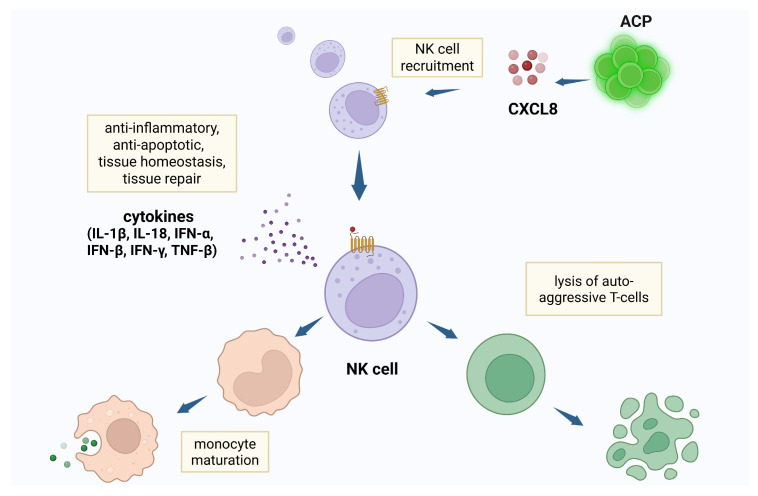
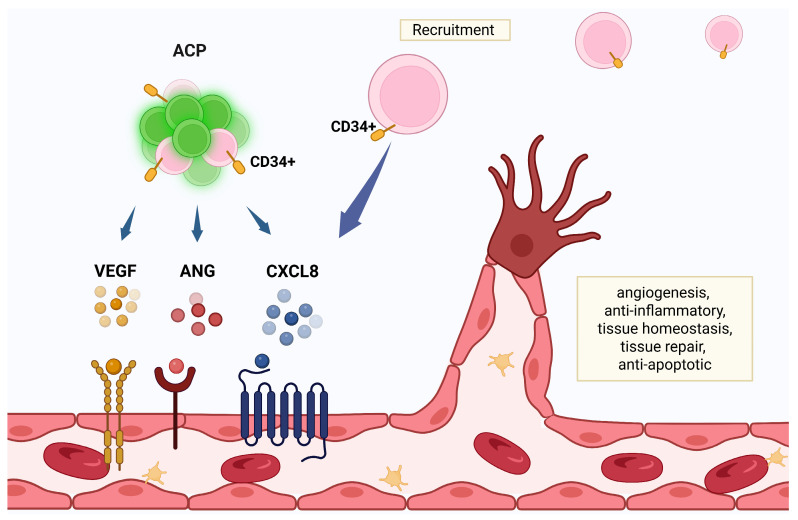
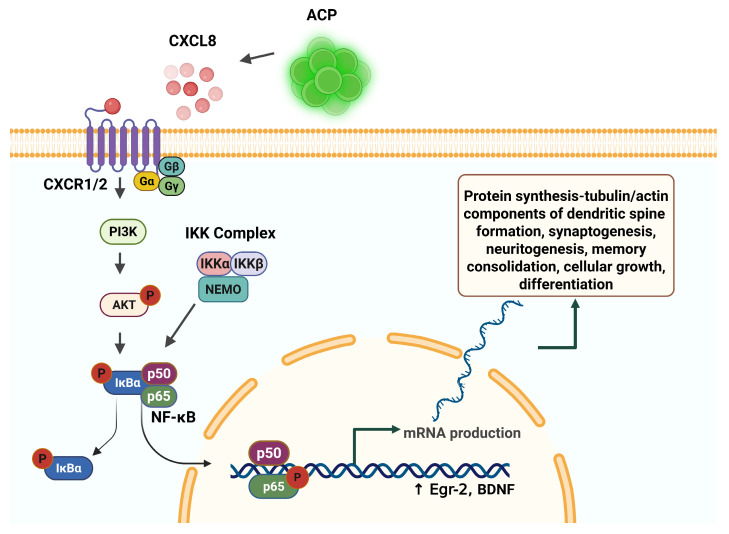
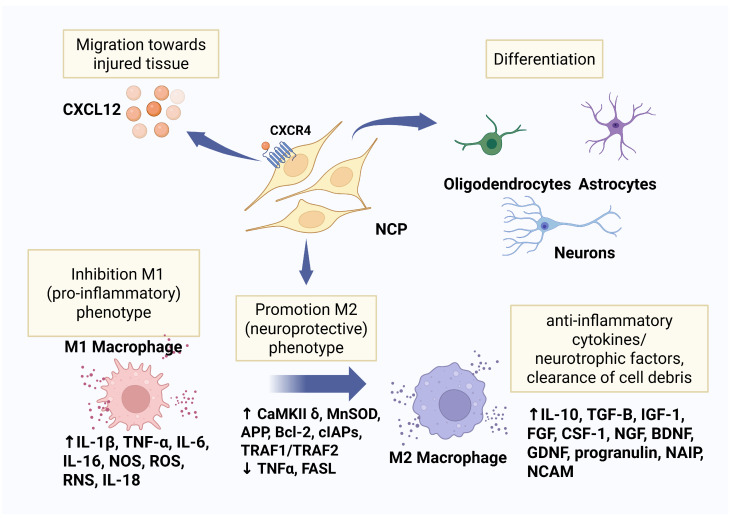
The application of artificial intelligence through the brain-computer interface (BCI) is proving to be one of the great advances in neuroscience today. The development of surface electrodes over the cortex and very fine electrodes that can be stereotactically implanted in the brain have moved the science forward to the extent that paralyzed people can play chess and blind people can read letters. However, the introduction of foreign bodies into deeper parts of the central nervous system results in foreign body reaction, scarring, apoptosis, and decreased signaling. Implanted electrodes activate microglia, causing the release of inflammatory factors, the recruitment of systemic inflammatory cells to the site of injury, and ultimately glial scarring and the encapsulation of the electrode. Recordings historically fail between 6 months and 1 year; the longest BCI in use has been 7 years. This article proposes a biomolecular strategy provided by angiogenic cell precursors (ACPs) and nerve cell precursors (NCPs), administered intrathecally. This combination of cells is anticipated to sustain and promote learning across the BCI. Together, through the downstream activation of neurotrophic factors, they may exert a salutary immunomodulatory suppression of inflammation, anti-apoptosis, homeostasis, angiogenesis, differentiation, synaptogenesis, neuritogenesis, and learning-associated plasticity.
Keywords: ACP; IL-8; M2 phenotype; NCP; NF-κB; NK cells; P75NTR; brain/AI interface; learning; progenitor cells; stem cells.
Conflict of interest statement
Professor Henderson is a practicing academic neurosurgeon who serves as Chief Medical Officer and has stock in Hemostemix, Inc. Kelly Tuchman was paid for her time by Metropolitan Neurosurgery Group and has no conflict of interest. The potential conflicts of interest have been transparently disclosed and do not undermine the scientific validity of the work.
Figures
References
-
- Kubben P. Invasive Brain-Computer Interfaces: A Critical Assessment of Current Developments and Future Prospects. JMIR Neurotechnol. 2024;3:e60151. doi: 10.2196/60151. - DOI
Publication types
MeSH terms
LinkOut - more resources
Full Text Sources
