


A Small-Molecule Compound Targeting Canine Mammary Cancer Regulates CXCL10 and MECOM Transcripts via Histone Modifications in CMT-N7
- PMID: 40805064
- PMCID: PMC12345417
- DOI: 10.3390/ani15152274
A Small-Molecule Compound Targeting Canine Mammary Cancer Regulates CXCL10 and MECOM Transcripts via Histone Modifications in CMT-N7
Abstract
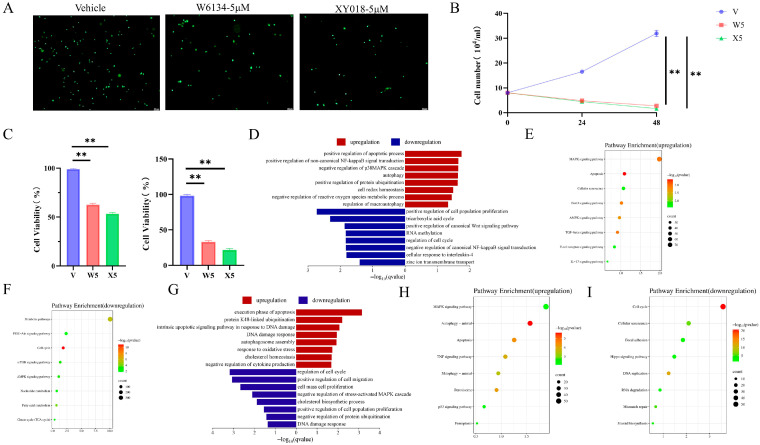
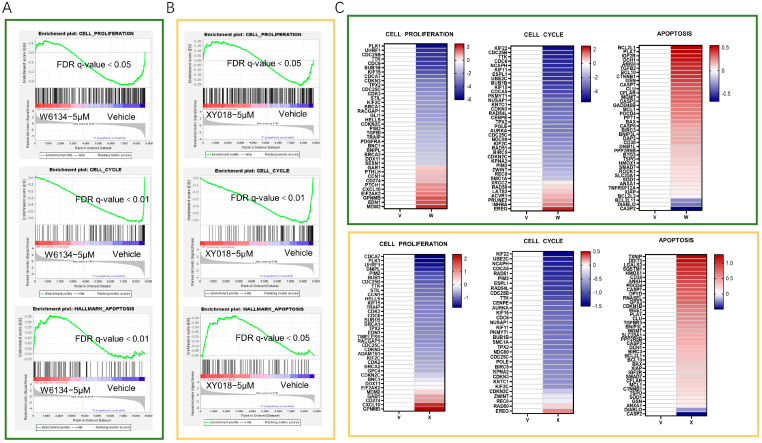
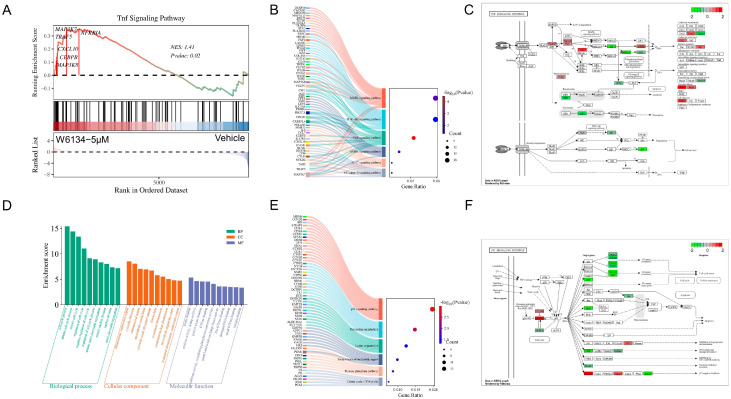
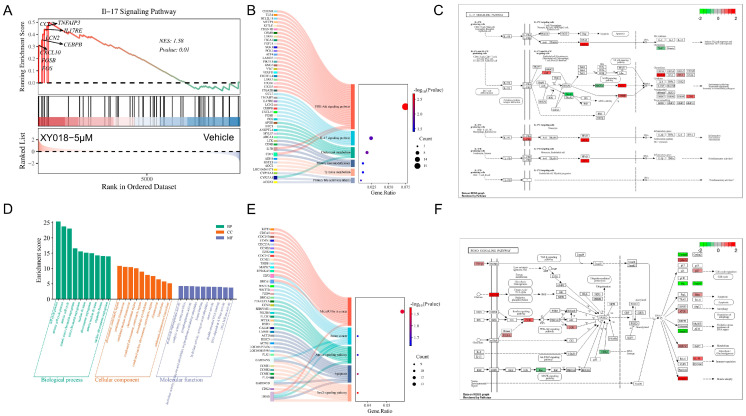
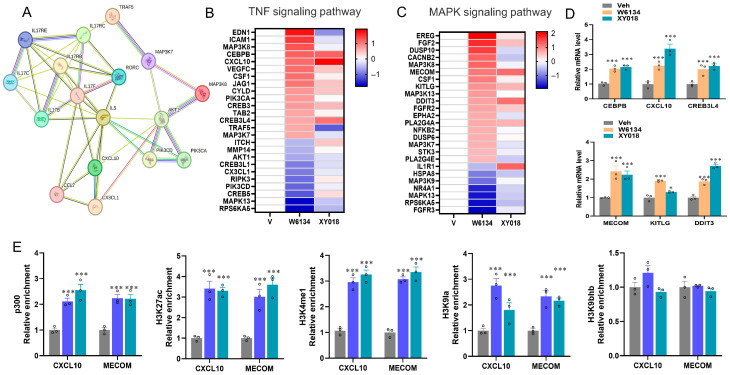
Nuclear receptors are involved in multiple biological processes, among which RORγ can regulate the expression of inflammation-related genes and is thus frequently used as a therapeutic target for cancer. Canine mammary cancer is one of the most common tumor diseases in dogs, with a relative incidence rate of 46.71% for CMT in China over the past five years, severely threatening the life and health of dogs. Therefore, the search for novel drugs targeting canine mammary cancer is of great significance. This study aims to investigate how the RORγ inhibitors W6134 and XY018 affect the expression of inflammatory genes through histone modifications in CMT-N7 cells. These results show that W6134 and XY018 can upregulate signaling pathways related to inflammation and apoptosis and influence the expression of associated genes. The close link between RORγ and inflammation-related genes further confirms that RORγ may serve as a therapeutic target for canine cancer. Additionally, ChIP-qPCR was used to detect the enrichment of histone markers such as P300, H3K27ac, H3K4me1, H3K9la, and H3K9bhb at the target loci of CXCL10 and MECOM genes. Collectively, our findings provide molecular evidence for the protective role of RORγ in canine mammary cancer, potentially by regulating inflammatory pathways via histone modifications, offering new insights for improving the cure rate and survival of affected dogs.
Keywords: RORγ; canine mammary cancer; histone modifications; inflammation.
Conflict of interest statement
Ms. Rongrong Wang’s work in this study was entirely based on scientific principles, and there are no conflicts of interest that could inappropriately influence the representation or interpretation of the research results. The remaining authors declare no conflicts of interest.
Figures
References
-
- Adam S.Y., Muniyappan M., Huang H., Ennab W., Liu H.Y., Ahmed A.A., Sun M.A., Dessie T., Kim I.H., Hu Y., et al. Dietary Organic Zinc Supplementation Modifies the Oxidative Genes via RORγ and Epigenetic Regulations in the Ileum of Broiler Chickens Exposed to High-Temperature Stress. Antioxidants. 2024;13:1079. doi: 10.3390/antiox13091079. - DOI - PMC - PubMed
Grants and funding
LinkOut - more resources
Full Text Sources
Other Literature Sources
Miscellaneous
