


Quantitative Variables Derived from the Electroencephalographic Signal to Assess Depth of Anaesthesia in Animals: A Narrative Review
- PMID: 40805076
- PMCID: PMC12345460
- DOI: 10.3390/ani15152285
Quantitative Variables Derived from the Electroencephalographic Signal to Assess Depth of Anaesthesia in Animals: A Narrative Review
Abstract
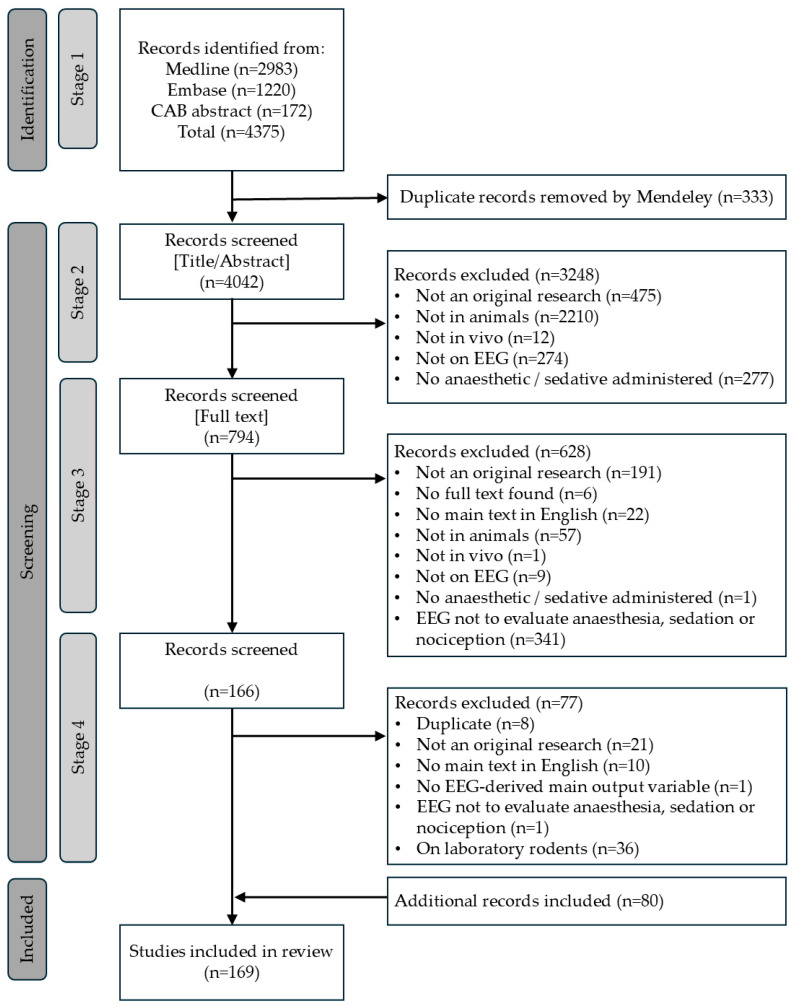
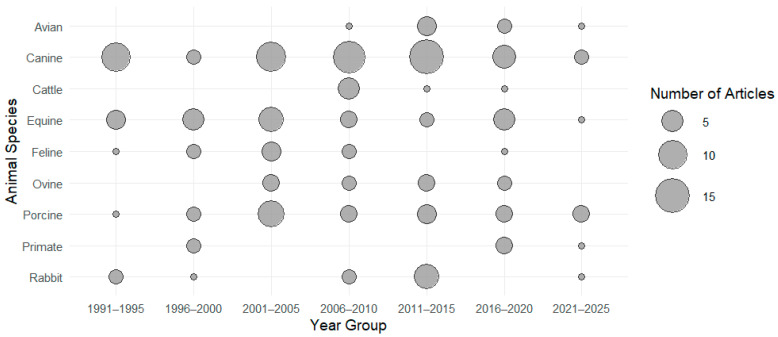
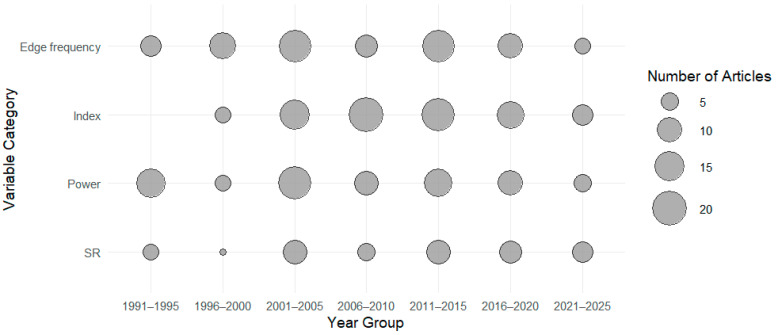
Accurately assessing the depth of anaesthesia in animals remains a challenge, as traditional monitoring methods fail to capture subtle changes in brain activity. This review aimed to systematically map and critically evaluate the range of quantitative variables derived from electroencephalography (EEG) used to monitor sedation or anaesthesia in live animals, excluding laboratory rodents, over the past 35 years. Studies were identified through comprehensive searches in major biomedical databases (PubMed, Embase, CAB Abstract). To be included, studies had to report EEG use in relation to anaesthesia or sedation in living animals. A total of 169 studies were selected after screening and data extraction. Information was charted by animal species and reported EEG-derived variables. The most frequently reported variables were spectral edge frequencies, spectral power metrics, suppression ratio, and proprietary indices, such as the Bispectral Index. Methodological variability was high, and no consensus emerged on optimal EEG measures across species. While EEG-derived quantitative variables provide valuable insights, their interpretation remains highly context-dependent. Further research is necessary to refine these methods, explore variable combinations, and improve their clinical relevance in veterinary medicine.
Keywords: animal anaesthesia; depth of anaesthesia; electroencephalography; nociception; quantitative EEG variables; veterinary monitoring.
Conflict of interest statement
The authors declare no conflicts of interest.
Figures
References
Publication types
LinkOut - more resources
Full Text Sources
Miscellaneous
