


Histological and Transcriptomic Insights into Rugose Surface Formation in Pepper (Capsicum annuum L.) Fruit
- PMID: 40805799
- PMCID: PMC12349362
- DOI: 10.3390/plants14152451
Histological and Transcriptomic Insights into Rugose Surface Formation in Pepper (Capsicum annuum L.) Fruit
Abstract
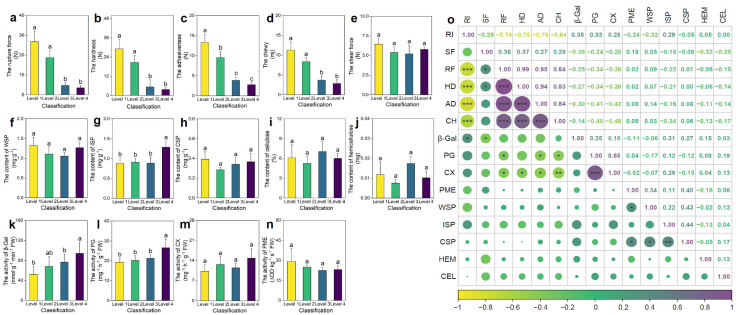
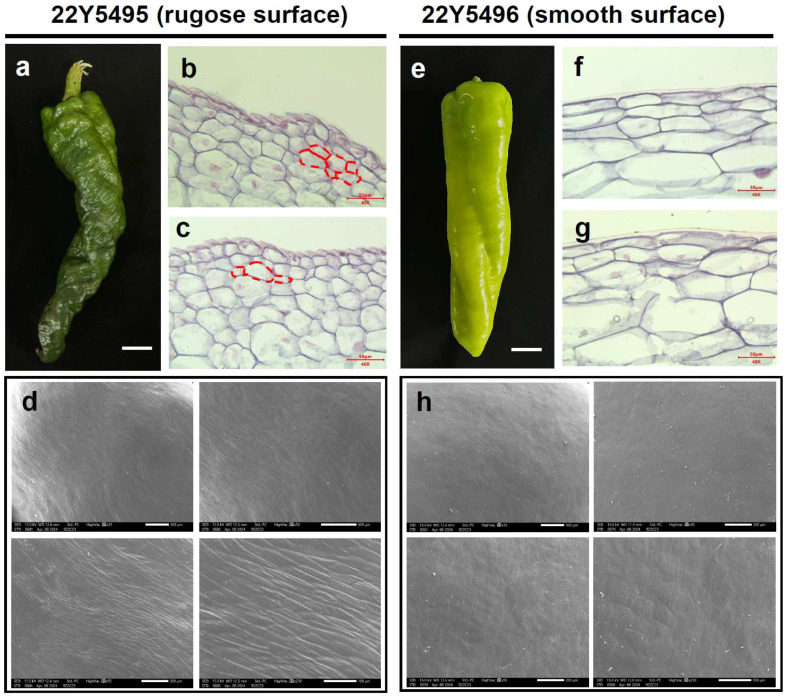
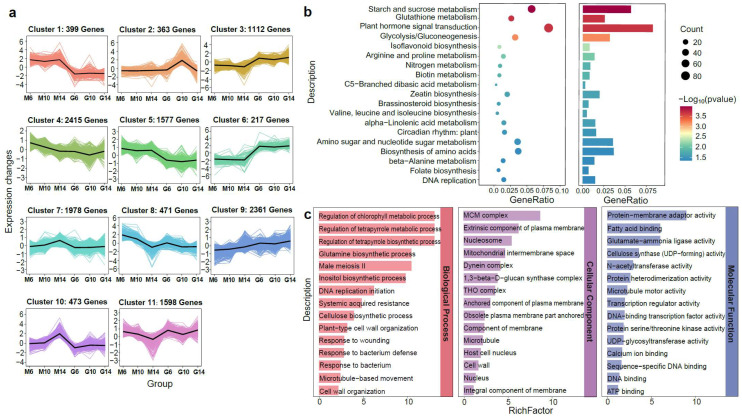
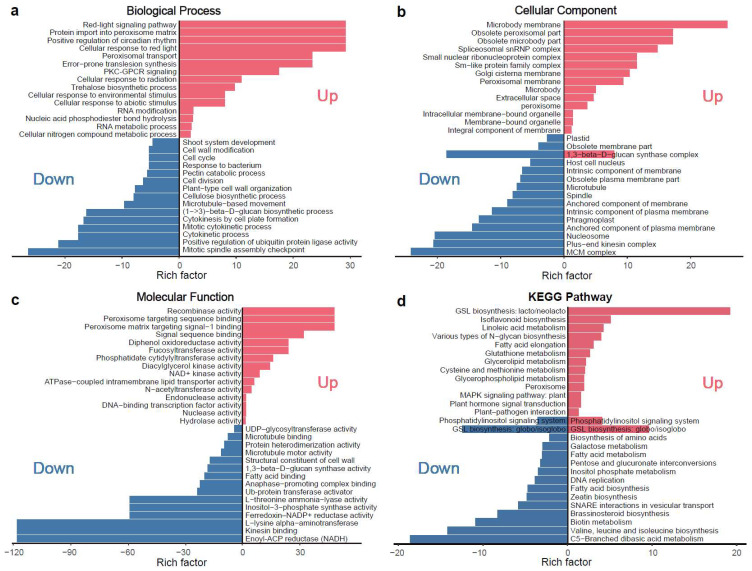
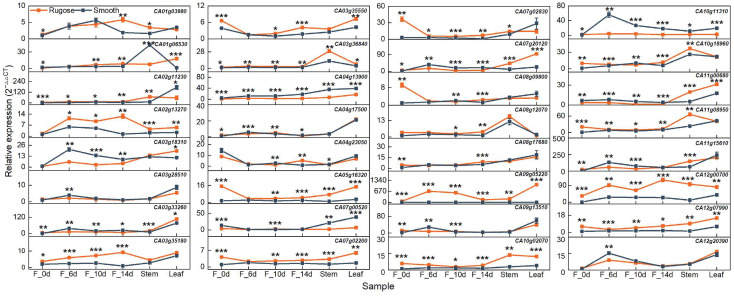
The rugose surface trait in pepper (Capsicum annuum L.), marked by ridges and depressions on the fruit epidermis, is linked to improved fruit texture. To investigate its regulatory basis, histological, textural, and transcriptomic differences, contrasting genotypes were analyzed. Histological analysis revealed that disorganized epidermal cell layers contribute to rugosity, with morphological differences emerging around 10 days post-anthesis (DPA). A computer-aided design (CAD)-based rugosity index (RI) was developed and showed strong correlation with sensory rugosity scores (R2 = 0.659, p < 0.001). Texture analysis demonstrated that increasing surface rugosity was associated with reduced rupture force and hardness, as well as elevated pectinase activity. Comparative transcriptome profiling identified 10 differentially expressed genes (DEGs) related to microtubule dynamics (e.g., CA03g18310 and CA09g13510) and phytohormone signaling (e.g., CA03g35180 and CA08g12070), which exhibited distinct spatial and temporal expression patterns. These findings suggest that coordinated cytoskeletal remodeling and hormonal regulation drive epidermal disorganization, leading to surface rugosity and altered fruit texture. The study provides novel insights into the molecular basis of fruit surface morphology and identifies promising targets for breeding high-quality pepper cultivars.
Keywords: comparative transcriptome analysis; epidermal morphology; fruit surface rugosity; fruit texture; pepper.
Conflict of interest statement
The authors declare no conflicts of interest.
Figures
References
-
- Cirilli M., Giovannini D., Ciacciulli A., Chiozzotto R., Gattolin S., Rossini L., Liverani A., Bassi D. Integrative Genomics Approaches Validate PpYUC11-like as Candidate Gene for the Stony Hard Trait in Peach (P. persica L. Batsch) BMC Plant Biol. 2018;18:88. doi: 10.1186/s12870-018-1293-6. - DOI - PMC - PubMed
-
- Du X., Davila M., Williams C., Weng Y. Fresh Cucumber Fruit Physicochemical Properties, Consumer Acceptance, and Impact of Variety and Harvest Date. ACS Food Sci. Technol. 2022;2:616–629. doi: 10.1021/acsfoodscitech.1c00433. - DOI
-
- Huang W., Nie Y., Zhu N., Yang Y., Zhu C., Ji M., Wu D., Chen K. Hybrid Label-Free Molecular Microscopies for Simultaneous Visualization of Changes in Cell Wall Polysaccharides of Peach at Single- and Multiple-Cell Levels During Postharvest Storage. Cells. 2020;9:761. doi: 10.3390/cells9030761. - DOI - PMC - PubMed
Grants and funding
LinkOut - more resources
Full Text Sources
Miscellaneous
