


Effects of Virtual Reality Based on Fall Prevention Intervention: A Systematic Review and Meta-Analysis
- PMID: 40805878
- PMCID: PMC12346508
- DOI: 10.3390/healthcare13151845
Effects of Virtual Reality Based on Fall Prevention Intervention: A Systematic Review and Meta-Analysis
Abstract
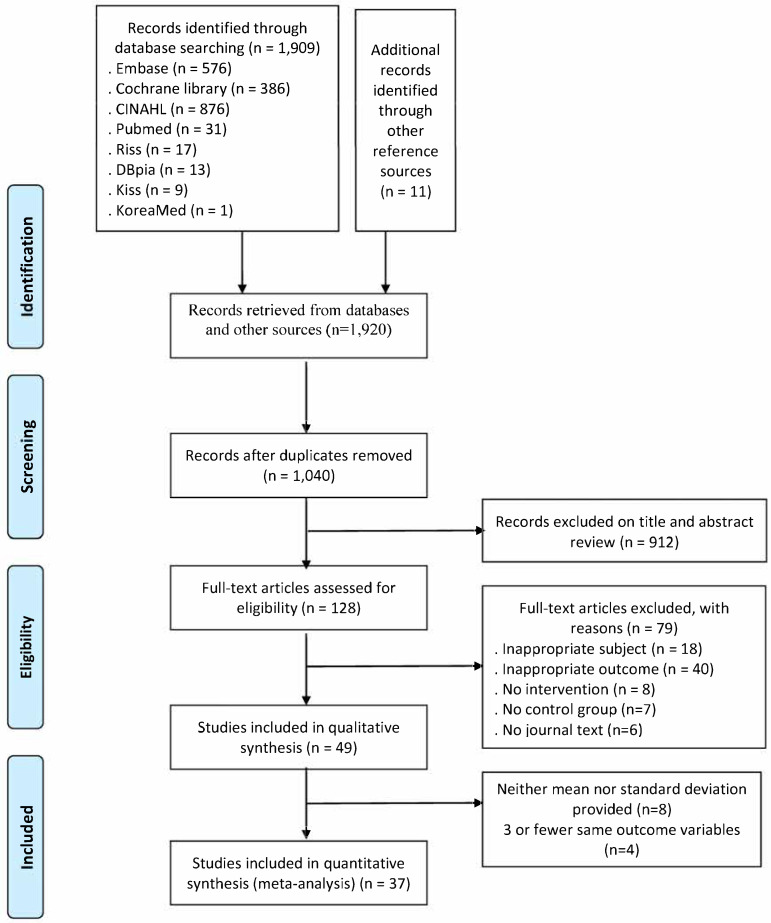
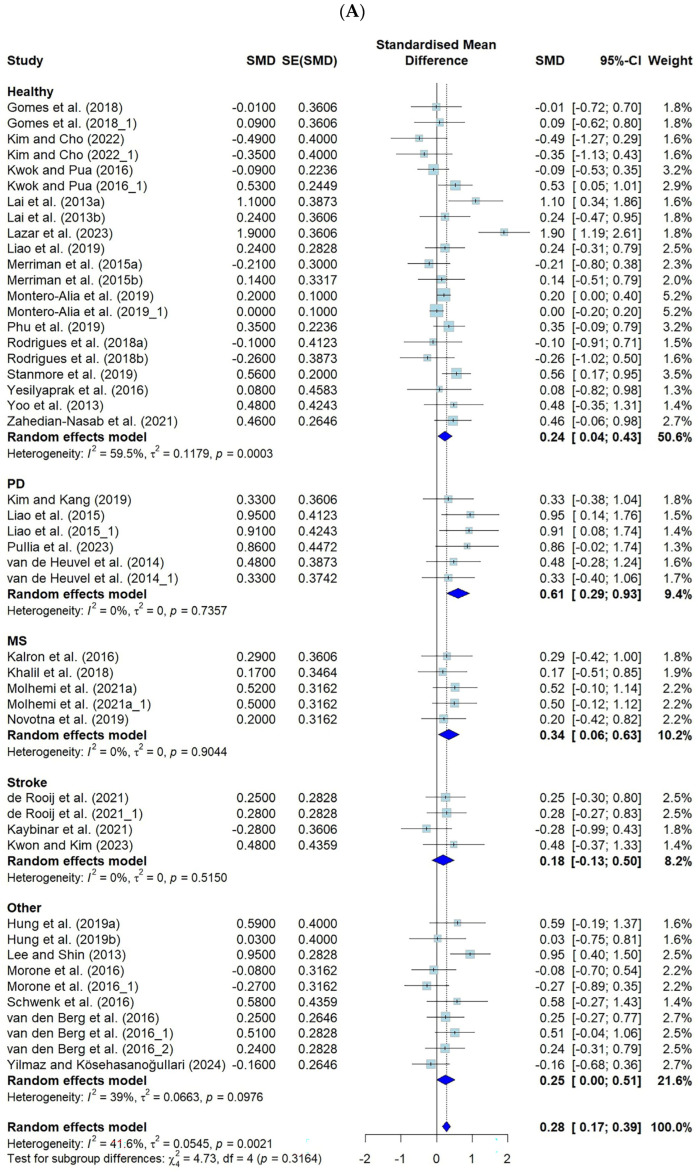
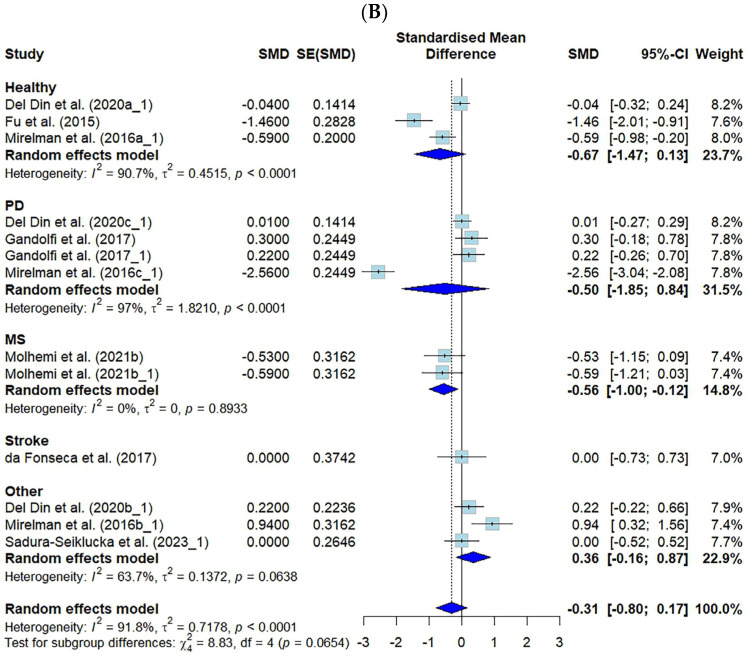
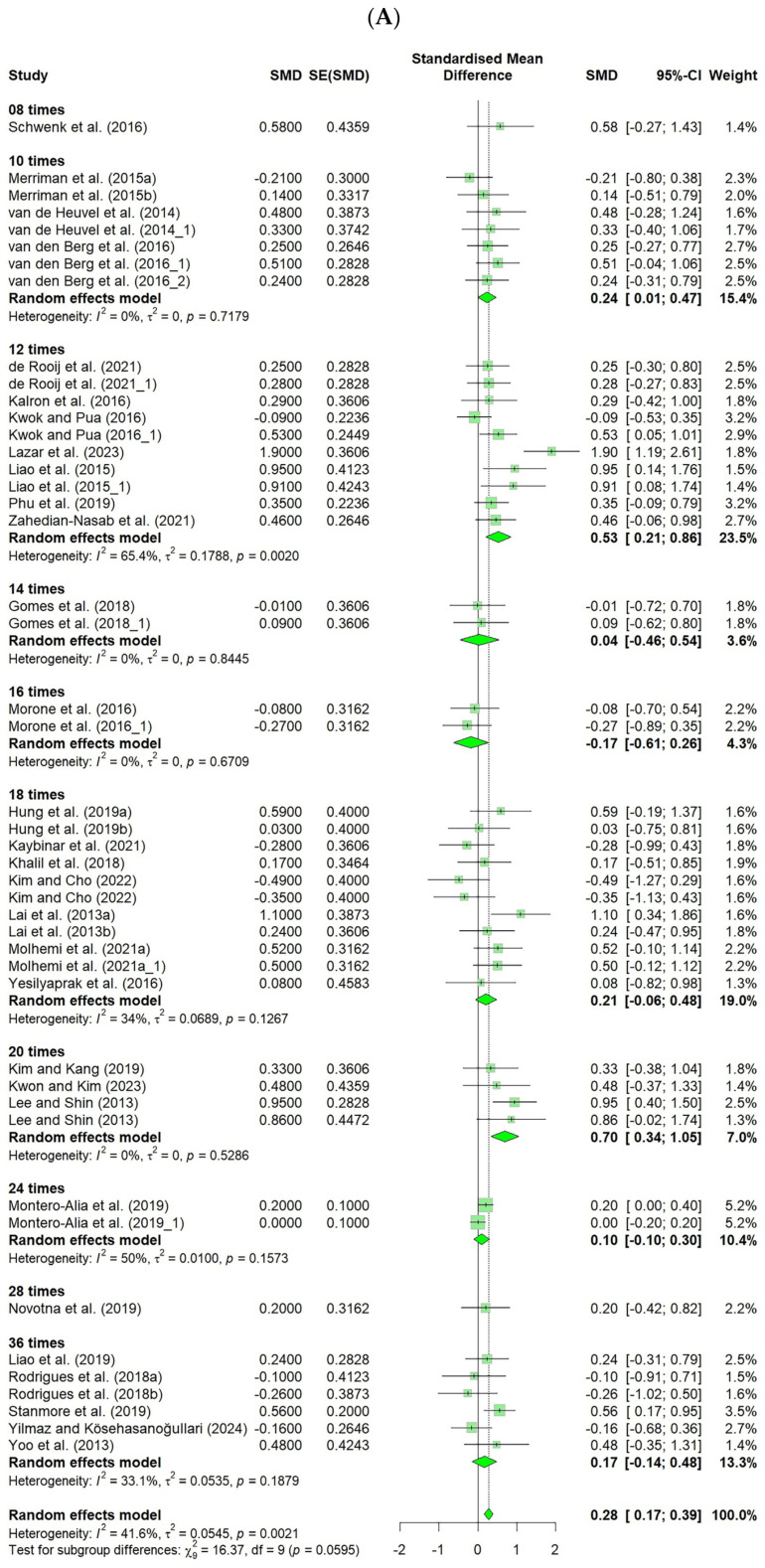
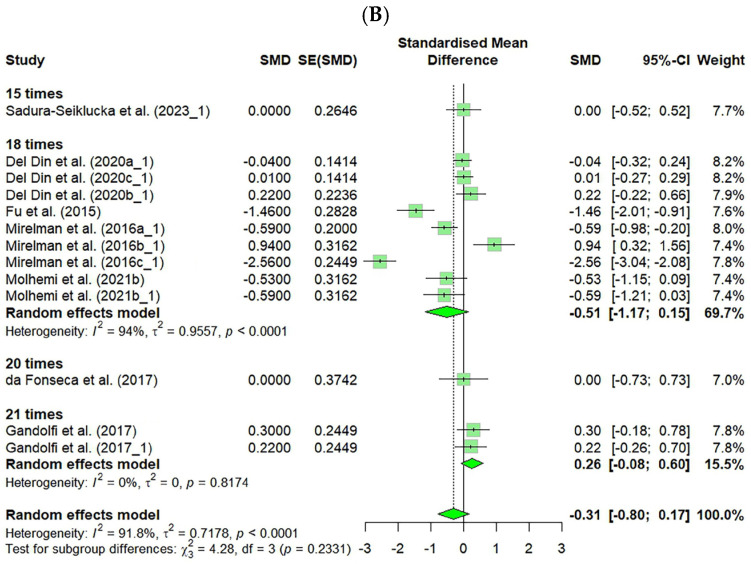
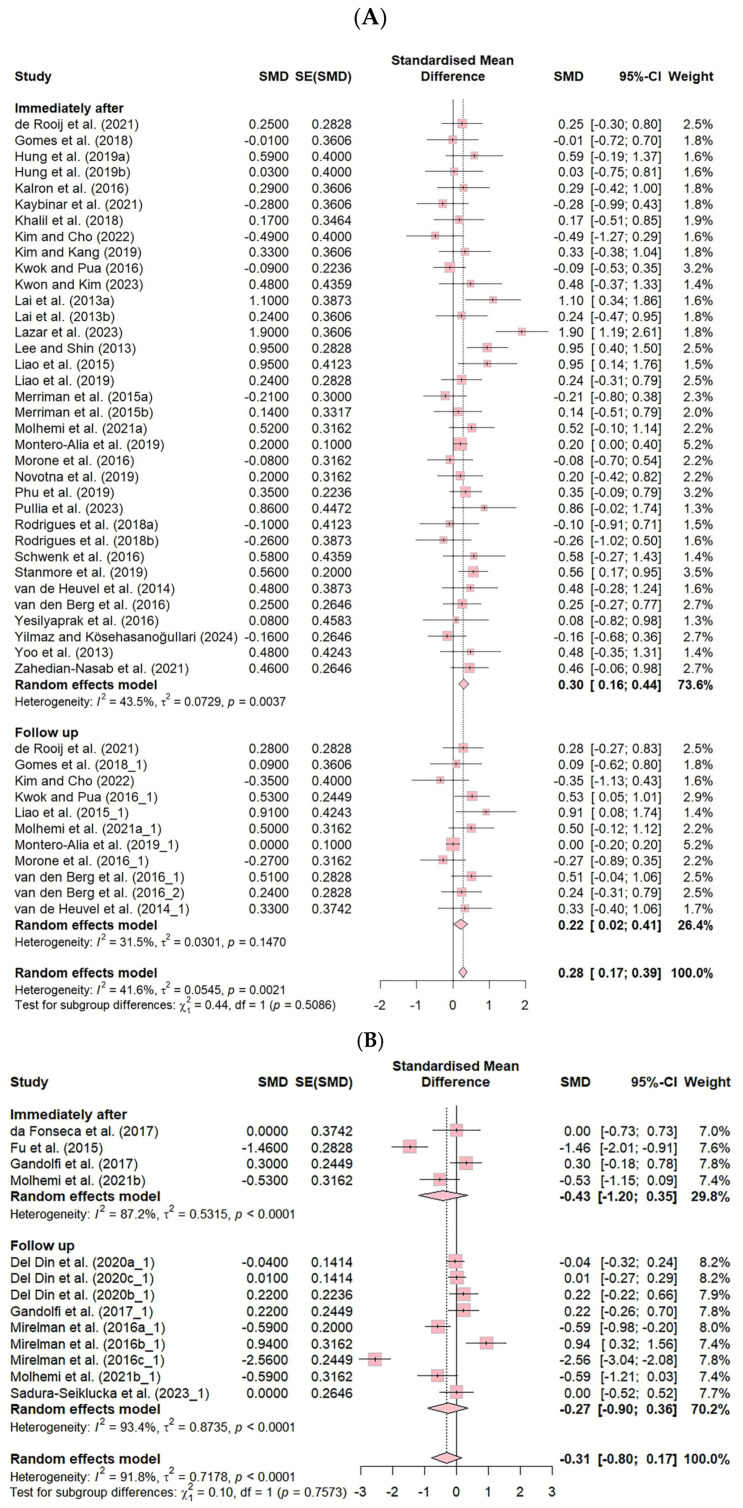
Background/Objectives: Falls are recognized as a leading cause of injury, with approximately one in ten incidents resulting in physical injury. Although virtual reality (VR)-based interventions have been explored for fall prevention, systematic reviews and meta-analyses remain limited. This study aimed to assess research trends and evaluate the effectiveness of VR-based fall prevention through a systematic review and meta-analysis. Methods: This review was conducted following the Preferred Reporting Items for Systematic Reviews and Meta-Analyses (PRISMA) guidelines. A comprehensive literature search was carried out in PubMed, EBMASE, Cumulative Index to Nursing and Allied Health Literature (CINAHL), Cochrane Library, and Korean databases from their inception through 31 December 2024. A total of 49 studies met the inclusion criteria, and a meta-analysis was conducted on 37 studies with available data using "R" 4.4.1 software. Effect sizes (ESs) and 95% confidence intervals (CIs) were calculated for key outcomes. Results: The VR-based interventions showed a statistically significant positive effect on falls self-efficacy, as measured by the Falls Efficacy Scale (FES) (ES = 0.28, 95% CI: 0.17-0.39, p < 0.001). However, no significant reduction was observed in the number of falls (ES = -0.31, 95% CI: -0.80-0.17, p = 0.20). Subgroup analysis by participant medical condition for the FES revealed the largest effects in the Parkinson's disease (PD) group (ES = 0.61), followed by the multiple sclerosis (MS) (ES = 0.34), the "other" group (ES = 0.25), and "healthy" participants (ES = 0.24). A statistically significant reduction in the number of falls was observed only in the MS group (ES = -0.56). Conclusions: VR-based interventions are effective in improving falls self-efficacy, particularly among individuals with neurological conditions, such as Parkinson's disease and multiple sclerosis. However, evidence for a reduction in actual fall incidence remains limited. Further large-scale, long-term studies are needed to evaluate the sustained impact of VR interventions on fall prevention outcomes.
Keywords: fall efficacy scale; fall prevention; number of falls; systematic review; virtual reality.
Conflict of interest statement
The authors declared no conflicts of interest.
Figures
References
-
- Center for Disease Control and Prevention (CDC) Facts About Falls. [(accessed on 9 May 2024)]; Available online: https://www.cdc.gov/falls/data-research/facts-stats/index.html.
-
- Truijen S., Abdullahi A., Bijsterbosch D., van Zoest E., Conijn M., Wang Y., Struyf N., Saeys W. Effect of home-based virtual reality training and telerehabilitation on balance in individuals with Parkinson disease, multiple sclerosis, and stroke: A systematic review and meta-analysis. Neurol Sci. 2022;43:2995–3006. doi: 10.1007/s10072-021-05855-2. - DOI - PMC - PubMed
-
- Jo K.M., Kim M.Y. Risk factors of moderate to severe injury among the elderly after a fall. J. Korean Gerontol. Nurs. 2019;21:33–40. doi: 10.17079/jkgn.2019.21.1.33. - DOI
-
- Kim G.D., Heo M. Effects of Swiss ball exercise program for improvement of life care on balance and gait in local community elderly. J. Korean Entertain. Ind. Assoc. 2018;12:353–359. doi: 10.21184/jkeia.2018.10.12.7.353. - DOI
Publication types
LinkOut - more resources
Full Text Sources
Miscellaneous
