


The Link Between Human Alkyladenine DNA Glycosylase and Cancer Development
- PMID: 40806775
- PMCID: PMC12347255
- DOI: 10.3390/ijms26157647
The Link Between Human Alkyladenine DNA Glycosylase and Cancer Development
Abstract
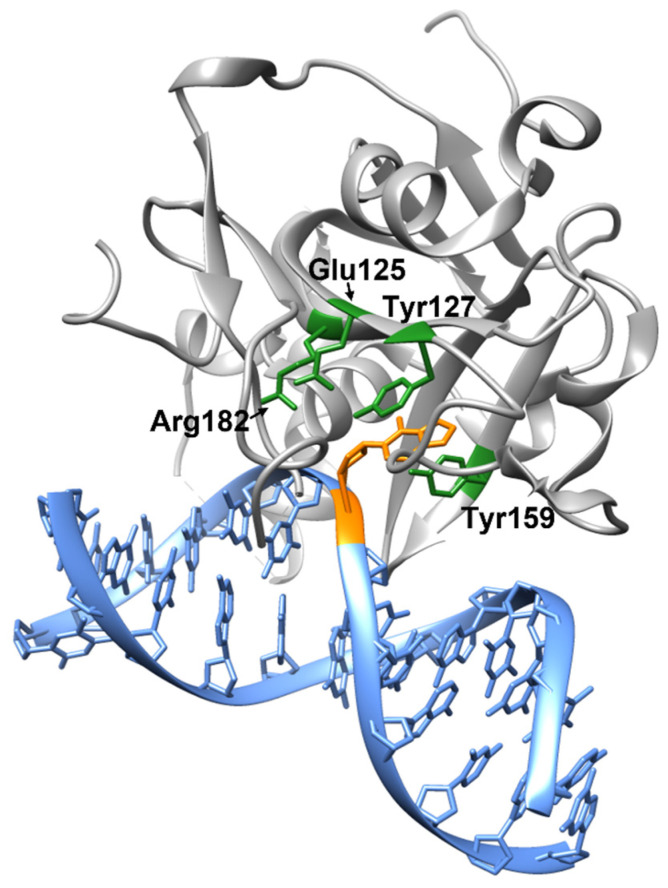
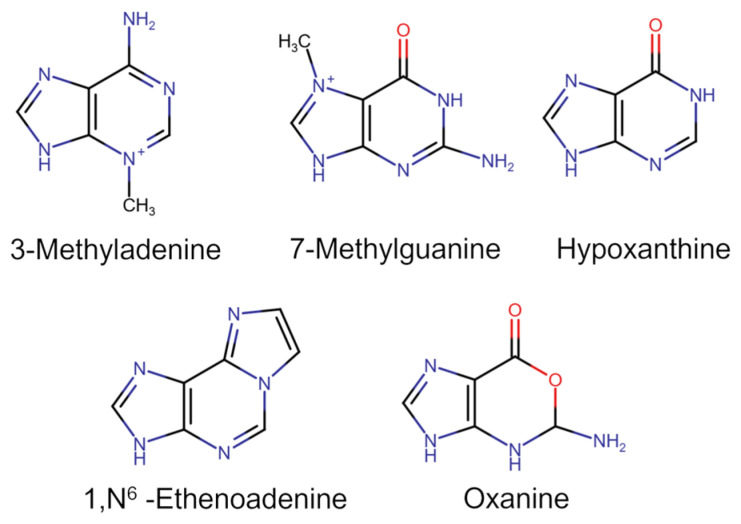
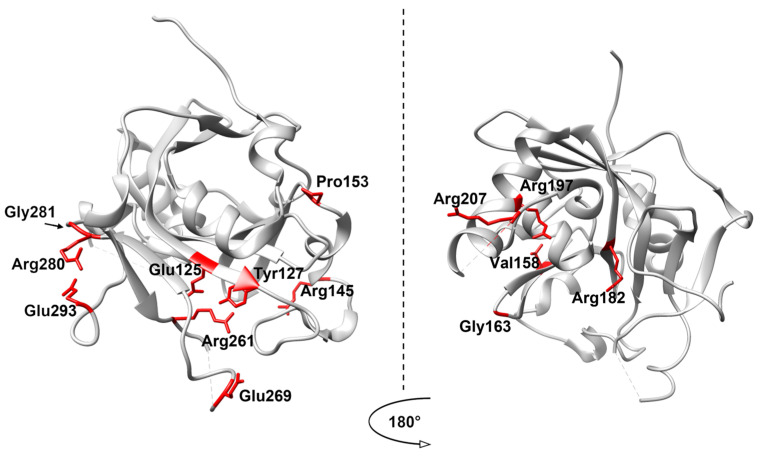
Alkyladenine DNA glycosylase (AAG) is a critical enzyme in the base excision repair (BER) pathway, responsible for removing a broad spectrum of alkylated DNA lesions. While AAG maintains genomic stability, dysregulated activity has been implicated in cancer development, drug resistance, and neurodegenerative diseases. This review synthesizes the current knowledge on AAG's structure, catalytic mechanism, and polymorphic variants, highlighting their potential roles in disease pathogenesis. A comprehensive bioinformatics analysis of over 370 AAG single-nucleotide polymorphisms (SNPs) is presented, identifying ~40% as high-risk variants likely to impair enzymatic function. Notably, 151 SNPs were predicted to be damaging by multiple algorithms, including substitutions at catalytic residues and non-conserved sites with unknown functional consequences. Analysis of cancer databases (COSMIC, cBioPortal, NCBI) revealed 93 tumor-associated AAG variants, with 18 classified as high-impact mutations. This work underscores the need for mechanistic studies of AAG variants using structural biology, cellular models, and clinical correlation analyses. Deciphering AAG's polymorphic landscape may unlock personalized strategies for cancer prevention and treatment.
Keywords: DNA repair; DNA repair coordination; alkyladenine DNA glycosylase; enzymatic activity; single-nucleotide polymorphism.
Conflict of interest statement
The authors declare no conflicts of interest.
Figures
References
Publication types
MeSH terms
Substances
Grants and funding
LinkOut - more resources
Full Text Sources
Medical
