


Implant-Supported Oral Rehabilitation in Head and Neck Cancer Patients: A 20-Year Single-Center Study (2005-2024)
- PMID: 40807055
- PMCID: PMC12347589
- DOI: 10.3390/jcm14155435
Implant-Supported Oral Rehabilitation in Head and Neck Cancer Patients: A 20-Year Single-Center Study (2005-2024)
Abstract
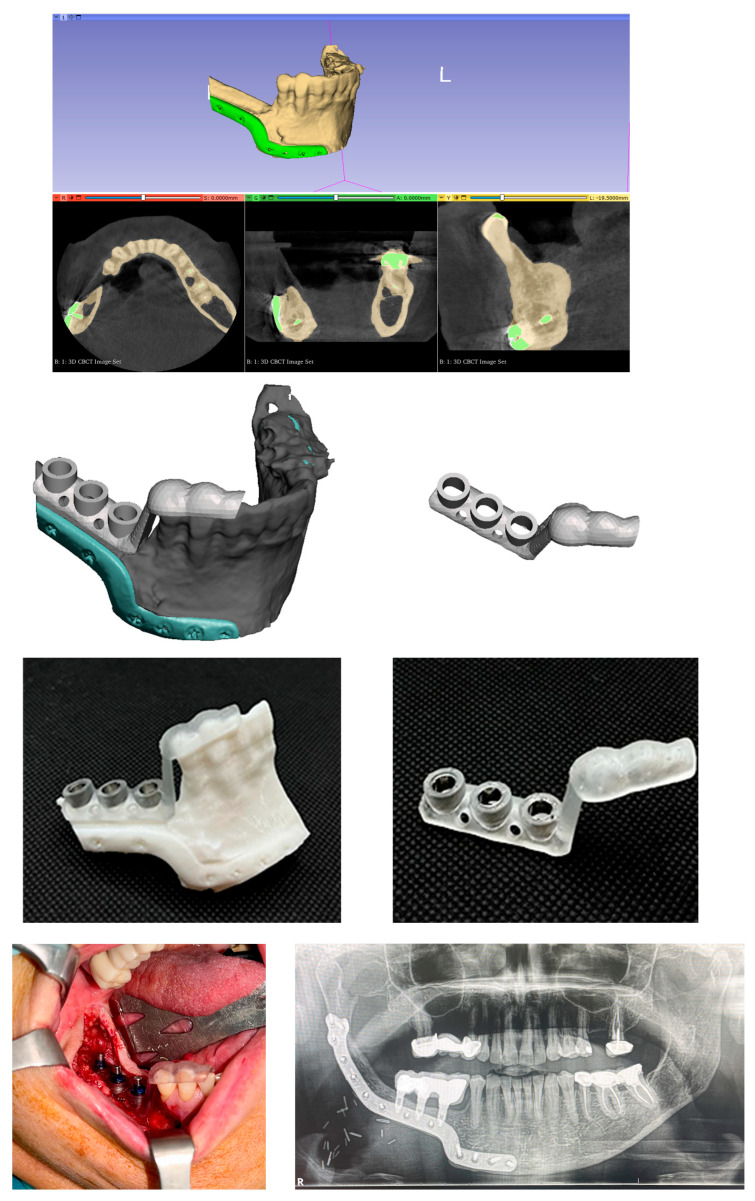
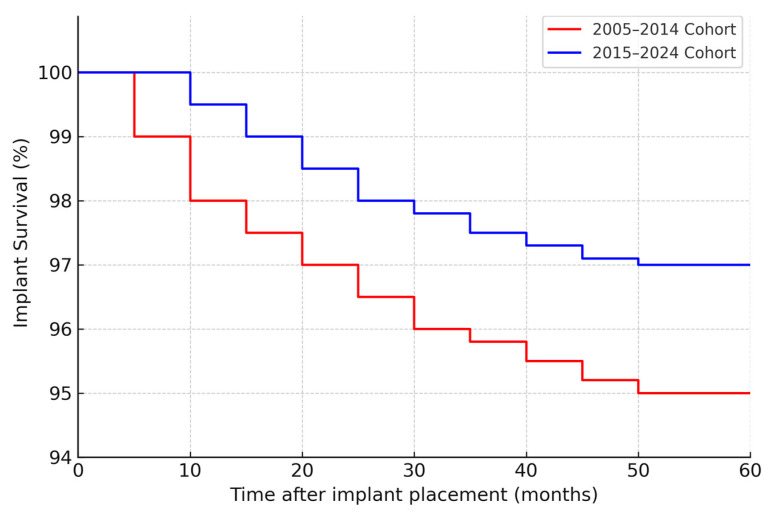
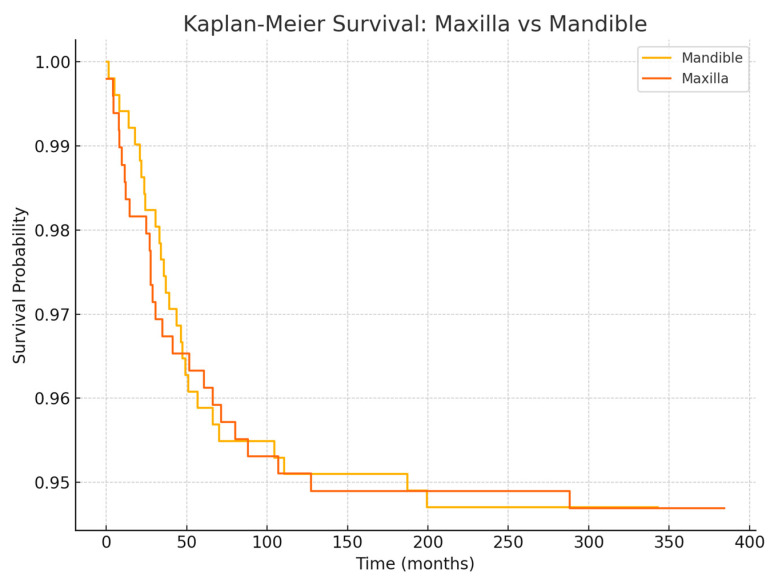
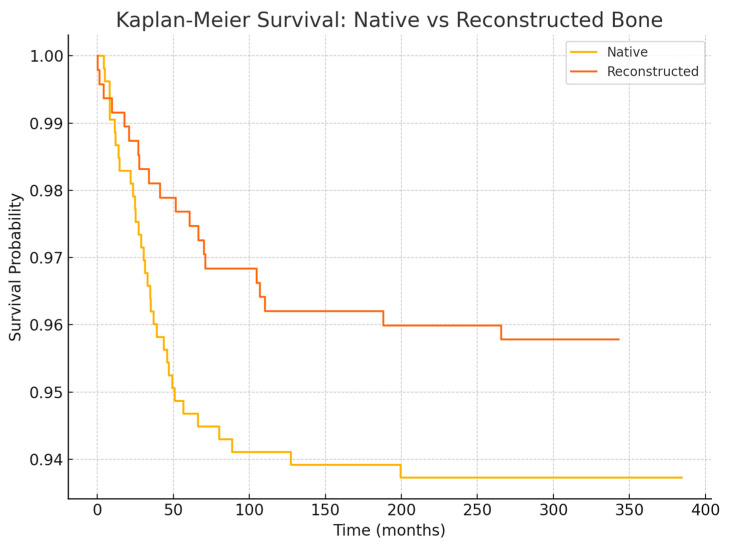
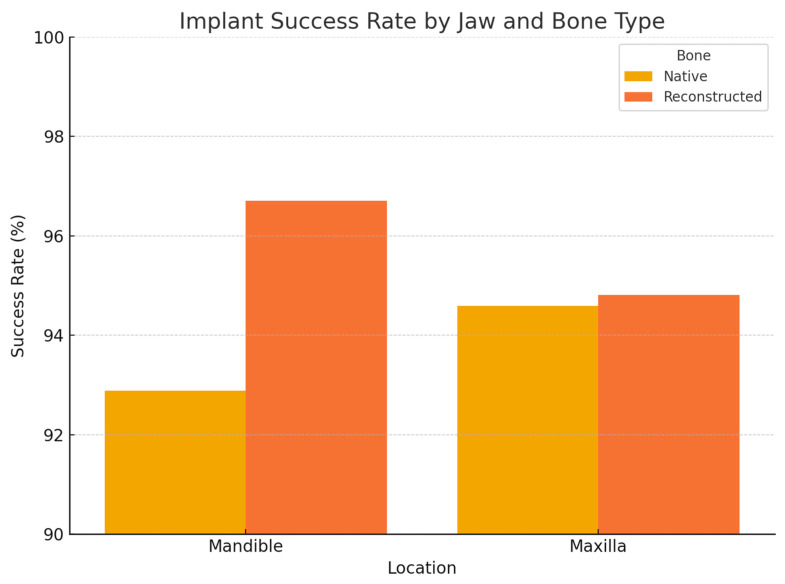
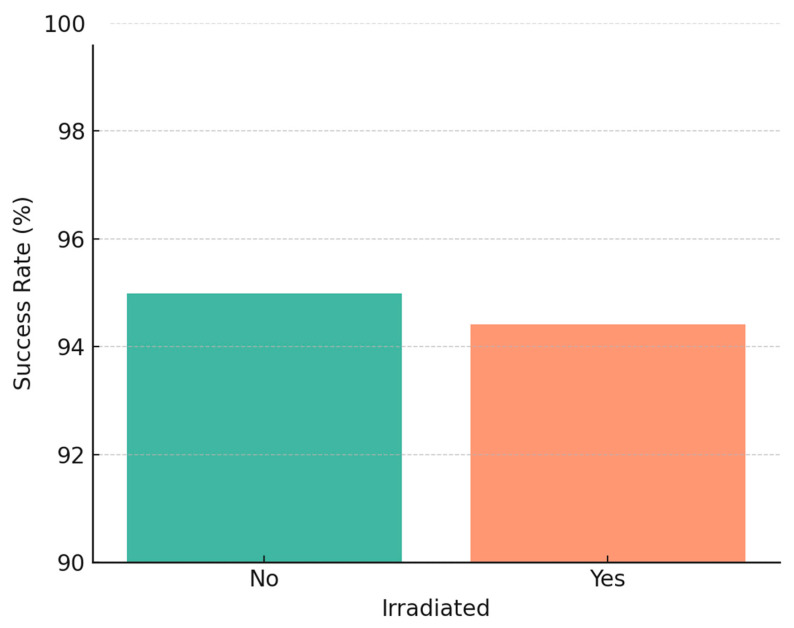
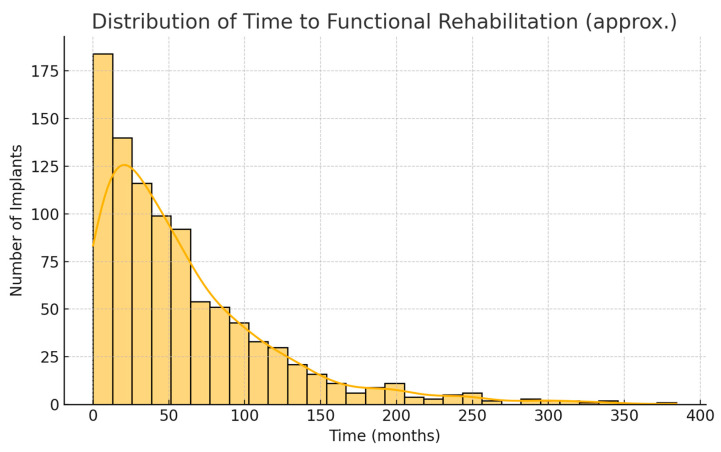
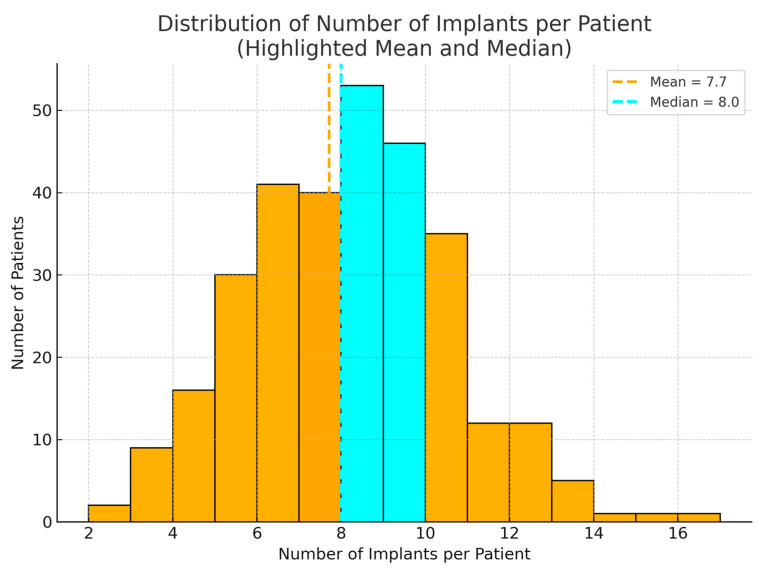
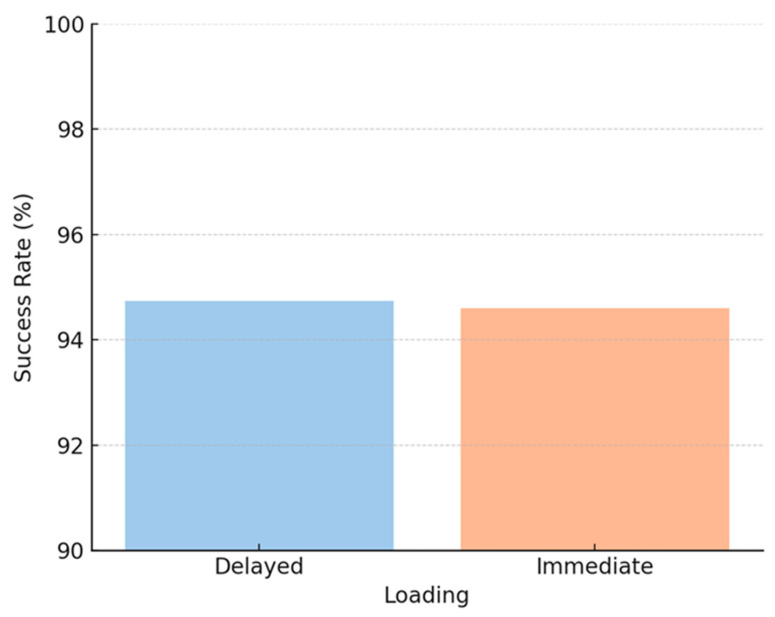
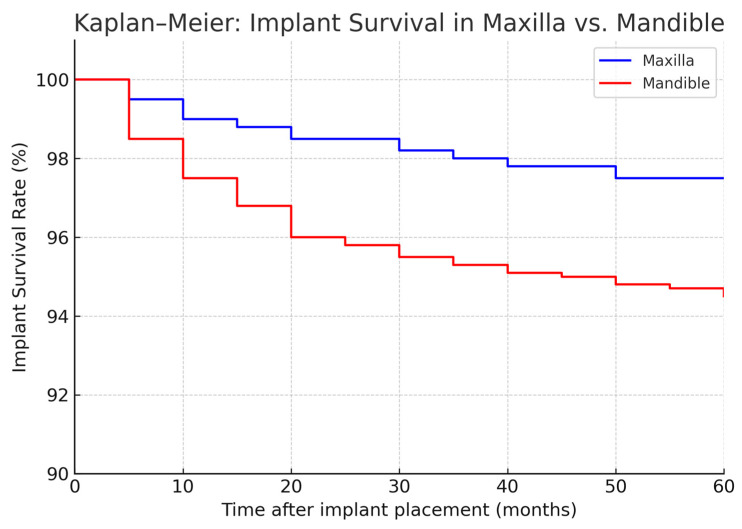
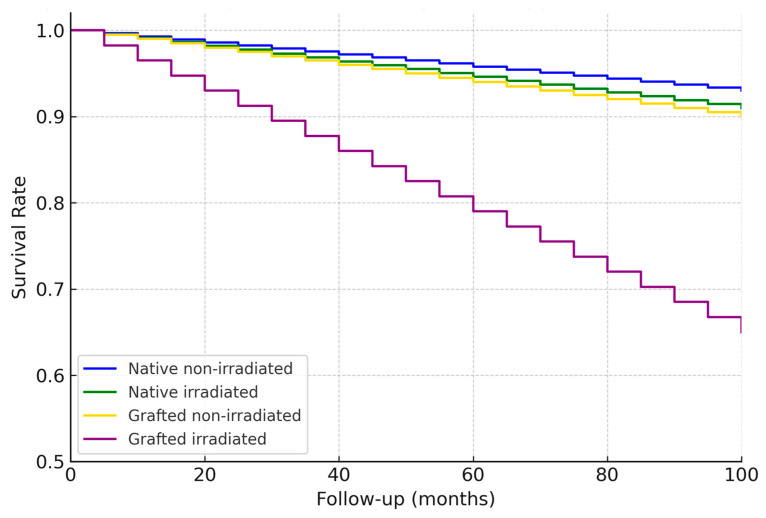
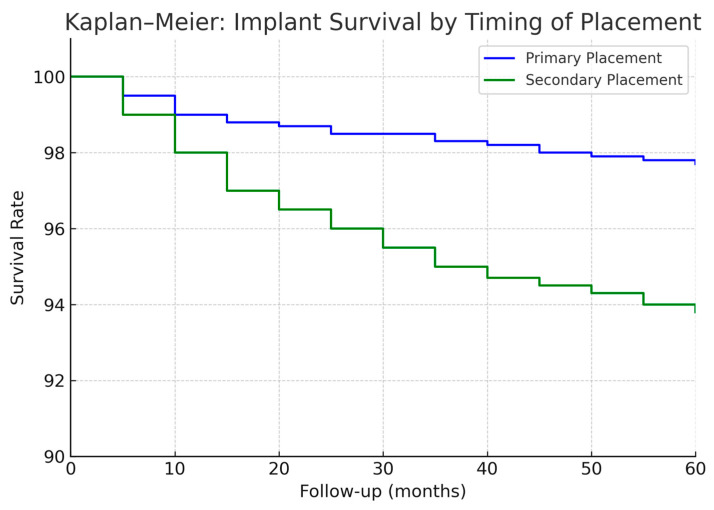
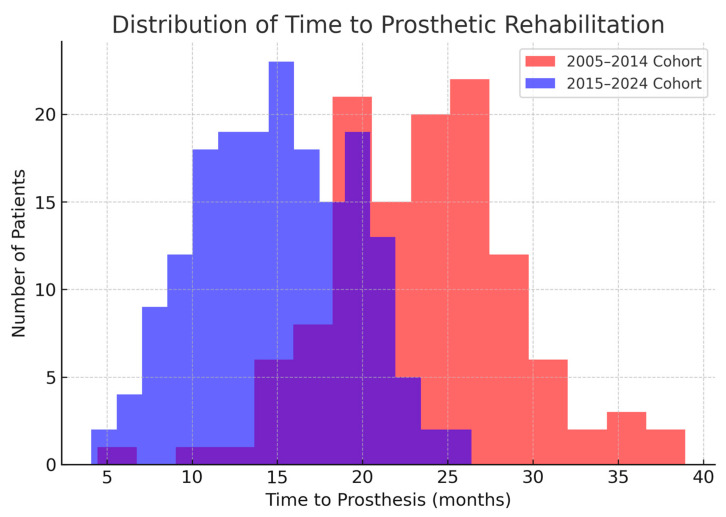
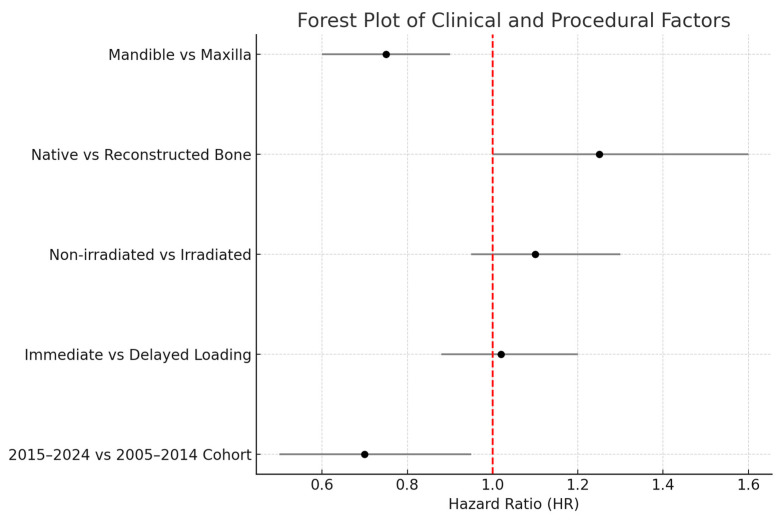
Background/Objectives: Oral cancer resection often leads to maxillofacial defects and dentition loss, compromising patients' quality of life. Implant-supported prosthetic rehabilitation offers a reliable solution to restore function, though factors such as bone reconstruction, radiotherapy, and timing of implant placement (immediate vs. delayed) may influence outcomes. This study aimed to evaluate long-term implant survival and rehabilitation timelines in oncologic patients, comparing two cohorts (2005-2014 and 2015-2024) to assess the impact of evolving clinical practices. Methods: A retrospective cohort study was conducted at Hospital General Universitario Gregorio Marañón (Madrid, Spain), including 304 patients who underwent ablative oral cancer surgery and subsequent implant-based rehabilitation between 2005 and 2024. Data on demographics, oncologic treatment, reconstruction, implant timing, and prosthetic rehabilitation were collected. Outcomes were compared using Kaplan-Meier analysis and appropriate statistical tests between the 2005-2014 (n = 122) and 2015-2024 (n = 182) cohorts. Results: A total of 2341 Ticare Implants® were placed, supporting 281 prostheses. Implant placement during primary surgery increased from 41% to 71% (p < 0.001). The median time from surgery to prosthesis significantly decreased from 24 to 15 months (p < 0.001). Five-year implant survival was 95% in the early cohort versus 97% in the later cohort. Implant survival was comparable between irradiated and non-irradiated patients (~94-96%). Fixed prostheses became more frequent (92% vs. 79%, p = 0.002). Conclusions: Implant-supported rehabilitation in oncologic patients is highly feasible and durable, with improved timelines and functional outcomes associated with early implant placement and modern digital planning strategies.
Keywords: 3D printing; dental implants; free fibula flap; head and neck oncology; implant stability quotient; implant survival; oral cancer; osseointegration; point-of-care manufacturing; prosthetic rehabilitation; radiotherapy.
Conflict of interest statement
The authors declare no conflicts of interest. The funders had no role in the design of the study; in the collection, analyses, or interpretation of data; in the writing of the manuscript; or in the decision to publish the results.
Figures
References
LinkOut - more resources
Full Text Sources
