


Updates in Contemporary Management of Singleton Pregnancies Complicated by a Short Cervix
- PMID: 40807162
- PMCID: PMC12347413
- DOI: 10.3390/jcm14155544
Updates in Contemporary Management of Singleton Pregnancies Complicated by a Short Cervix
Abstract
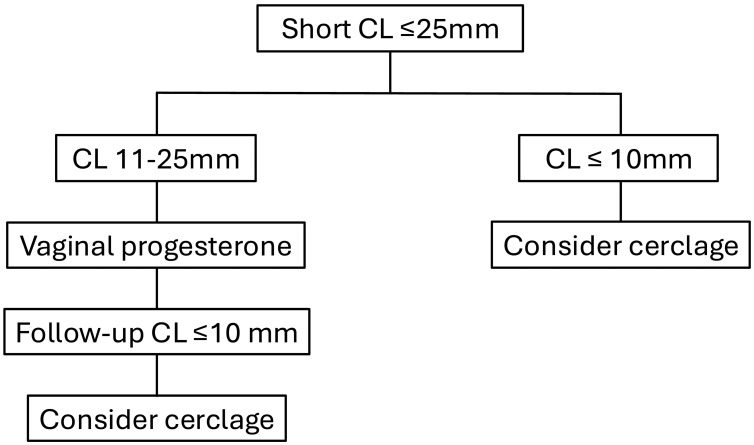
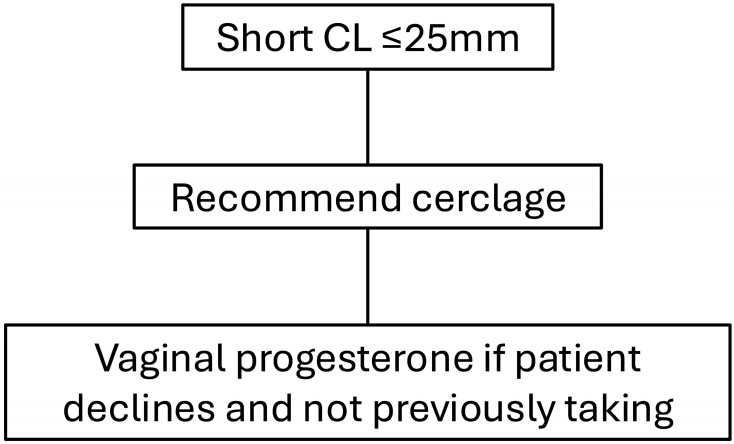
Singleton pregnancies complicated by a short cervical length (≤25 mm) are at significantly increased risk for spontaneous preterm birth. Several treatment strategies aimed at reducing this risk and improving perinatal outcomes have been evaluated, including vaginal progesterone, cervical cerclage, and cervical pessary. This review summarizes the latest evidence regarding the efficacy of these interventions. Vaginal progesterone and/or cervical cerclage have been identified as proven evidence-based practices for preterm birth prevention and improve neonatal outcomes. Vaginal progesterone reduces the risk of preterm birth < 35 weeks by 27% (relative risk 0.73, 95% confidence interval 0.58-0.90). Cervical cerclage has been shown to reduce the risk of preterm birth < 35 weeks by 30% (relative risk 0.70, 95% confidence interval 0.55-0.89) in patients with a short cervical length and prior preterm birth. In contrast, recent data suggest that cervical pessary should no longer be considered a management option for these patients. A continued focus on individualized, evidence-based approaches remains essential to optimizing outcomes in this high-risk population.
Keywords: cerclage; cervical length; cervical pessary; neonatal morbidity; prematurity; preterm birth; vaginal progesterone.
Conflict of interest statement
The authors declare no conflicts of interest.
Figures
References
Publication types
LinkOut - more resources
Full Text Sources
