


Antibiotic Cocktail: An Excellent Tool to Probe Physiology by Perturbing Gut Microbiota: A Mice Model
- PMID: 40817939
- PMCID: PMC12357809
- DOI: 10.1007/s00284-025-04409-5
Antibiotic Cocktail: An Excellent Tool to Probe Physiology by Perturbing Gut Microbiota: A Mice Model
Abstract
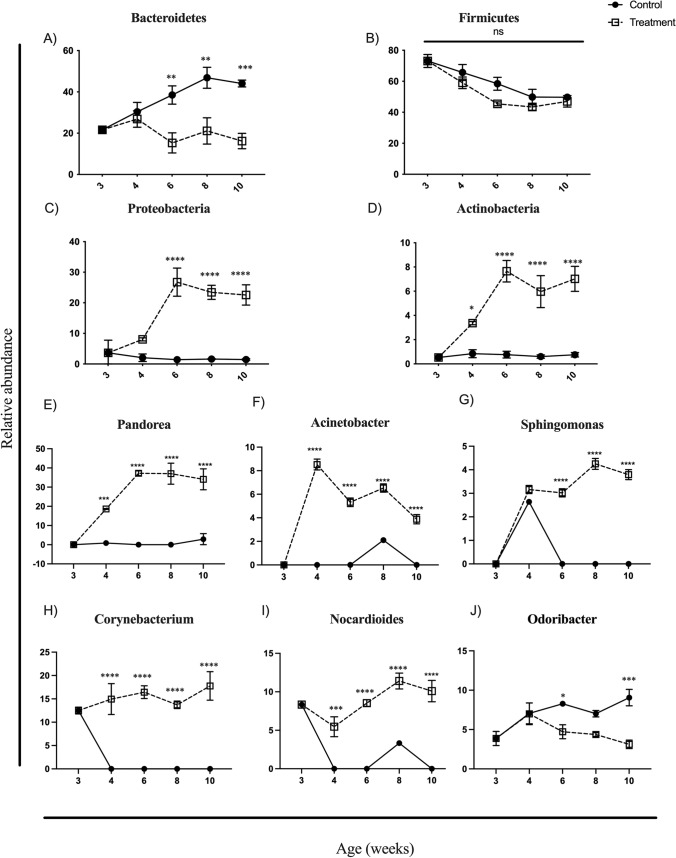
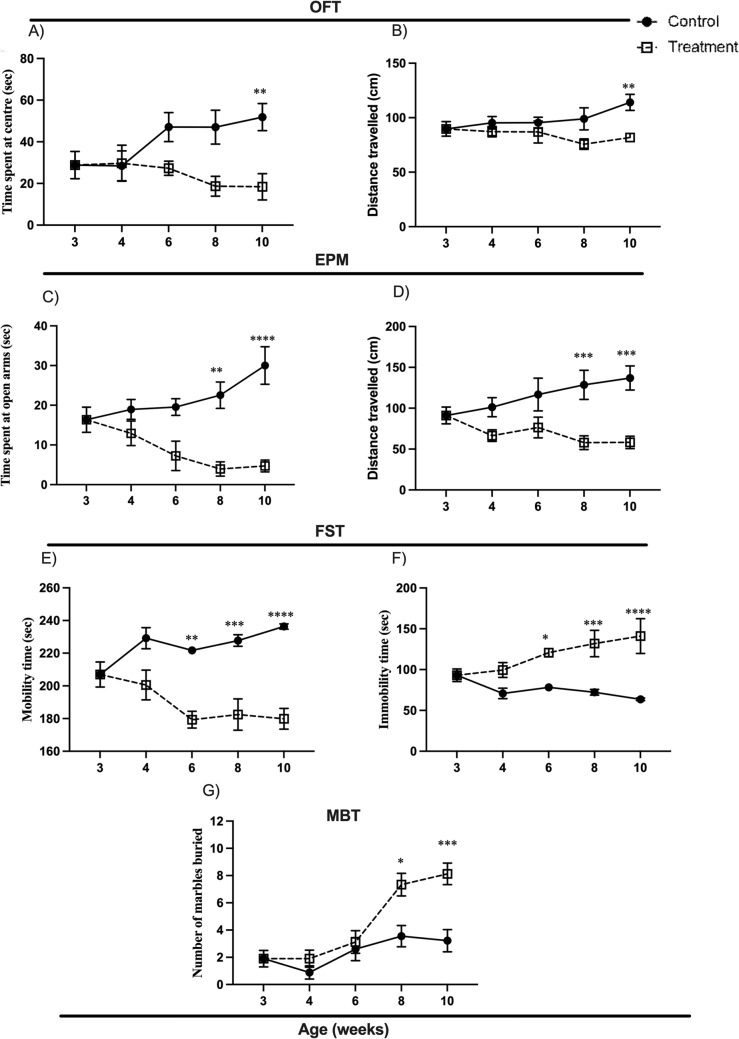
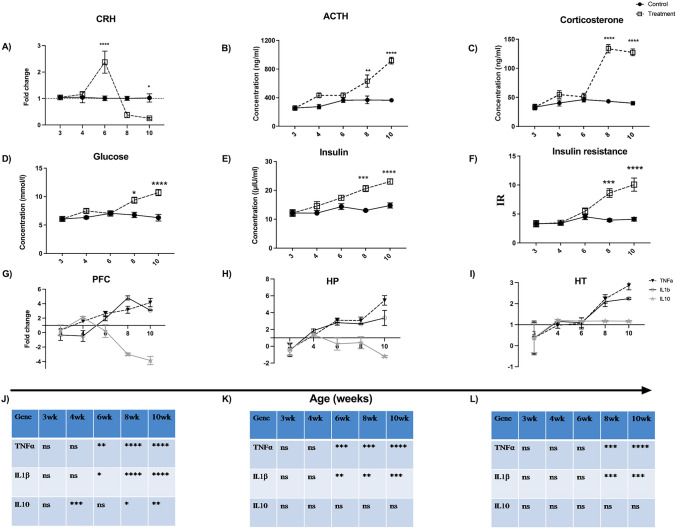
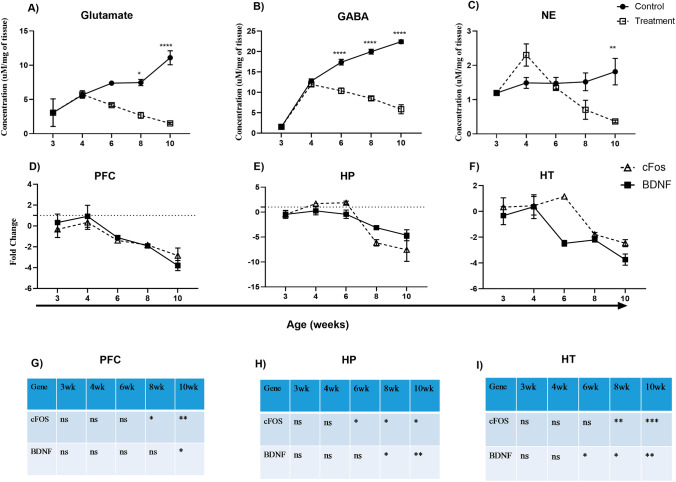
Antibiotics have become an excellent tool for understanding the role of gut microbes. While the effect of antibiotic treatment on adults is studied, its impact during adolescence is unclear. In the current study, we treated C57BL/6 mice with an antibiotic cocktail composed of nine antibiotics from weaning (3 weeks old) until they became young adults (10 weeks old). We investigated the effect of antibiotic treatment (1) on gut microbiota composition, (2) on the brain by studying the behavior, Hypothalamic-Pituitary-Adrenal (HPA axis), neuroinflammation, neurotransmitters, neuronal health, and appetite regulators, and (3) on systemic circulation by recording changes in the stress hormones, insulin resistance, and metabolic profile. In the gut, we found that the antibiotic treatment significantly increased the Proteobacteria and Actinobacteria while decreasing the Bacteroidetes phylum. In the brain, we observed HPA axis activation, elevated proinflammatory response, decline in neurotrophins, neurotransmitter abundance, and appetite regulators expression, which could be linked with behavioral changes. We found increased insulin resistance and altered metabolite profiles in the peripheral system. Moreover, our association study highlights the role of Proteobacteria and Actinobacteria in altering the host behavior, brain function, and systemic circulation. Altogether this study demonstrates, how prolonged antibiotic exposure during adolescence disrupts gut microbiota and is associated with physiological and behavioral alterations through gut peripheral system and brain interactions.
© 2025. The Author(s).
Conflict of interest statement
Declarations. Conflict of interest: The authors have no conflicts of interest to declare. Ethical Approval: The protocol used for animal studies has been approved by the Institutional Animal Ethical Committee (IAEC)-NISER, Bhubaneswar, India (NISER/SBS/AH-204). This paper doesn’t contain any human experiment.
Figures
References
-
- Ağagündüz D, Özata-Uyar G, Kocaadam-Bozkurt B, Özturan-Şirin A, Capasso R, Al-Assaf S, Özoğul F (2023) A comprehensive review on food hydrocolloids as gut modulators in the food matrix and nutrition: the hydrocolloid–gut–health axis. Food Hydrocoll 145:109068. 10.1016/j.foodhyd.2023.109068 - DOI
MeSH terms
Substances
LinkOut - more resources
Full Text Sources
Medical
