


Neural transmission in the wired brain, new insights into an encoding-decoding-based neuronal communication model
- PMID: 40819087
- PMCID: PMC12357859
- DOI: 10.1038/s41398-025-03506-0
Neural transmission in the wired brain, new insights into an encoding-decoding-based neuronal communication model
Abstract
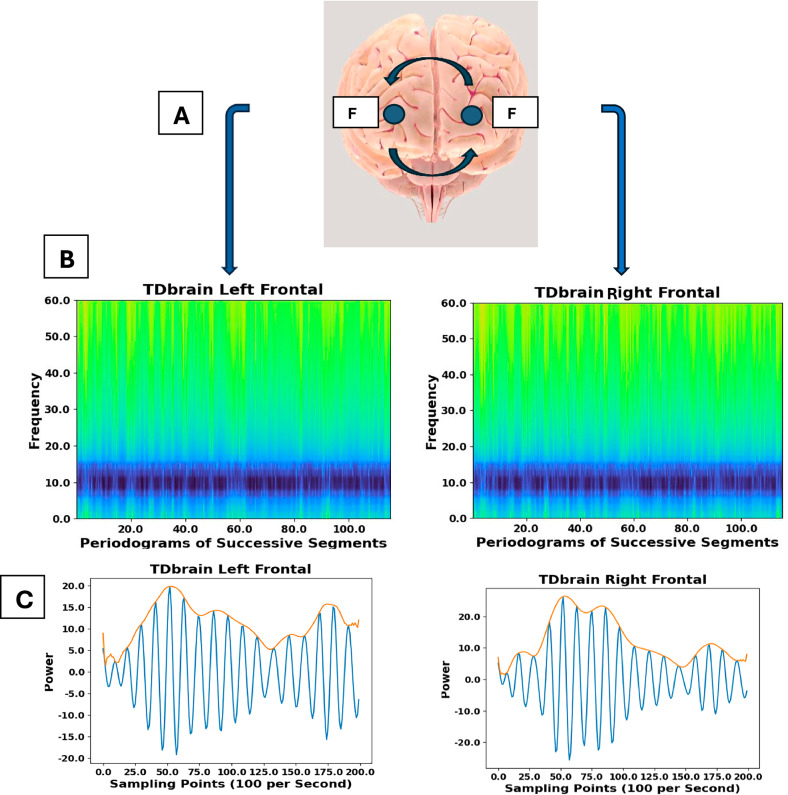
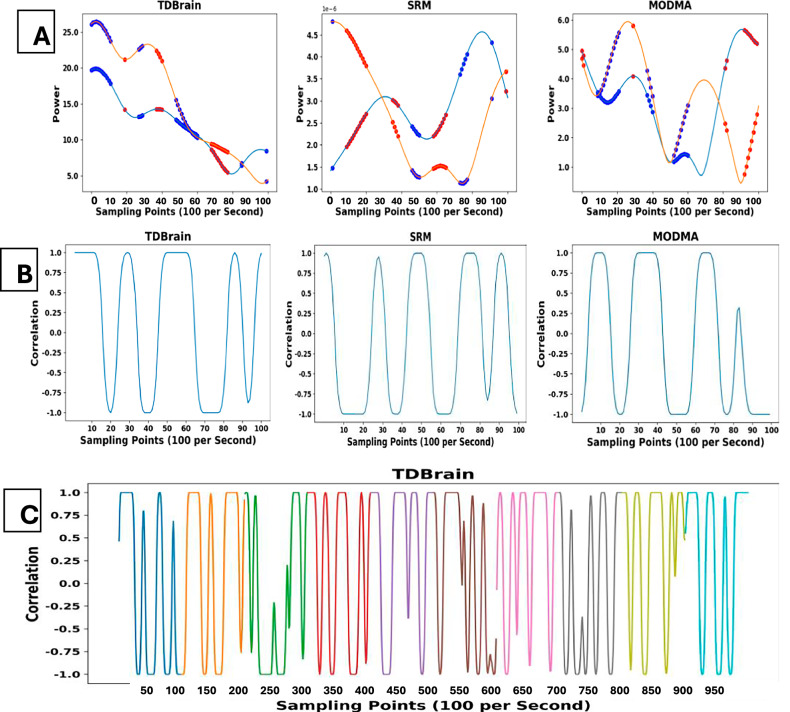
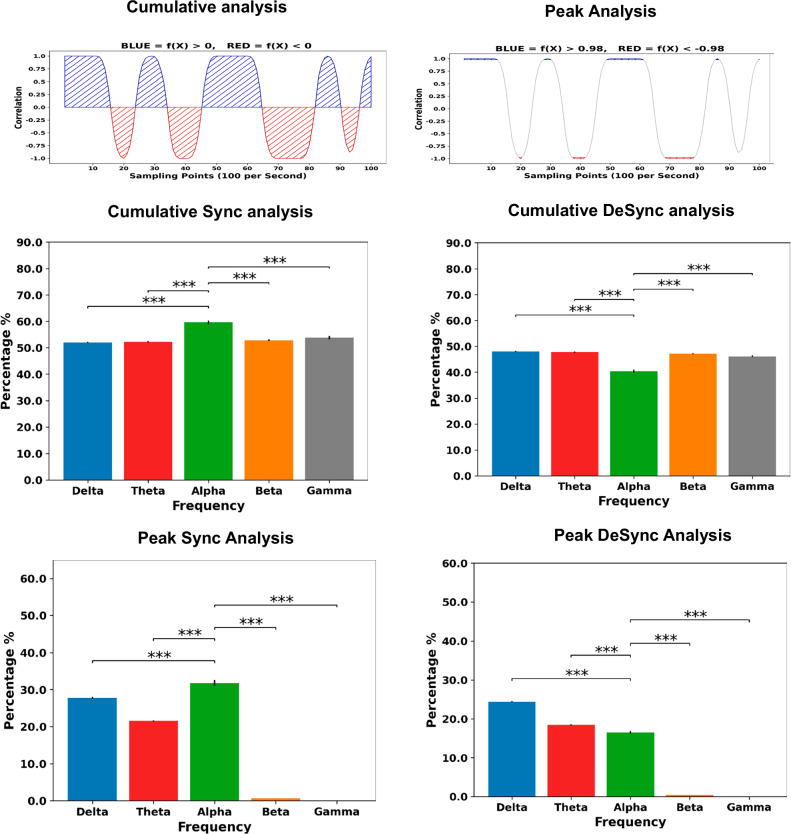
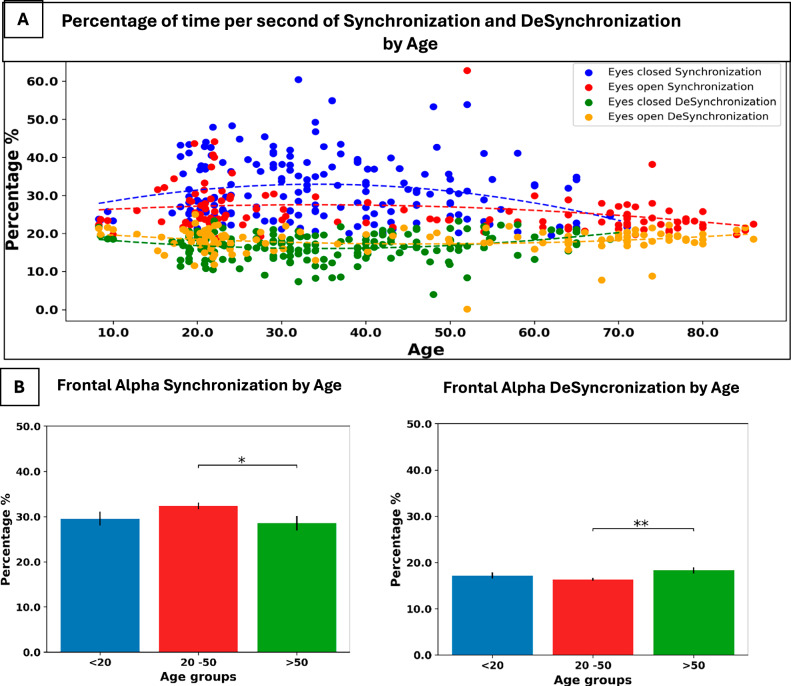
Brain activity is known to be rife with oscillatory activity in different frequencies, which are suggested to be associated with intra-brain communication. However, the specific role of frequencies in neuronal information transfer is still an open question. To this end, we utilized EEG resting state recordings from 5 public datasets. Overall, data from 1668 participants, including people with MDD, ADHD, OCD, Parkinson's, Schizophrenia, and healthy controls aged 5-89, were part of the study. We conducted a running window of Spearman correlation between the two frontal hemispheres' Alpha envelopes. The results of this analysis revealed a unique pattern of correlation states alternating between fully synchronized and desynchronized several times per second, likely due to the interference pattern between two signals of slightly different frequencies, also named "Beating". Subsequent analysis showed this unique pattern in every pair of ipsilateral/contralateral, across frequencies, either in eyes closed or open, and across all ages, underscoring its inherent significance. Biomarker analysis revealed significantly lower synchronization and higher desynchronization for people older than 50 compared to younger ones and lower ADHD desynchronization compared to age-matched controls. Importantly, we propose a new brain communication model in which frequency modulation creates a binary message encoded and decoded by brain regions for information transfer. We suggest that the binary-like pattern allows the neural information to be coded according to certain physiological and biological rules known to both the sender and recipient. This digital-like scheme has the potential to be exploited in brain-computer interaction and applied technologies such as robotics.
© 2025. The Author(s).
Conflict of interest statement
Competing interests: The author declares no competing interests. Ethics approval and consent to participate: All methods were performed in accordance with the relevant guidelines and regulations. Our study utilizes data from five publicly available databases that do not contain identifiable patient-level data, and as such, informed consent from individual participants was not required.
Figures


References
-
- Koch C, Massimini M, Boly M, Tononi G. Neural correlates of consciousness: progress and problems. Nat Rev Neurosci. 2016;17:307–21. - PubMed
-
- Mushtaq F, Welke D, Gallagher A, Pavlov YG, Kouara L, Bosch-Bayard J, et al. One hundred years of EEG for brain and behaviour research. Nat Hum Behav. 2024;8:1437–43. - PubMed
MeSH terms
Grants and funding
LinkOut - more resources
Full Text Sources
