


Applications of 3D models in cholangiocarcinoma
- PMID: 40823086
- PMCID: PMC12350147
- DOI: 10.3389/fonc.2025.1598552
Applications of 3D models in cholangiocarcinoma
Abstract
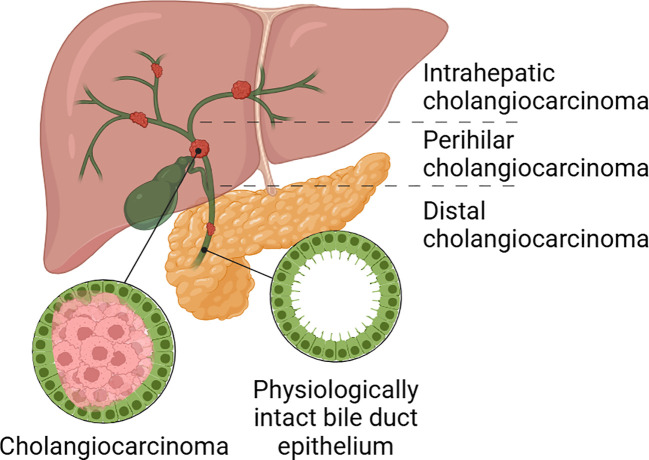
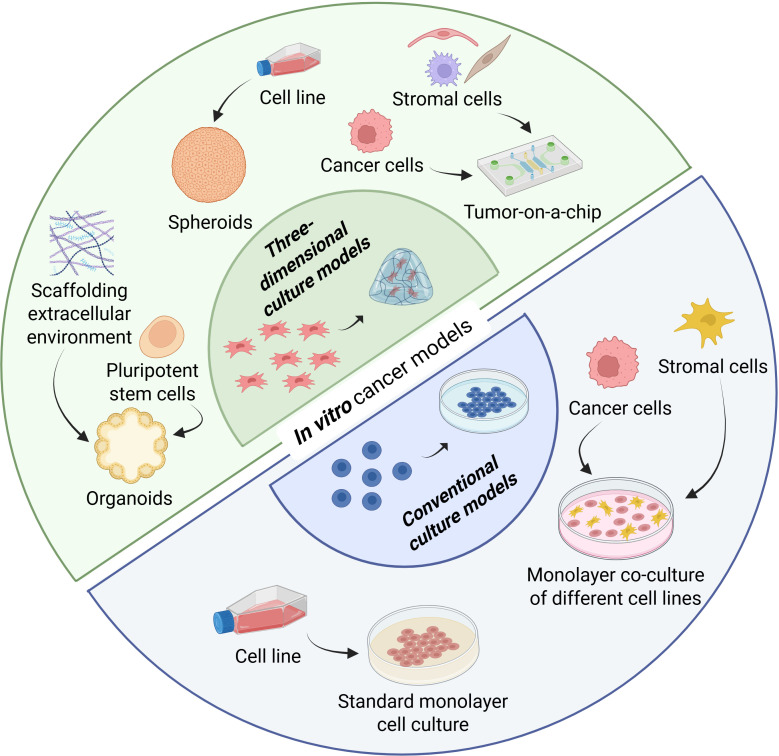
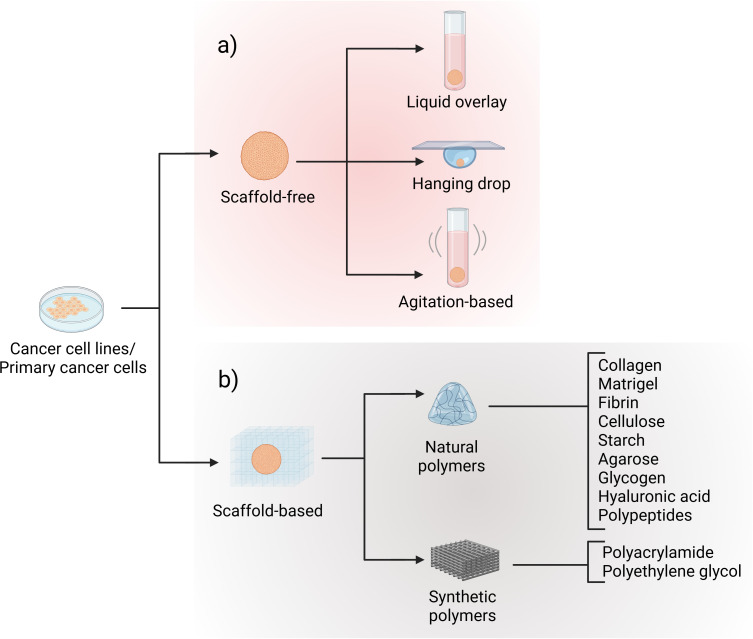
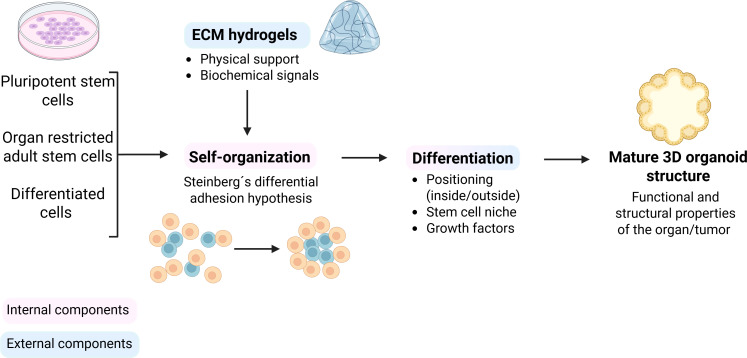
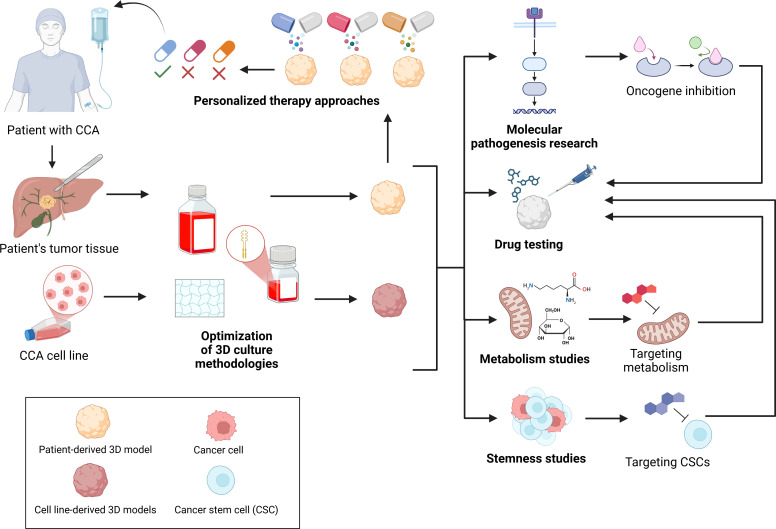
The prognosis for patients diagnosed with cholangiocarcinoma (CCA) is dismal, with an overall 5-year-mortality rate of 80%. Therapeutic approaches for this cancer are very limited and the only curative treatment is total surgical resection despite recent advancements in CCA research. However, only a minority of patients are eligible for surgery due to late-stage diagnosis. Therefore, there is an urgent need to gain a deeper understanding of CCA and to discover new treatments, which can be achieved by utilization and optimization of 3D tumor models. Traditional 2D cell culture is still undeniably important in cancer research, especially for the discovery of biomarkers and drug screening. However, classical 2D tumor models do not represent the tumor biology in its full complexity as they lack the vital interactions between cancer cells, angiogenesis, and tumor microenvironment. In recent years, 3D models, including spheroids, 3D co-culture systems, organoids, tumors-on-a-chip, and the in vivo chorioallantoic membrane (CAM) model, have been used for CCA research. These models enable the study of the tumor microenvironment, investigation of metastases, drug development and testing, cholangiocarcinogenesis and personalized therapy. This review summarizes the applications of the different 3D tumor models that have been used for the investigation of CCA. Moreover, the advantages and disadvantages of the different 3D tumor models are discussed, and suggestions for future research possibilities are described. By optimizing 3D models, the gap between basic research findings and clinical applications can be bridged, enabling the discovery of more effective therapies for CCA and other cancers.
Keywords: 3D (three-dimensional) models; CAM model; cancer; cholangiocarcinoma; in vitro cancer models; organoids; personalized medicine; tumor spheres.
Copyright © 2025 Montagner, Lemberger-Viehmann, Reitberger, Schmidt, Scheruebl, Pion, Wagner, Pilarsky, Grützmann, Aung, Hackl and Haerteis.
Conflict of interest statement
The authors declare that the research was conducted in the absence of any commercial or financial relationships that could be construed as a potential conflict of interest.
Figures
References
Publication types
LinkOut - more resources
Full Text Sources
Miscellaneous
