


Heatwave-driven persistent microbes threaten the resilience of Mediterranean coral holobionts
- PMID: 40842040
- PMCID: PMC12369214
- DOI: 10.1186/s40793-025-00765-8
Heatwave-driven persistent microbes threaten the resilience of Mediterranean coral holobionts
Abstract
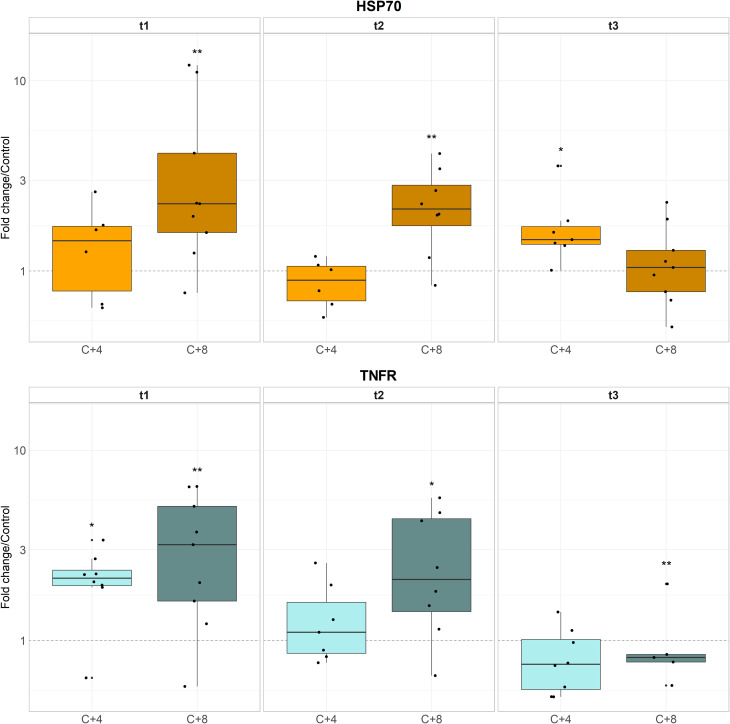
Background: The climate crisis poses a serious threat to octocorals in the Mediterranean Sea as marine heatwaves (MHWs) not only impair coral metabolism but also disrupt the complex symbiosis between the coral host and its microbiome. Since octocorals are the foundation species of the Mediterranean animal forests, understanding their resilience, i.e. ability to recover and survive to MHWs, is crucial to predict their viability under future climatic conditions. Using amplification of 16 S and 18 S rRNA genes for metabarcoding and qPCR analyses to follow the changes in bacterial microbiome and eukaryome as well as host response under stress and recovery conditions, this study provides the first comprehensive assessment of the resilience of an iconic Mediterranean octocoral (the red coral Corallium rubrum) to a mild (19 °C) and more severe (23 °C) heat stress.
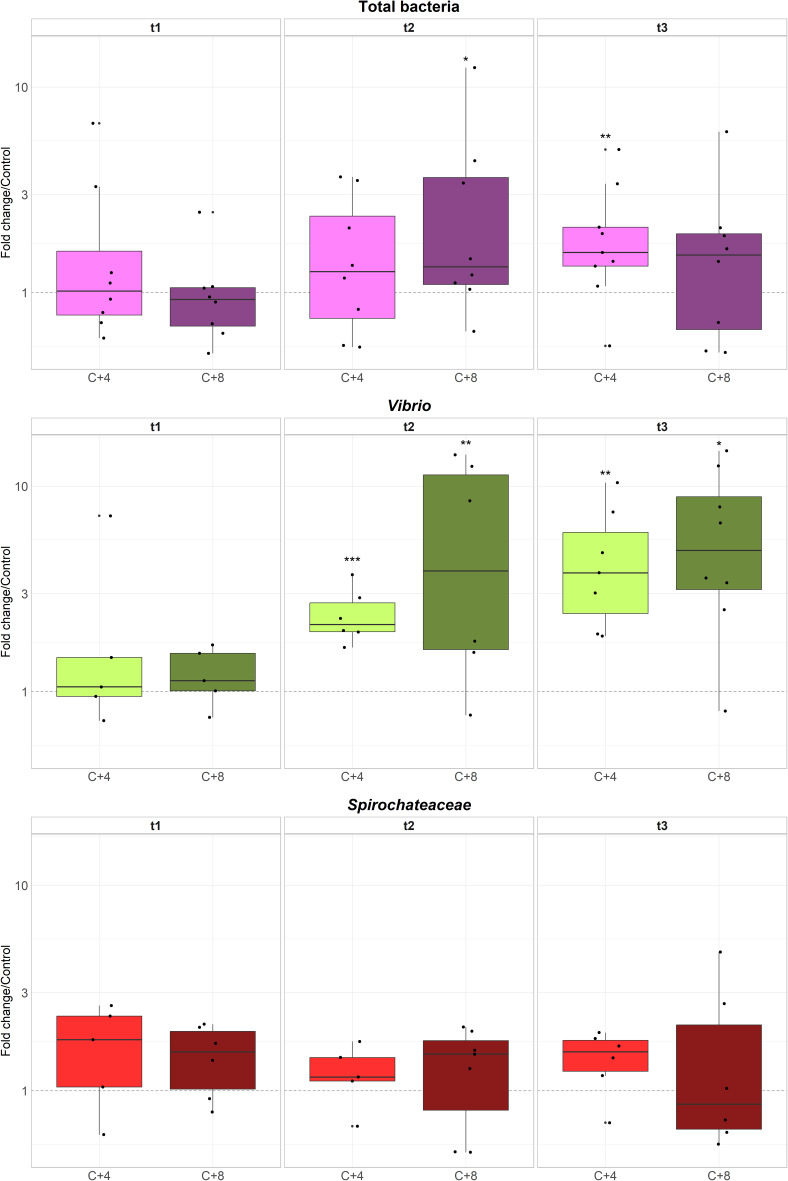
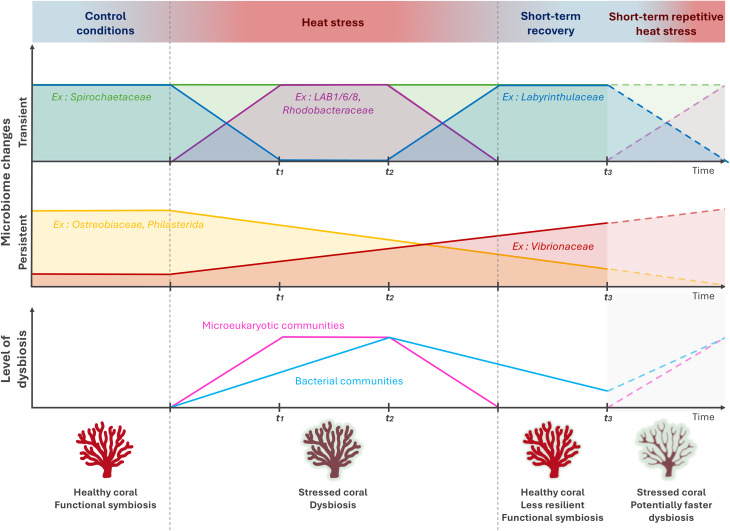
Results: The results of this work indicate a stress response of the host to elevated temperatures, even under mild temperature. The eukaryome was highly sensitive to heat stress and underwent rapid structural changes among the dominant microeukaryotes. In contrast, the relative and absolute abundance of the major bacterial symbionts remained stable throughout the stress. However, heat stress led to a significant increase in the abundance of some taxa such as Vibrionaceae that persisted after a week of recovery.
Conclusions: While the host recovered from the stress, and the microbiome largely returned to its original composition during recovery, the results highlight the persistent presence of some taxa that might compromise the short-term resilience of octocoral holobionts. This study provides new information on how octocoral holobionts respond to MHWs in the Mediterranean Sea. This knowledge is crucial for the development of effective, science-based strategies for coral protection and restauration.
Keywords: Bacteria; Climate change; Marine animal forests; Mass mortality events; Metabarcoding; Microbial communities; Microbiome; Microeukaryotes; Octocorals; Resilience; Temperate corals.
© 2025. The Author(s).
Conflict of interest statement
Declarations. Ethics approval and consent to participate: Not applicable. Consent for publication: Not applicable. Competing interests: The authors declare no competing interests.
Figures
References
-
- Wilkinson C. Status of coral reefs of the world :2008. Glob Coral Reef Monit Netw Reef Rainfor Res Cent Townsv Aust. 2008;296.
-
- Rossi S, Bramanti L, Gori A, Orejas C, editors. Marine Animal Forests: The Ecology of Benthic Biodiversity Hotspots [Internet]. Cham: Springer International Publishing; 2017 [cited 2023 Jan 26]. Available from: http://link.springer.com/10.1007/978-3-319-21012-4
-
- Paoli C, Montefalcone M, Morri C, Vassallo P, Bianchi CN. Ecosystem Functions and Services of the Marine Animal Forests. In: Rossi S, Bramanti L, Gori A, Orejas C, editors. Marine Animal Forests [Internet]. Cham: Springer International Publishing; 2017 [cited 2023 Jan 25]. pp. 1271–312. Available from: http://link.springer.com/10.1007/978-3-319-21012-4_38
-
- Orejas C, Carreiro-Silva M, Mohn C, Reimer J, Samaai T, Allcock AL, et al. Marine animal forests of the world: definition and characteristics. Res Ideas Outcomes. 2022;8:96274.
-
- Cerrano C, Bavestrello G, Bianchi CN, Cattaneo-vietti R, Bava S, Morganti C, et al. A catastrophic mass-mortality episode of gorgonians and other organisms in the Ligurian sea (North-western Mediterranean), summer 1999. Ecol Lett. 2000;3(4):284–93.
LinkOut - more resources
Full Text Sources