. 2025 Oct;17(10):2827-2846.
doi: 10.1038/s44321-025-00280-w. Epub 2025 Aug 22.

Spatial transcriptomics elucidates localized immune responses in atherosclerotic coronary artery

Affiliations

Spatial transcriptomics elucidates localized immune responses in atherosclerotic coronary artery

Joana Campos et al. EMBO Mol Med. 2025 Oct.

Abstract

Atherosclerosis is characterized by the accumulation of lipids and immune cells in the arterial wall, leading to the narrowing and stiffening of blood vessels. Innate and adaptive immunity are involved in the pathogenesis of human atherosclerosis. However, spatial organization and roles of immune cells during disease progression remain poorly understood. A better understanding of the immune response's contribution to atherosclerosis progression could unveil novel therapeutic targets to mitigate plaque development and rupture, ultimately reducing cardiovascular events burden. Here, we utilised GeoMx® and CosMx™ technologies to analyse serial sections of human coronary arteries from patients with varying degrees of atherosclerotic lesion severity. Our work comprises a series of investigations and integrates findings from both datasets, including pathway analyses, cell typing, and neighbourhood analysis. This workflow highlights the power of combining these spatial transcriptomics platforms to elucidate biological processes at the single-cell level. Our approach unbiasedly identifies molecules and pathways of relevance to support the understanding of atherosclerosis pathogenesis and assess the potential for novel therapies.

Keywords: Atherosclerosis; CosMx; GeoMx; Immune Cells; Spatial Omics.


Conflict of interest statement

Disclosure and competing interests statement. The authors declare no competing interests.

Figures

Figure 1
Figure 1. Histological analysis and workflow for GeoMx®.
(A) Representative haematoxylin and eosin (H&E) stained sections showing arterial lesions of varying severity (mild, moderate and severe). Specific regions are highlighted at a higher magnification to reveal morphological differences across lesion severity, indicating progressive changes from near normal to severe. (B) Workflow for spatial transcriptomics using GeoMx® DSP: slide preparation with morphology markers and ~18,000 oligo-conjugated RNA probes; selection of ROIs in each sample analysed; cleavage with UV light of barcodes from RNA probes; collection and release of collected barcodes onto a 96-well plate for all selected ROIs; generation of a cDNA library for next generation sequencing and upload of resulting sequencing data onto the GeoMx® DSP. (C) Fluorescent imaging of arterial lesions with varying severities, reflecting those shown at higher magnification in (A). Fluorescent imaging is a prerequisite for choosing regions of interest (ROIs) for downstream profiling by GeoMx. Samples were stained with SYTO13 (nuclear dye, blue), CD45 (pan-leucocyte marker, yellow) and CD4 (T cell subset marker, red). Representative ROIs chosen for downstream spatial profiling are indicated by white circles. Source data are available online for this figure.
Figure 2
Figure 2. Spatial transcriptomic profiling of arterial lesions using GeoMx®.
(A) Heatmap demonstrating the log2 fold change from the mean of gene expression of all targets post-QC. Heatmap is annotated by lesion severity (mild/normal and moderate/severe), CD45+ subset (CD45+CD4+ and CD45+CD4−), and tissue location (adventitia, infiltrated muscle layer and plaque). The scale bar represents log2 change from the mean gene expression. (B) Volcano plot exhibiting results of differentially expressed targets between CD45+ segments located in the adventitia and in the plaque (test: linear mixed model; test correction: Benjamini–Hochberg); n = 28 (Adventitia), 12 (Plaque). (C) Volcano plot displaying results of differentially expressed targets between CD45+ segments in the adventitia of early lesions (near normal/mild) and those located in the adventitia of advanced lesions (moderate/severe) (test: linear mixed model; test correction: Benjamini–Hochberg); n = 13 (near normal/mild), 12 (moderate/severe). (D) Box plots displaying counts of the top two differentially expressed genes in early (APOD and ADH1B) vs advanced lesions (CXCR4 and SPOCK2), as shown in (C); n = 3 (moderate), 5 (normal), 8 (mild) and 9 (severe). Centre line, median; box edges, interquartile ranges (25th and 75th percentiles); whiskers, 1.5 times the interquartile range; outliers are shown as individual points. (E) Overlays of APOD and SPOCK2 onto the immunofluorescence scan of a severe (left) and a mild (right) lesion, highlighting the targets’ expression in each profiled ROI. Overlay generated using the SpatialOmicsOverlay R package. The scale bar represents gene-normalised counts. Figure 1C was reused to create this panel. (F, G) Bar charts showing the estimated relative proportions of immune cell types in CD45-enriched (CD45+) segments located in the adventitia and in the plaque (F) or in the adventitia of early (near normal/mild) and advanced (moderate/severe) lesions (G). Source data are available online for this figure.
Figure 3
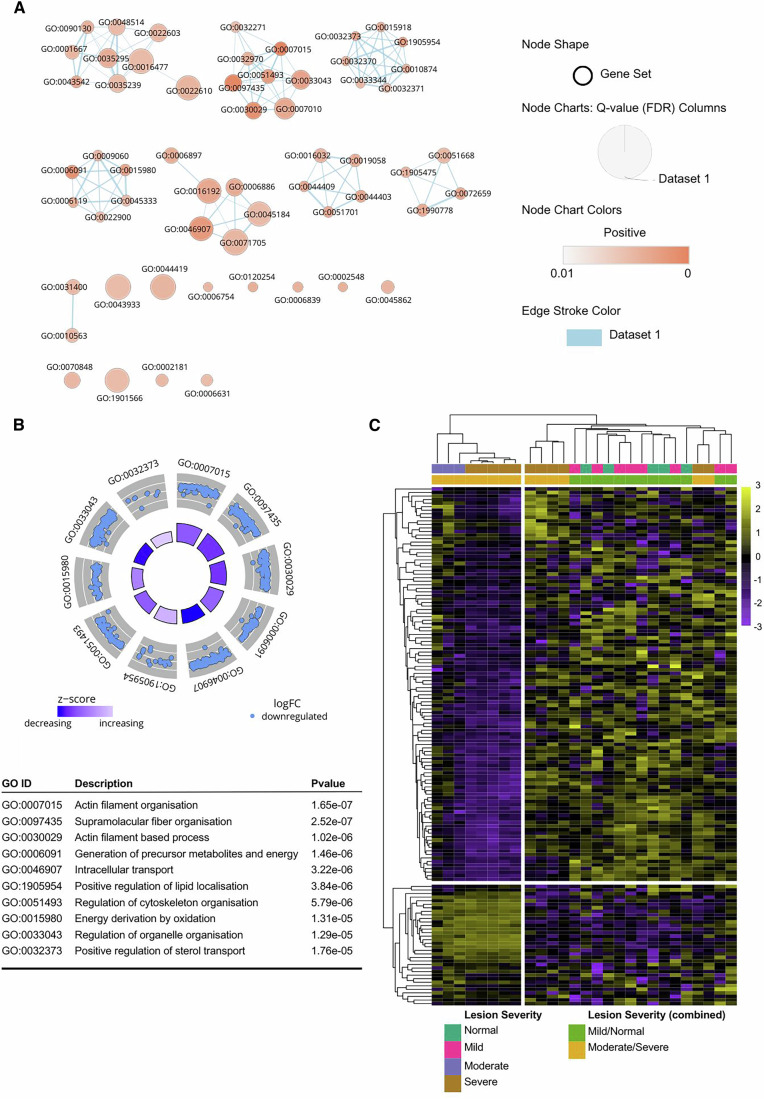
Figure 3. Pathway analysis from a spatially resolved GeoMx® dataset.
(A) Gene set analysis using the Biological Processes section of the Gene Ontology database reveals 58 differentially enriched pathways in CD45+ segments in the adventitia of early compared to advanced lesions as determined by fgsea. The enrichment map was produced with Cytoscape, where the size of each circular node represents the size of an enriched pathway. Jaccard similarity scores evaluated gene overlap between pathways, whereby a thicker line represents increasing similarity. Finally, nodes were coloured by the degree of enrichment (FDR value), whereby a deeper red indicates a more significant pathway. Only gene sets with an FDR <0.01 are shown. (B) GOCircle plot representing the top ten differentially enriched pathways. Scale bar represents z-score calculated as (up-regulated genes – down-regulated genes)/√total genes, indicating over (high z-score) or underrepresentation (low z-score) of genes in a pathway. Outer circle of the plot displaying a scatter plot for each pathway of the logFC of the assigned genes (each gene represented as a dot in the scatter plot). Inner circle plotting a bar plot where bar colour corresponds to z-score (blue, decreased; white, increased; and lavender, unchanged) and bar size reflects degree of significance (log10-adjusted P value). Description and p values for the top ten enriched pathways are also displayed. GOCircle plot generated using GOplot 1.0.2 R package. (C) Heatmap displaying log2 change from the mean of targets included in the top enriched pathway (GO:0007015 Actin Filament Organisation).
Figure 4
Figure 4. Workflow for single-cell spatial transcriptomics using the CosMx™ SMI platform.
(A) Schematic representation of steps involved in CosMx™ studies. (B) Immunofluorescence scans generated by CosMx of representative mild, moderate and severe lesions, depicting FOV placement. Sections were stained with DAPI (nuclear staining, not visible), B2M/CD298 (cell membrane markers, cyan), PanCK (pan-epithelial cell marker, green) and CD45 (pan-leucocyte marker, red). (C) Data analysis for CosMx™ was split between AtoMx™ and R; the diagram highlights which parts of the process were performed on which platform. (D) Plots displaying cells in the slide physical space for each lesion severity analysed. Left panel: all cells included in the dataset before the cell and FOV-filtering step. Right panel: cells remaining in the dataset post-cell and FOV filtering. Source data are available online for this figure.
Figure 5
Figure 5. Single-cell typing and target expression in CosMx datasets.
(A) Single cells from the entire post-QC dataset are identified in both the slide physical and UMAP spaces by their cell type, following supervised cell typing using Census vasculature signature. (B) UMAP plots for the dataset split by lesion severity. (C, D) APOD (C) and SPOCK2 (D) expression in individual cells are represented in the entire dataset UMAP plots. (E) Representative mild, moderate and severe lesions showing single cell typing in situ. An ATLO region is highlighted at a higher magnification to reveal its cellular composition available through supervised cell typing. (F) Single cell APOD and SPOCK2 expression levels in representative mild and severe lesions (including an ATLO). Source data are available online for this figure.
Figure 6
Figure 6. Quantifying cellular microenvironments across lesion severity.
(A) Violin plots depicting the percentage of different immune cell types (B cells, CD4+ memory T cells, CD4+ helper T cells, CD8+ cytotoxic T cells and macrophages) per field of view (FOV) across lesion severity (near normal, mild, moderate and severe). Only significant differences between cell densities across severities are shown (indicated by P values and tested with a Kruskal–Wallis non-parametric T- test. Dunn’s test was used for the pairwise test); n = 25 (near normal), 51 (mild), 52 (moderate) and 70 (severe). Box plots demonstrate the median as the centre line and the interquartile ranges (25th and 75th percentiles) as the enclosing box. Whiskers demonstrate the data range. (B) Cellular neighbourhood clusters were defined using the frequency of annotated populations within 20 mm of one another as input to clustering. Cellular neighbourhood clusters are shown in both physical space (left) and UMAP space (right). (C) Bar plot showing the frequency of neighbourhood clusters across lesion severity (near normal, mild, moderate and severe). Each bar represents the frequency of a cellular neighbourhood within a lesion severity. (D) Heatmap of cell type composition within each neighbourhood cluster. The heatmap illustrates the relative enrichment or depletion of different cell types within each cluster, with colours representing the z-score of enrichment (red – high, blue - low). Source data are available online for this figure.
Figure 7
Figure 7. Integrating GeoMx® and CosMx datasets: the current and the future.
(A) In situ expression of ANXA2 in a representative severe lesion in GeoMx® (top panel) and CosMx (bottom panel). Higher magnification boxes show ANXA2 expression in an ATLO. Figure 1C was reused to create this panel. (B) NanoString-provided workflow for spatial deconvolution of GeoMx® data. (C) Proposed workflow for spatial deconvolution utilising a CosMx-generated single cell matrix (from the same tissue) to inform cell estimates. Source data are available online for this figure.
Figure EV1
Figure EV1. Protein immunofluorescence staining and RNA-driven cell typing of the same region within an atherosclerotic vessel.
(A) Immunofluorescence scan generated by CosMx™ showing the full thickness of the coronary artery and (B) respective cell typing equivalent following supervised cell typing using Census vasculature signature.
Figure EV2
Figure EV2. A comparison of spatial deconvolution estimates using inbuilt matrices versus CosMx™ derived signatures.
(A) Heatmap of spatial deconvolution estimates using the inbuilt GeoMx® reference matrix 'safeTME'. Scaled abundances are shown as a ratio to the maximum value are displayed across five tissue localisations (adventitia, plaque, negative control, muscle and infiltrated muscle layer). 'Subsets' correspond to ROIs segmented on the GeoMx® platform and are highlighted. Cell types present in the safeTME matrix are indicated as rows. (B) Heatmap of the CosMx™-derived cell signature matrix. Census-annotated cell populations from the CosMx™ are represented as columns with rows representing genes on the CosMx™ platform. Genes are scaled from red to white, with red indicating a higher expression. (C) Heatmap of the genes present in the GeoMx® dataset from the CosMx™-derived cell signature matrix. (D) Heatmap of spatial deconvolution estimates using the CosMx™-derived matrix. Cell types present in the CosMx™-matrix are indicated as rows.

References

    1. Barcia Durán JG, Das D, Gildea M, Amadori L, Gourvest M, Kaur R, Eberhardt N, Smyrnis P, Cilhoroz B, Sajja S et al (2024) Immune checkpoint landscape of human atherosclerosis and influence of cardiometabolic factors. Nat Cardiovasc Res 3:1482–1502 - PMC - PubMed
    1. Basatemur GL, Jørgensen HF, Clarke MCH, Bennett MR, Mallat Z (2019) Vascular smooth muscle cells in atherosclerosis. Nat Rev Cardiol 16:727–744 - PubMed
    1. Bleckwehl T, Babler A, Tebens M, Maryam S, Nyberg M, Bosteen M, Halder M, Shaw I, Fleig S, Pyke C et al (2025) Encompassing view of spatial and single-cell RNA sequencing renews the role of the microvasculature in human atherosclerosis. Nat Cardiovasc Res 4:26–44 - PubMed
    1. Chen S, Zhu B, Huang S, Hickey JW, Lin KZ, Snyder M, Greenleaf WJ, Nolan GP, Zhang NR, Ma Z (2024) Integration of spatial and single-cell data across modalities with weakly linked features. Nat Biotechnol 42:1096–1106 - PMC - PubMed
    1. Cole JE, Park I, Ahern DJ, Kassiteridi C, Danso Abeam D, Goddard ME, Green P, Maffia P, Monaco C (2018) Immune cell census in murine atherosclerosis: cytometry by time of flight illuminates vascular myeloid cell diversity. Cardiovasc Res 114:1360–1371 - PMC - PubMed

MeSH terms

LinkOut - more resources