


Knowledge, attitudes, and practices regarding breast cancer screening and associated factors among female undergraduate students at Bonga University, Ethiopia
- PMID: 40866483
- PMCID: PMC12391499
- DOI: 10.1038/s41598-025-16549-6
Knowledge, attitudes, and practices regarding breast cancer screening and associated factors among female undergraduate students at Bonga University, Ethiopia
Abstract
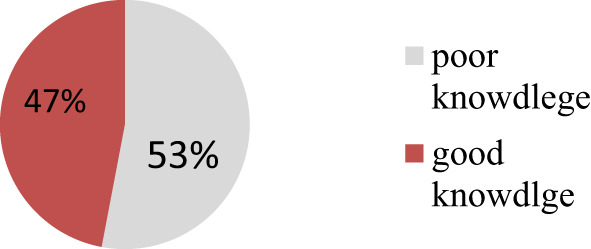
Breast cancer is a leading cause of cancer-related deaths among women worldwide. Screening aims to detect precancerous lesions and early-stage carcinomas in asymptomatic women, helping to reduce morbidity and mortality. Methods such as breast self-examination (BSE), clinical breast examination (CBE), and mammography play a vital role in early detection. However, in low-resource settings like Ethiopia, awareness and practice of these screening methods remain limited. Female university students represent a key group for prevention, yet little is known about their screening behaviors. This study aims to assess the knowledge, attitudes, and practices towards breast cancer screening, along with associated factors, among female regular undergraduate students at Bonga University. A cross-sectional study was conducted at Bonga University from March 11 to 12, 2020, involving 399 female undergraduate students selected through simple random sampling. Participants were invited to complete a structured questionnaire in a private, designated room to ensure confidentiality and reduce peer influence during data collection. Data were entered and analyzed using IBM SPSS version 22.0 (IBM Corp., Armonk, NY, USA). Bivariate logistic regression was initially performed to examine associations between the dependent and independent variables. Variables with a p-value < 0.25 in the bivariate analysis were included in the multivariable logistic regression model. Statistical significance was determined at a p-value < 0.05 with a 95% confidence interval. The study revealed that 211 participants (52.9%) demonstrated inadequate knowledge, 222 (55.6%) exhibited negative attitudes, and 319 (79.9%) reported poor practices regarding breast cancer screening. Factors significantly associated with limited knowledge included the absence of a family history of breast cancer (AOR = 4.5; 95% CI: 2-10), being a first-year student (AOR = 4; 95% CI: 1.3-3.3), rural residency, and being a second-year student (AOR = 2; 95% CI: 1.2-3.3). Negative attitudes were significantly associated with being unmarried (AOR = 7.1; 95% CI: 1.6-32), first-year student status (AOR = 7.5; 95% CI: 2.6-21.5), second-year student status (AOR = 6.5; 95% CI: 1.9-22), and the perception of not being at risk for breast cancer (AOR = 2.6; 95% CI: 1.07-6). Poor screening practices were significantly linked to the absence of a family history of breast cancer (AOR = 5.2; 95% CI: 2.2-12.2), being a first-year student (AOR = 5.5; 95% CI: 2.3-12.7), and belonging to a younger age group (AOR = 8.4; 95% CI: 1.6-42.5). The study revealed that a significant proportion of students at Bonga University had inadequate knowledge, negative attitudes, and poor practices related to breast cancer screening. Key contributing factors included lack of family history, younger age, rural residence, and first-year student. These findings underscore the need for targeted awareness campaigns, particularly among younger and rural students. Collaboration between Bonga University, health professionals, and local media is essential to improve knowledge and promote early detection through breast cancer screening.
Keywords: Associated factors; Attitude; Breast cancer screening; Knowledge; Practice.
© 2025. The Author(s).
Conflict of interest statement
Declarations. Competing interests: The authors declare no competing interests. Ethical approval: The study was conducted in accordance with the ethical principles outlined in the Declaration of Helsinki. Ethical approval for the study was granted by the Wollo University School of Nursing & Midwifery Research Committee (Ref. No. CMHS1351/11/12). Prior to participation, all respondents received information about the study’s purpose, potential benefits and risks, and were informed of their right to withdraw at any time without any consequences. The estimated time required to complete the questionnaire was also communicated. Confidentiality and anonymity were strictly maintained throughout data collection and analysis.
Figures



References
-
- WHO. Breast Cancer Early Diagnosis and Screening(Geneva, 2019).
MeSH terms
LinkOut - more resources
Full Text Sources
Medical
