


Global, regional, and national burden of caries in primary teeth from 1990 to 2021: results from the global burden of disease study 2021
- PMID: 40877804
- PMCID: PMC12395743
- DOI: 10.1186/s12903-025-06691-y
Global, regional, and national burden of caries in primary teeth from 1990 to 2021: results from the global burden of disease study 2021
Abstract
Objective: To investigate the disease burden of caries in primary teeth across global, 21 regions, and 204 countries and territories from 1990 to 2021.
Methods: Data on caries in primary teeth from 1990 to 2021 were obtained from the Global Burden of Disease (GBD) 2021 Study. The global incidence, prevalence of caries in primary teeth associated disability-adjusted life years (DALYs) were analyzed. The burden of the disease and temporal trends were quantified by calculating the age-standardized rate (ASR) and estimated annual percentage changes (EAPCs). To evaluate the distributional disparities in the burden of caries in primary teeth, the slope index of inequality (SII) was used. Additionally, a frontier analysis was performed to pinpoint areas for improvement and examine disparities between countries according to their levels of development.
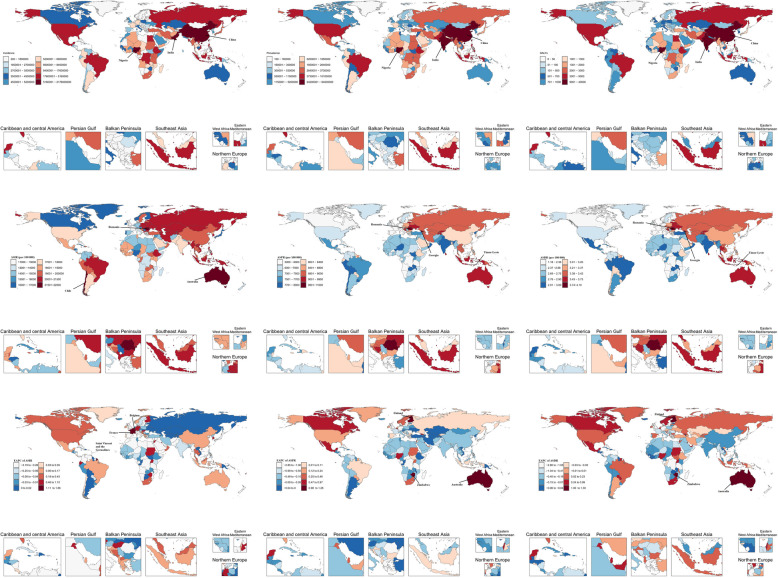
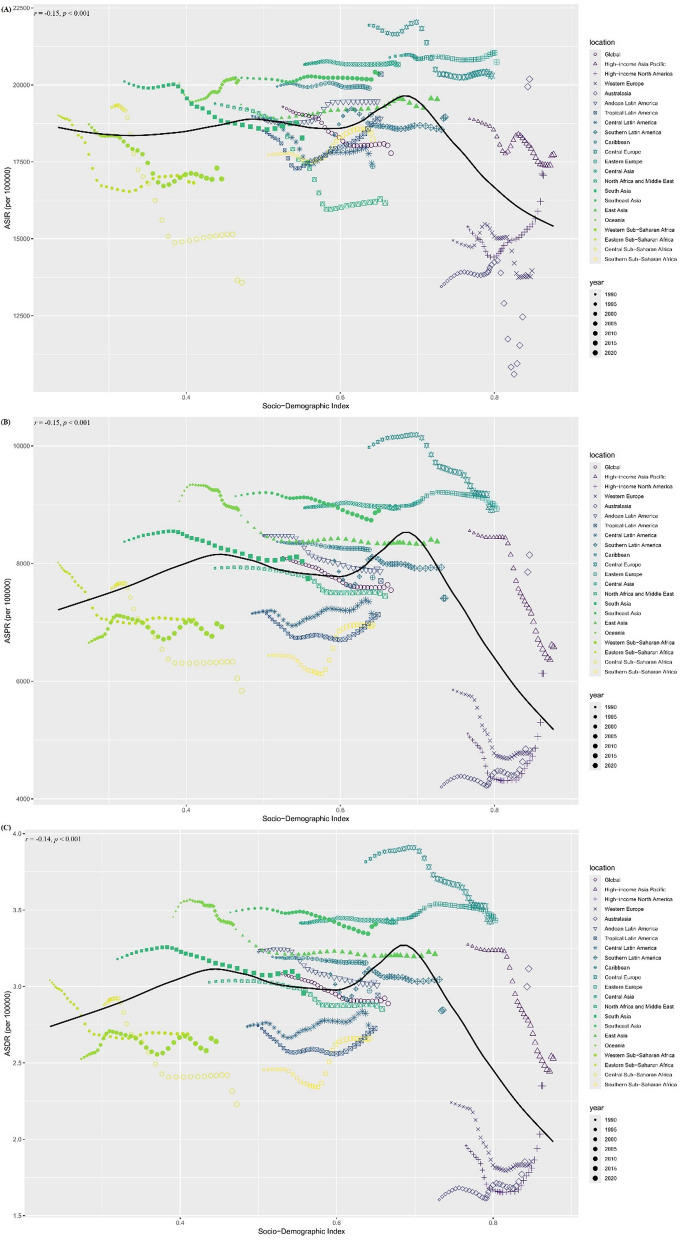
Results: From 1990 to 2021, the ASR of incidence, prevalence, and DALYs declined globally. In 2021, Eastern Europe had the highest ASR for the incidence and DALYs of caries in primary teeth, with Romania being the country bearing the greatest disease burden. The burden of caries in primary teeth was negatively associated with sociodemographic index (SDI) across the 21 GBD regions. The SII of each indicator decreased from 1990 to 2021. Many countries, regardless of their level of development, have considerable potential to reduce the burden of caries in primary teeth.
Conclusion: The global burden of caries in primary teeth is in a state of alleviation. However, health inequalities in caries in primary teeth related to SDI have continued for over 30 years. The high burden of caries in primary teeth is concentrated in low- and middle-income countries. Active and effective prevention and strong management strategies are needed in specific regions to reduce the burden of caries in primary teeth and achieve equity in health outcomes.
Keywords: Disability-adjusted life years, Health inequalities, Incidence, Primary teeth, Prevalence.
© 2025. The Author(s).
Conflict of interest statement
Declarations. Ethics approval and consent to participate: Not applicable. Consent for publication: Not Applicable. Competing interests: The authors declare no competing interests.
Figures



References
-
- Huang G, Cao G, Liu J, Liu M. Global trends in incidence of caries in permanent teeth of children aged 5 through 14 years, 1990 through 2019. J Am Dent Assoc. 2024;155(8):667-678.e21. - PubMed
-
- Peres MA, Macpherson LMD, Weyant RJ, et al. Oral diseases: a global public health challenge. Lancet. 2019;394(10194):249–60. - PubMed
-
- Prieto-Regueiro B, Gómez-Santos G, Reichard-Monefeldt G, Diéguez-Pérez M. Caries indicators in relation to healthcare access and hygienic-dietary habits in Spanish preschoolers. Int J Dent Hyg. 2024;22(3):736–48. - PubMed
-
- Chou R, Pappas M, Dana T, et al. Screening and interventions to prevent dental caries in children younger than 5 years: updated evidence report and systematic review for the US preventive services task force. JAMA. 2021;326(21):2179–92. - PubMed
-
- Joufi AI, Claiborne DM, Shuman D. Oral health education and promotion activities by early head start programs in the United States: a systematic review. J Dent Hyg. 2021;95(5):14–21. - PubMed
MeSH terms
Grants and funding
LinkOut - more resources
Full Text Sources
Medical
