


Germination ecology and environmental influences on prickly golden fleece (Urospermum picroides) and implications for weed management
- PMID: 40890249
- PMCID: PMC12402179
- DOI: 10.1038/s41598-025-17501-4
Germination ecology and environmental influences on prickly golden fleece (Urospermum picroides) and implications for weed management
Abstract
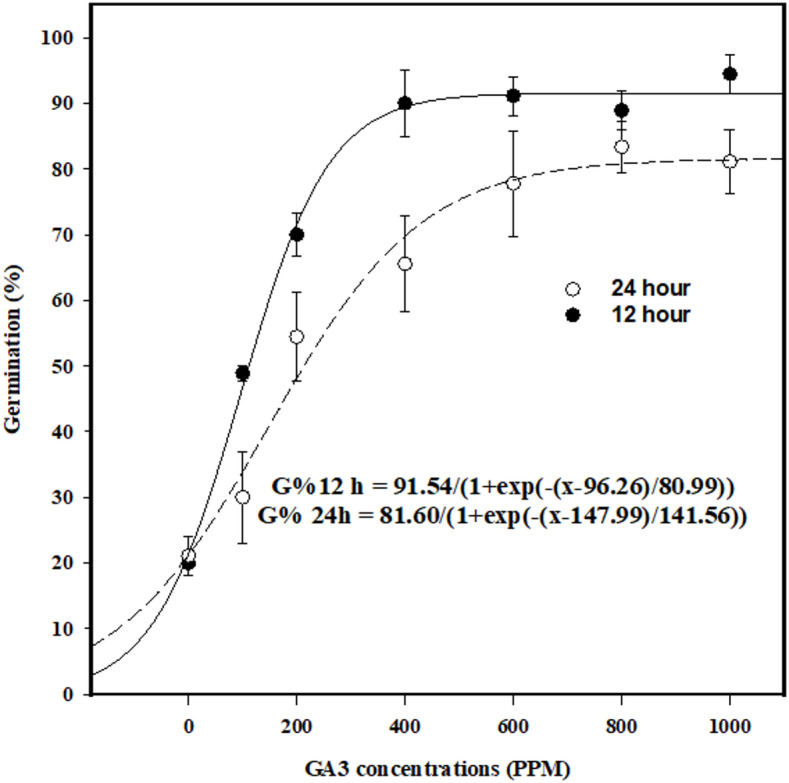
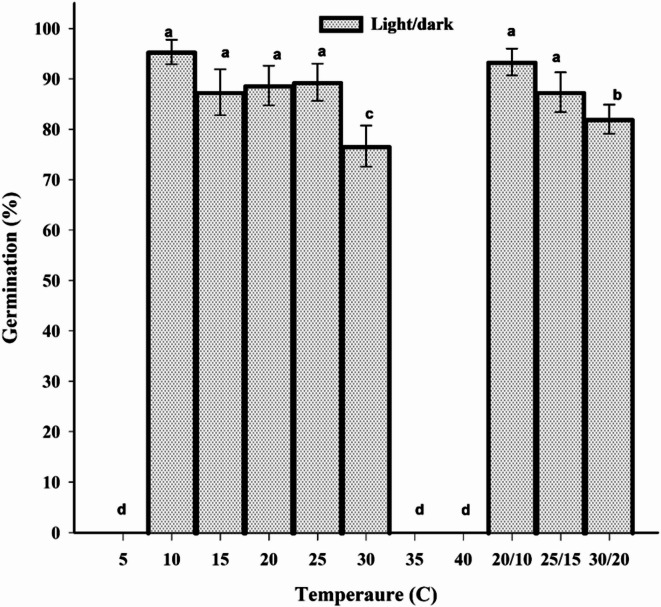
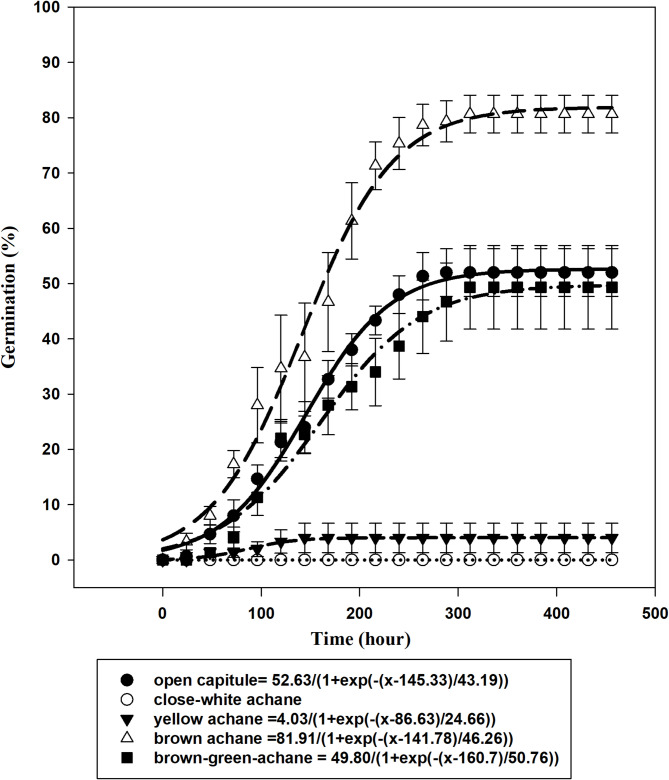
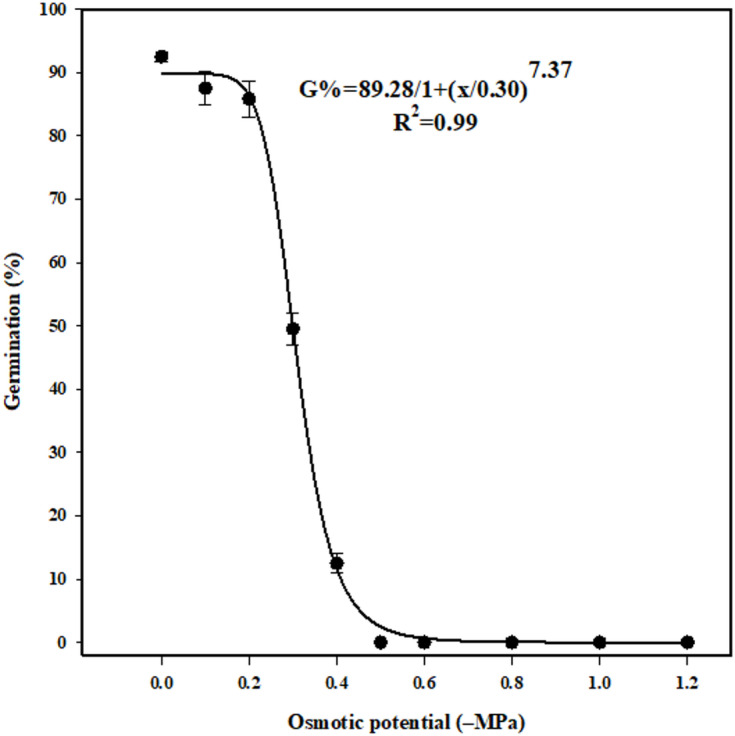
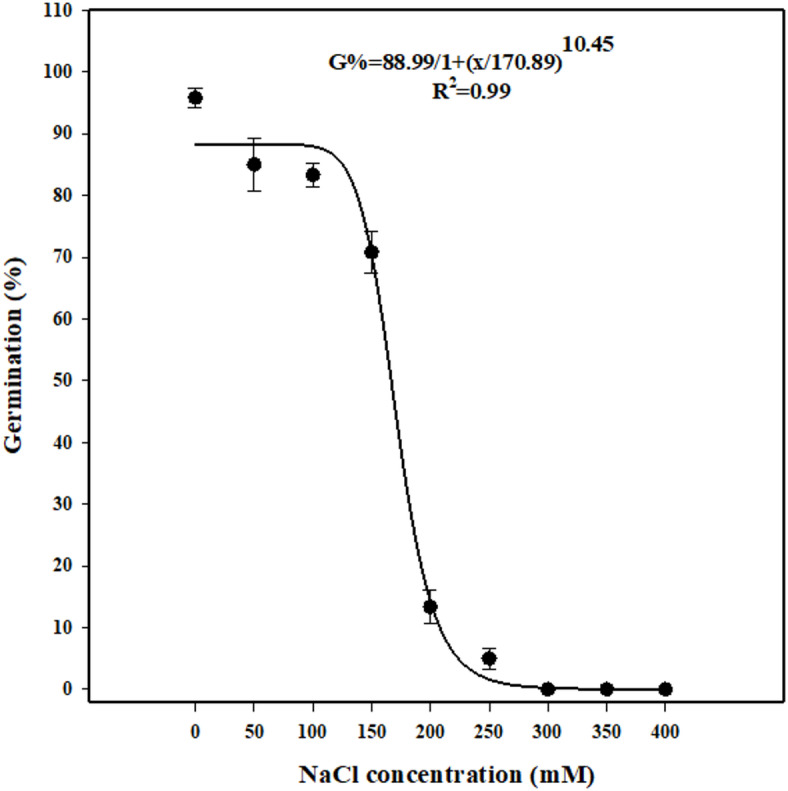
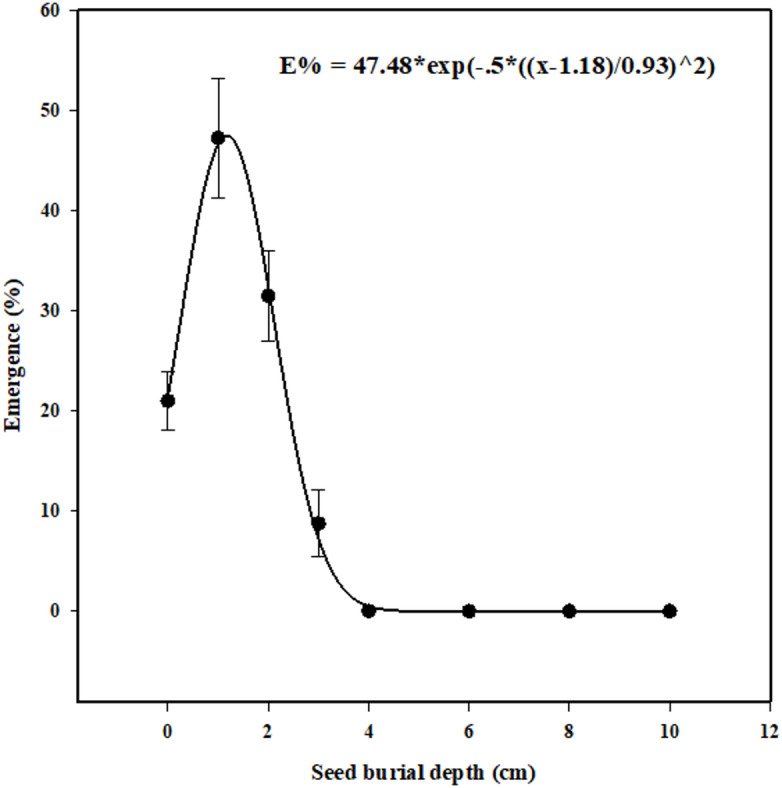
Knowledge of the germination ecology of weed species provides information about their potential aggressiveness and helps develop effective weed management strategies. Therefore, the influence of gibberellic acid (GA3) and environmental factors (temperature, light, osmotic stress, salinity, cutting times, and seed burial depth) was evaluated on seed germination and seedling emergence of Urospermum picroides a winter annual weed. The results indicated that maximum seed germination was 94% and 83% when seeds were soaked for 12 and 24 h with 1000 and 800 ppm of GA3, respectively. Seed germination was not influenced by light conditions but was influenced by temperature. The highest germination percentages (95% and 93%) occurred at a constant temperature of 30 °C and an alternating temperature of 20/10°C, respectively. In response to light, the results showed that U. picroides is non-photoblastic and can germinate in darkness. Seed germination in response to different cutting times demonstrated that maximum germination was observed in brown achenes (81%), while minimum germination was obtained in white (0%) and yellow (4%) achene stages. Seed germination decreased from 92.5 to 12.5% as water potentials decreased from 0 to -0.4 MPa, and germination was completely inhibited at -0.5 MPa. The salt concentration required for a 50% reduction in maximum germination was estimated at 170 mM NaCl. Maximum seedling emergence occurred at an optimal burial depth of 1.18 cm. In conclusion, this study indicated that at lower soil depths, U. picroides is likely more fit than other species under conditions of low to moderate water and saline stress.
Keywords: Burial depth; Cutting time; Growth hormone; Osmotic potential; Salinity.
© 2025. The Author(s).
Conflict of interest statement
Declarations. Competing interests: The authors declare no competing interests. Ethical statement: The authors declare that they have no known competing financial interests or personal relationships that could have appeared to influence the work reported in this paper.
Figures

References
-
- Strzelecka, M. et al. Anti-inflammatory effects of extracts from some traditional mediterranean diet plants. J. Physiol. Pharmacol. Supplement. 56, 139–156 (2005). - PubMed
-
- Alper, M. & Güneş, H. Determination of anticancer effects of Urospermum Picroides against human cancer cell lines. Int. J. Secondary Metabolite. 6, 28–37 (2019).
-
- Al-Mawla, A. H. & Abu-Serag, N. A. Determination of bioactive compounds in leaves of Urospermum Picroides (L.) Desf. Plant. Archives. 19, 1299–1308 (2019).
-
- Anaclerio, M., Renna, M., Di Venere, D., Sergio, L. & Santamaria, P. Smooth golden fleece and prickly golden fleece as potential new vegetables for the Ready-to-Eat production chain. Agriculture11, 74 (2021).
-
- El-Amier, Y., Al-hadithy, O. & Abdullah, T. Antioxidant and antimicrobial activity of different extracts obtained from aerial parts of Urospermum Picroides (L.) FW from Egypt. J. Adv. Chem. Sci., 299–301 (2016).
MeSH terms
Substances
LinkOut - more resources
Full Text Sources
