


Effects of sevoflurane inhalation anesthesia versus propofol intravenous anesthesia on postoperative cognitive function in patients with malignant tumors: A meta-analysis
- PMID: 40898543
- PMCID: PMC12401349
- DOI: 10.1097/MD.0000000000043342
Effects of sevoflurane inhalation anesthesia versus propofol intravenous anesthesia on postoperative cognitive function in patients with malignant tumors: A meta-analysis
Abstract
Background: Both propofol and sevoflurane, commonly used anesthetics, may cause brain oxygen metabolism abnormalities potentially linked to postoperative cognitive dysfunction (POCD), though their precise relationship with POCD requires further study.
Objective: To systematically evaluate sevoflurane inhalation versus propofol intravenous anesthesia effects on postoperative cognitive function in cancer patients.
Methods: We searched PubMed, EMbase, Cochrane Library, CBM, CNKI, Wanfang, VIP, and Chinese Biomedical Literature databases (from January 10, 2023) using keywords including Anaesthesia, Anesthetic Agents, Neoplasm, Cancer, Cognition, and Cognitive Function. Only human randomized controlled trials (RCTs) and prospective cohort studies were included; no language restrictions applied.
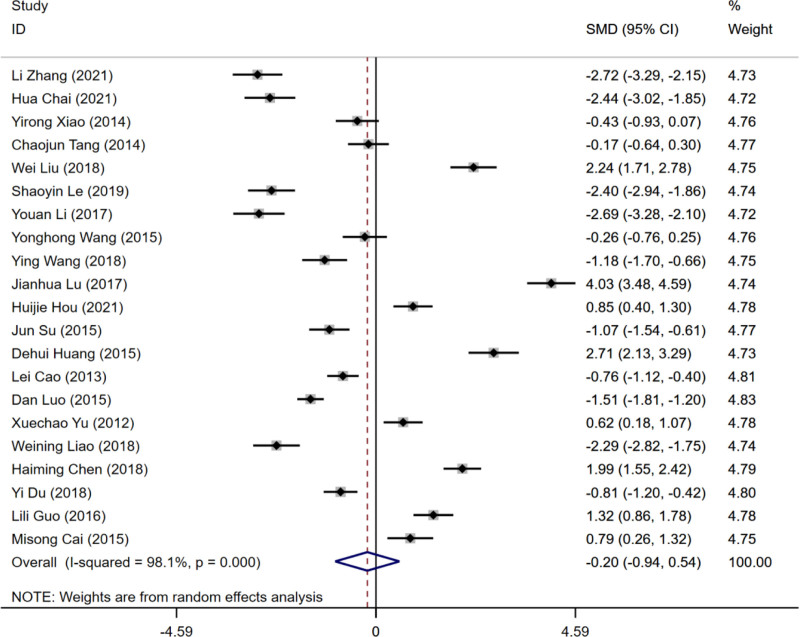
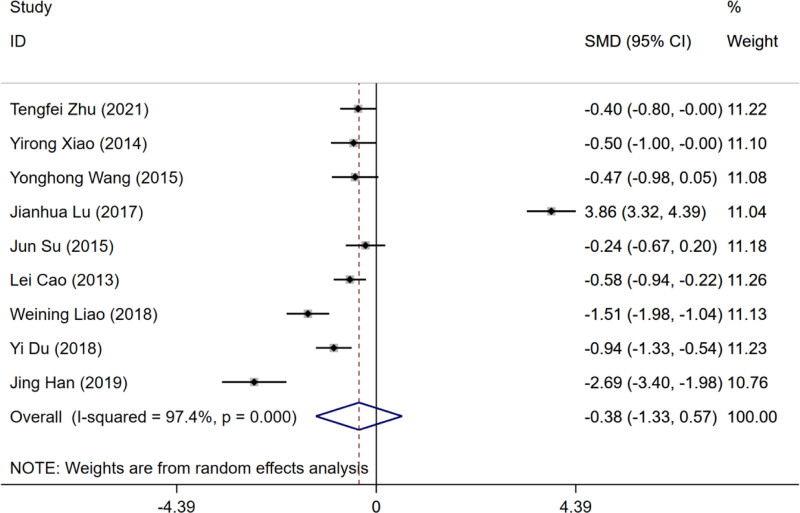
Results: 41 studies met criteria (40 RCTs, 1 cohort), involving 4342 patients (2171 sevoflurane, 2171 propofol). Meta-analysis: Overall POCD incidence showed no significant difference between groups. Subgroup analysis revealed significantly increased POCD with sevoflurane at unspecified postoperative times. No significant differences were found at 6 hours, 7 days, or 3 months. Significantly decreased POCD with sevoflurane was observed at 1 and 3 days postoperatively. Preoperative Mini-Mental State Examination (MMSE) scores showed no significant difference. Overall postoperative MMSE scores also showed no significant difference. However, MMSE scores were significantly lower in the sevoflurane group at 1, 3, 6, and 12 hours postoperatively. No significant differences were found at 1, 2, 3, 5, 7 days, or 1 month.
Conclusion subsections: Sevoflurane and propofol anesthesia may exert differing short-term, but not long-term, negative impacts on cognitive function in cancer patients. Overall, no significant difference exists in their effects on postoperative cognitive function.
Keywords: anesthesia; cognitive dysfunction; malignant tumor; meta-analysis; neuropsychological tests; postoperative cognitive complications; propofol; sevoflurane.
Copyright © 2025 the Author(s). Published by Wolters Kluwer Health, Inc.
Conflict of interest statement
The authors have no funding and conflicts of interest to disclose.
Figures




References
-
- Sekandarzad MW, van Zundert AAJ, Lirk PB, Doornebal CW, Hollmann MW. Perioperative anesthesia care and tumor progression. Anesth Analg. 2017;124:1697–708. - PubMed
-
- Kim R. Anesthetic technique and cancer recurrence in oncologic surgery: unraveling the puzzle. Cancer Metastasis Rev. 2017;36:159–77. - PubMed
-
- Steinmetz J, Christensen KB, Lund T, Lohse N, Rasmussen LS; ISPOCD Group. Long-term consequences of postoperative cognitive dysfunction. Anesthesiology. 2009;110:548–55. - PubMed
-
- Fang F, Lin W, Ling X, et al. The hippocampal cyclin D1 expression is involved in postoperative cognitive dysfunction after sevoflurane exposure in aged mice. Life Sci. 2016;160:34–40. - PubMed
Publication types
MeSH terms
Substances
LinkOut - more resources
Full Text Sources
Medical
Miscellaneous
