


Waste robusta coffee husk pectin: ultrasound-assisted extraction and applications in roselle flower marmalade and fruit coating
- PMID: 41050612
- PMCID: PMC12495406
- DOI: 10.1039/d5ra05086c
Waste robusta coffee husk pectin: ultrasound-assisted extraction and applications in roselle flower marmalade and fruit coating
Abstract
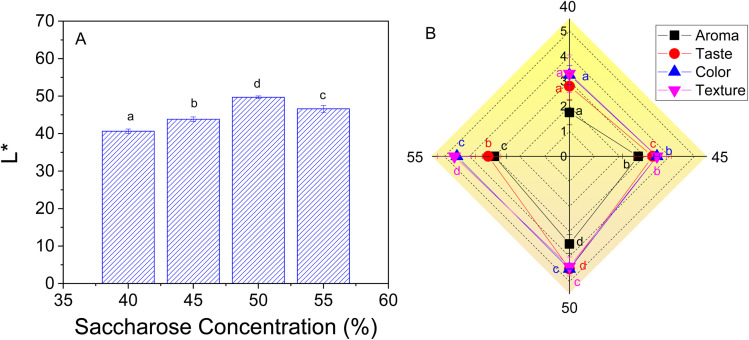
This study demonstrates the valorization of robusta coffee husk as a sustainable source of pectin via ultrasound-assisted extraction (UAE). The optimized process yielded 16.4% pectin with favorable gelling and physicochemical properties, comparable to commercial citrus pectin. In food application, incorporation of 0.5% coffee husk pectin into roselle marmalade, together with 1.0% citric acid and 50% sucrose, produced a desirable texture and sensory quality. In packaging application, the extracted pectin was blended with chitosan to form biofilms enriched with curcumin (CPC) or pomegranate peel extract (CPP). These composite films exhibited enhanced stability and antioxidant activity, with CPP showing the strongest effect. Postharvest trials confirmed that CPP coatings extended the storage of lychee and Japanese plum by reducing weight loss and preserving texture compared to CPC and uncoated controls. This work highlights the multifunctional potential of coffee husk-derived pectin as a food ingredient and active packaging material, contributing to waste upcycling and circular bioeconomy strategies.
This journal is © The Royal Society of Chemistry.
Conflict of interest statement
The authors of this paper state that they have no competing financial interests or personal relationships that could have influenced the reported work.
Figures




References
-
- Rotta N. M. Curry S. Han J. Reconco R. Spang E. Ristenpart W. Donis-González I. R. Resour., Conserv. Recycl. 2021;170:105554. doi: 10.1016/j.resconrec.2021.105554. - DOI
-
- Magar S. B. Thagunna B. Lamichhane B. Pokhrel B. Kaur J. Int. J. Food Ferment. Technol. 2023;13:87–94.
-
- Oliveira L. S. and Franca A. S., Coffee in Health and Disease Prevention, 2015, pp. 283–291
-
- Tamilselvan K. Sundarajan S. Ramakrishna S. Amirul A.-A. A. Vigneswari S. Food Bioprod. Process. 2024;145:187–202. doi: 10.1016/j.fbp.2024.03.008. - DOI
-
- Tsigkou K. Demissie B. A. Hashim S. Ghofrani-Isfahani P. Thomas R. Mapinga K. F. Kassahun S. K. Angelidaki I. Renewable Sustainable Energy Rev. 2025;210:115263. doi: 10.1016/j.rser.2024.115263. - DOI
LinkOut - more resources
Full Text Sources
