


Modeling neurodegeneration in the retina and strategies for developing pan-neurodegenerative therapies
- PMID: 41088409
- PMCID: PMC12523214
- DOI: 10.1186/s13024-025-00858-5
Modeling neurodegeneration in the retina and strategies for developing pan-neurodegenerative therapies
Abstract
Background: Glaucoma Research Foundation's third Catalyst for a Cure team (CFC3) was established in 2019 to uncover new therapies for glaucoma, a leading cause of blindness. In the 2021 meeting "Solving Neurodegeneration," (detailed in Mol Neurodegeneration 17(1), 2022) the team examined the failures of investigational monotherapies, issues with translatability, and other significant challenges faced when working with neurodegenerative disease models. They emphasized the need for novel, humanized models and proposed identifying commonalities across neurodegenerative diseases to support the creation of pan-neurodegenerative disease therapies. Since then, the fourth Catalyst for a Cure team (CFC4) was formed to explore commonalities between glaucoma and other neurodegenerative diseases. This review summarizes outcomes from the 2023 "Solving Neurodegeneration 2" meeting, a forum for CFC3 and CFC4 to share updates, problem solve, plan future research collaborations, and identify areas of unmet need or opportunity in glaucoma and the broader field of neurodegenerative disease research.
Main body: We summarize the recent progress in the field of neurodegenerative disease research and present the newest challenges and opportunities moving forward. While translatability and disease complexity continue to pose major challenges, important progress has been made in identifying neuroprotective targets and understanding neuron-glia-vascular cell interactions. New challenges involve improving our understanding of the disease microenvironment and timeline, identifying the optimal approach(es) to neuronal replacement, and finding the best drug combinations and synergies for neuroprotection. We propose solutions to common research questions, provide prescriptive recommendations for future studies, and detail methodologies, strategies, and approaches for addressing major challenges at the forefront of neurodegenerative disease research.
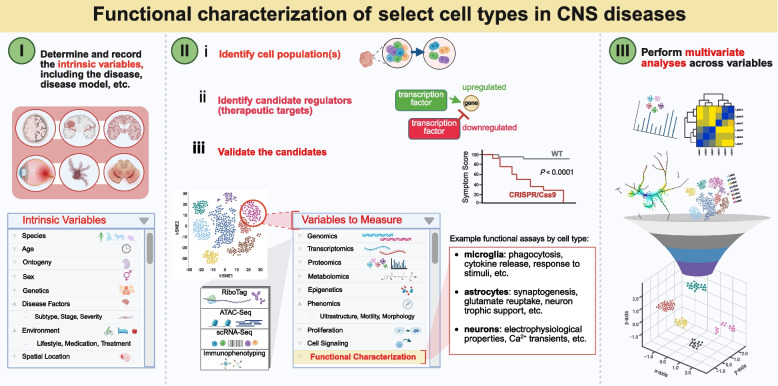
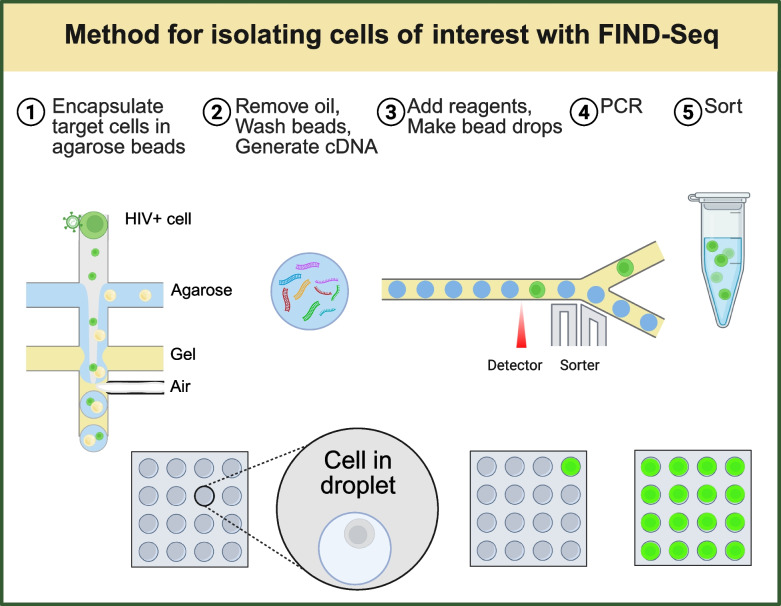
Conclusions: This review is intended to serve as a research framework, offering recommendations and approaches to validating neuroprotective targets, investigating rare cell types, performing cell-specific functional characterizations, leveraging novel adaptations of scRNAseq, and performing single-cell sorting and sequencing across neurodegenerative diseases and disease models. We focus on modeling neurodegeneration using glaucoma and other neurodegenerative pathologies to investigate the temporal and spatial dynamics of neurodegenerative disease pathogenesis, suggesting researchers aim to identify pan-neurodegenerative drug targets and drug combinations leverageable across neurodegenerative diseases.
Keywords: Alzheimer’s Disease; Amyotrophic lateral sclerosis; Glaucoma; Glia; Neurodegeneration; Neuroinflammation; Neuroprotection; Parkinson’s Disease; Retinal ganglion cells; Retinal pathologies.
© 2025. The Author(s).
Conflict of interest statement
Declarations. Ethics approval and consent to participate: Not applicable. Consent for publication: Not applicable. Competing interests: The authors declare no competing interests.
Figures




References
-
- Siegel RL, Miller KD, Wagle NS, Jemal A. Cancer statistics, 2023. CA Cancer J Clin. 2023;73(1):17–48. - PubMed
-
- Kochanek K, Murphy SL, Xu J, Arias E. Mortality in the United States, 2022. National Center for Health Statistics (U.S.); 2023 Dec. Available from: https://stacks.cdc.gov/view/cdc/135850. [cited 2024 Aug 8].
Publication types
MeSH terms
LinkOut - more resources
Full Text Sources
Medical
