


Occupational health in aviation: a cross-sectional study of barodontalgia among Malaysian air force pilots
- PMID: 41146147
- PMCID: PMC12560363
- DOI: 10.1186/s12903-025-07068-x
Occupational health in aviation: a cross-sectional study of barodontalgia among Malaysian air force pilots
Abstract
Background: Barodontalgia, or pressure-induced dental pain, poses a significant occupational risk to pilots, potentially impairing flight performance and safety. The present study aimed to determine the prevalence of barodontalgia among Malaysian military pilots, identify the associated risk factors, and examine its relationship with flight performance.
Methods: A cross-sectional study employing a census approach was conducted among active Malaysian military pilots between 2021 and 2022 using a modified questionnaire. The questionnaire underwent content validation by five experts and was pre-tested on 10 pilots. Data collection was performed through an online survey. Statistical analyses included descriptive and inferential statistics (Chi-square, t-tests, ANOVA, logistic regression, and ANCOVA), with results considered significant at p < 0.05.
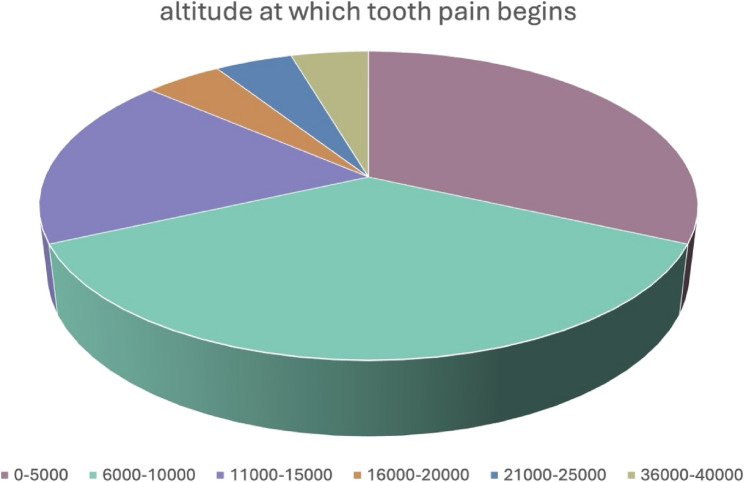
Results: The questionnaire demonstrated excellent content validity. Among the 190 pilots surveyed (63% response rate), 12.1% experienced barodontalgia, most commonly at altitudes of 6,000-10,000 feet, with worsening symptoms at 0-5,000 and 11,000-15,000 feet. Transport pilots reported the highest prevalence (43.5%), and the most common symptoms were headaches (43.5%) and loss of concentration (34.8%). Age was negatively associated with barodontalgia (β=-0.1505, p = 0.023), with younger pilots more likely to be affected. Meanwhile, years of service, aircraft type, smoking, dental awareness, and brushing frequency showed no statistically significant associations (p > 0.05). Gender was a significant predictor when controlling for service years (p = 0.048) but not when controlling for age (p = 0.067).
Conclusion: Barodontalgia is an occupational concern for Malaysian military pilots, particularly among younger pilots. Preventive dental care, targeted treatment, and regular check-ups are essential to mitigate risks and maintain operational readiness.
Keywords: Altitude sickness; Dental care; Military personnel; Occupational health; Pilots.
© 2025. The Author(s).
Conflict of interest statement
Declarations. Ethics approval and consent to participate: The study was approved by the International Islamic University Malaysia (IIUM) Research and Ethics Committee with registration number IREC 2020 − 112. Permission to distribute the questionnaire was also obtained from the Chief of the Royal Malaysian Air Force Office with Reference Number MTU.PTU100-2/4-(81). Informed consent was obtained from all participants included in the study. The study protocol conforms to the ethical guidelines of the 1975 Declaration of Helsinki. All subjects’ rights were protected, and all data were kept confidential. Consent for publication: Not applicable. Competing interests: The authors declare no competing interests.
Figures


References
-
- De Group AAFNR. Symposium on Problems of Aviation Dentistry. J Am Dent Assoc. 1946;33(13):827–44. 10.14219/jada.archive.1946.0289. - PubMed
-
- Al Khawalde M, Abu Al Ghanam M, Khazaaleh N. The prevalence of barodontalgia among Jordanian military pilots. J Royal Med Serv. 2016;23(2):27–33.
-
- Zadik Y, Barodontalgia. J Endod. 2009;35(4):481–5. - PubMed
-
- Zanotta C, Dagassan-Berndt D, Nussberger P, Waltimo T, Filippi A. Barodontalgias, dental and orofacial barotraumas: a survey in Swiss divers and Caisson workers. Swiss Dent J. 2014;124(5):510–9. - PubMed
MeSH terms
LinkOut - more resources
Full Text Sources
Medical
