


Machine learning to predict the role of CHWs in shifting birth preferences away from homebirth in India
- PMID: 41174218
- PMCID: PMC12578857
- DOI: 10.1038/s41598-025-24446-1
Machine learning to predict the role of CHWs in shifting birth preferences away from homebirth in India
Abstract
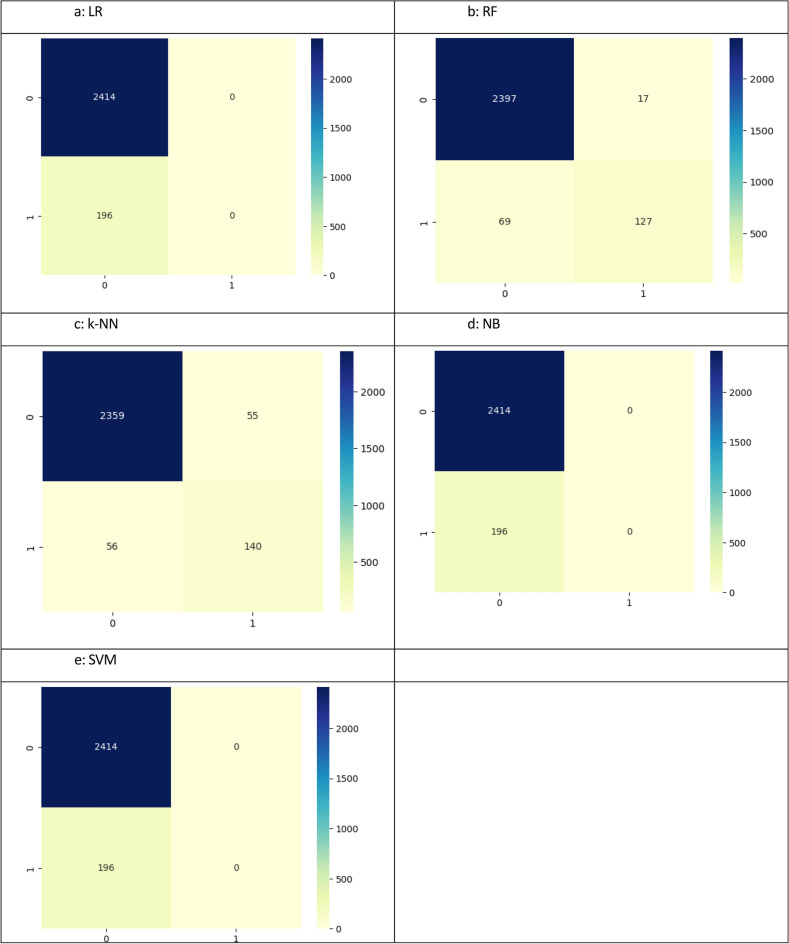
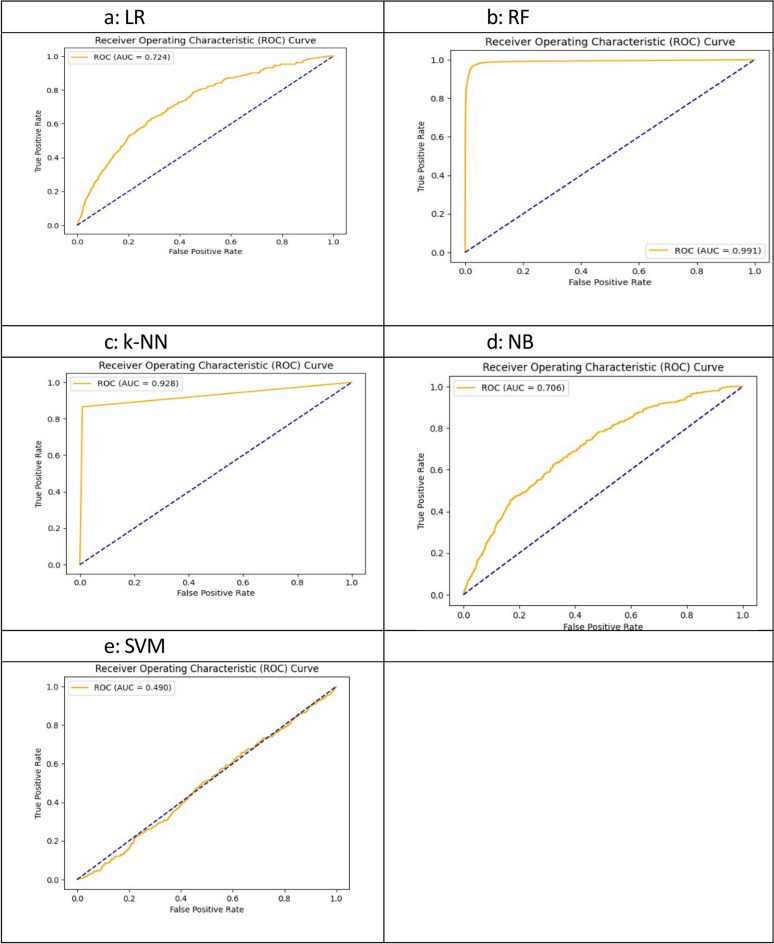
This study utilized well-known supervised machine learning algorithms to NFHS‑5 data of West Bengal, India, to predict the place of birth (home vs facility) by integrating CHW (community health worker) contact factors and women participant's perceptions about intimate partner violence (IPV). Although the study applied modelling techniques from conventional ML literature, the overarching contribution was identifying avenues to enhance public health policy response (e.g., efficient targeting of home visits and counselling by ANM/ASHA). The study concludes that, identifying likely homebirth cases among women with IPV-related poor perceptions applying improved prediction can enhance prioritising of CHW-contact and alter birth preference. The study improves minority-class learning using SMOTE on weighted NFHS data keeping in mind the complex survey design and SMOTE limitations. With respect to the ML model performance, Random Forest produced the highest test AUC (0.991) and accuracy (96.7%) among the 5 evaluated classifiers-LR (base), RF, MNB, k-NN, SVM and 0.950 with stable accuracy of 96% on hold-out data. The study does not bring methodological novelty in the underlying algorithms but generated actionable insights for equitable CHW allocation for efficient targeting using standard cross-sectional survey data.
Keywords: Community health workers; Home birth; Machine learning; Maternal health.
© 2025. The Author(s).
Conflict of interest statement
Declarations. Competing interests: The authors declare no competing interests. Ethics approval and consent to participate: NA. The authors declare that no primary data were collected for the study. The data used for analysis are publicly available from the Demographic and Health Survey website. Therefore, ethical consent was not needed.
Figures







References
-
- World Health Organization (WHO) Maternal mortality. Available at<https://www.who.int/news- room/fact-sheets/detail/maternal-mortality (Accessed 01.03.2025]>. (2025).
-
- Say, L. et al. Global causes of maternal death: a WHO systematic analysis. Lancet Glob. Health2(6), e323–e333 (2014). - PubMed
MeSH terms
LinkOut - more resources
Full Text Sources
