


The effects of polygenic risks for alcohol misuse on negative emotion processing in young adult binge drinkers
- PMID: 41271663
- PMCID: PMC12638819
- DOI: 10.1038/s41398-025-03719-3
The effects of polygenic risks for alcohol misuse on negative emotion processing in young adult binge drinkers
Abstract
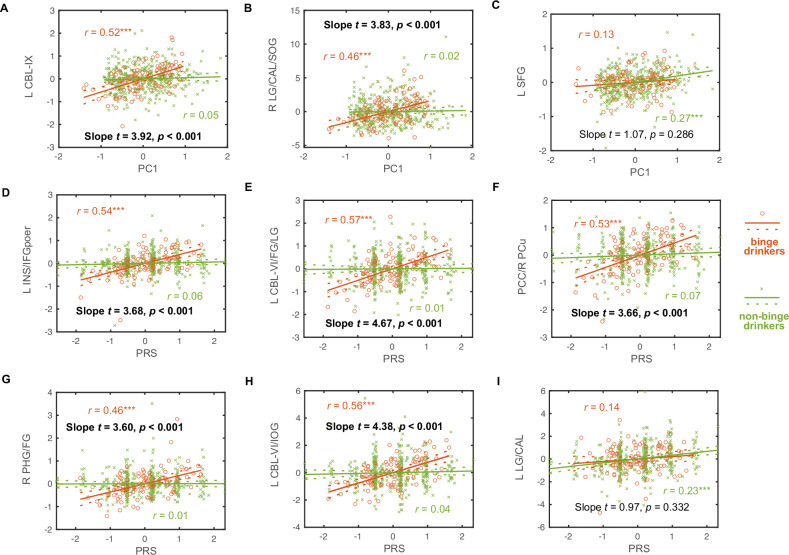
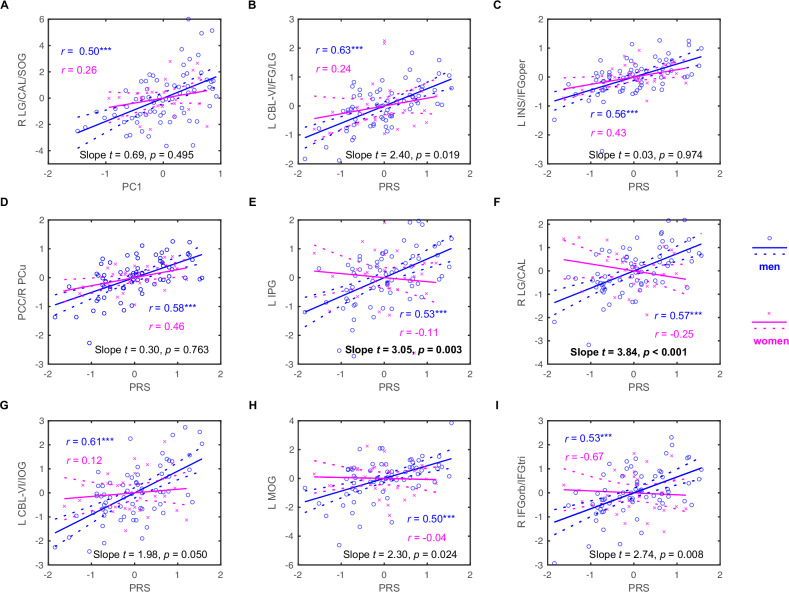
Extensive research has documented altered emotion processing in binge drinkers. Genetic risks contribute to problem drinking; however, it remains unclear how genetic risks for alcohol misuse affect behavioral and brain responses to negative emotions. We curated data from the Human Connectome Project and identified 97 binge (69 men) and 379 demographically-matched non-binge (142 men) drinkers performing an emotion task during brain imaging. Alcohol use severity was quantified by the first principal component (PC1) identified of principal component analysis of 15 drinking measures. Polygenic risk scores (PRS) for alcohol dependence were computed for all subjects. With published routines and at a corrected threshold, we evaluated how brain responses to matching negative emotional faces vs. geometric shapes associated with PC1 and PRS in a linear regression, with age, sex, and race as covariates. Higher PC1 and PRS were both significantly correlated with greater symptom severity of somatic complaints in binge drinkers. Bingers relative to non-bingers showed stronger activation of a wide array of frontal, parietal and occipital regions and the insula in positive correlation with the PRS. These genetic risk markers featured more prominently in male than in female binge drinkers. In contrast, regional responses in the default mode network may represent sex-shared markers of the genetic risks. These findings suggest altered neurobiological processes of negative emotions in correlation with genetic risks for alcohol misuse in binge drinkers. Longitudinal studies are needed to show how dysfunctional negative emotion processing interlinks the genetic risks and problem drinking.
© 2025. The Author(s).
Conflict of interest statement
Competing interests: The authors declare no competing interests. Ethics approval and consent to participate: All methods were performed in accordance with the relevant guidelines and regulations. Data used in this study were obtained from the Human Connectome Project (HCP). The HCP was approved by the Washington University Institutional Review Board (IRB #201204036). Informed consent was obtained from all participants by the HCP investigators at the time of data collection.
Figures


References
-
- Grigsby TJ, Hoopsick R, Barker D, Devier E, Amis A, Yockey RA. Substance use and sexual orientation among adolescents: Differences by age group and sex in the 2023 National Survey of Drug Use and Health. The American Journal on Addictions. 2025:1–8. 10.1111/ajad.70087. - PubMed
MeSH terms
Grants and funding
LinkOut - more resources
Full Text Sources
Medical
Research Materials
Miscellaneous
