


Pathways to improving the awareness, diagnosis and management of lipodystrophy in Brazil: an expert panel discussion
- PMID: 41272755
- PMCID: PMC12639706
- DOI: 10.1186/s13098-025-01990-4
Pathways to improving the awareness, diagnosis and management of lipodystrophy in Brazil: an expert panel discussion
Abstract
Background: Lipodystrophy syndromes are a group of rare, clinically complex disorders characterized by a partial or generalized lack of adipose tissue. Affected individuals develop severe metabolic comorbidities and frequently display absolute or relative reductions in leptin levels. Congenital generalized lipodystrophy (CGL) was first described in two cases from Brazil in 1954, with subsequent studies highlighting the burden of lipodystrophy syndromes in patients from Brazil and elsewhere. However, despite this earlier research, awareness of lipodystrophy syndromes among the general Brazilian medical community remains limited. In November 2022, a panel of Brazilian specialists with experience in lipodystrophy syndromes, met at a full-day face-to-face meeting to discuss the importance of these rare metabolic diseases in Brazil. This manuscript is an output from this expert panel discussion.
Methods: A structured agenda was prepared and involved a series of presentations followed by expert discussion sessions. Discussion points and insights collected during the meeting were developed into a report that was reviewed and approved by all authors. This report served as a basis for the current manuscript. Where applicable, the content presented in this manuscript is supported by published data in lipodystrophy syndromes from Brazil and other international studies.
Results: The key themes discussed at the meeting and presented here include: (1) the epidemiology, prevalence and clinical presentation of lipodystrophy syndromes in Brazil, (2) the diagnostic journey of Brazilian patients with lipodystrophy syndromes including diagnostic challenges, and (3) the clinical approach to lipodystrophy syndromes in Brazil. Potential knowledge gaps in lipodystrophy syndromes among the general Brazilian medical community are reviewed. Country-level initiatives that can increase disease awareness and help non-specialist healthcare professionals in recognizing patients with lipodystrophy syndromes are also explored.
Conclusion: This manuscript provides an overview of the current knowledge base of lipodystrophy syndromes in Brazil and suggests areas where this may be improved. The information presented here could help the development of a national guideline for lipodystrophy syndromes that supports clinical care pathways for Brazilian patients.
Keywords: Diagnosis; Disease management; Fat loss; Generalized lipodystrophy; Lipodystrophy syndromes; Partial lipodystrophy.
© 2025. The Author(s).
Conflict of interest statement
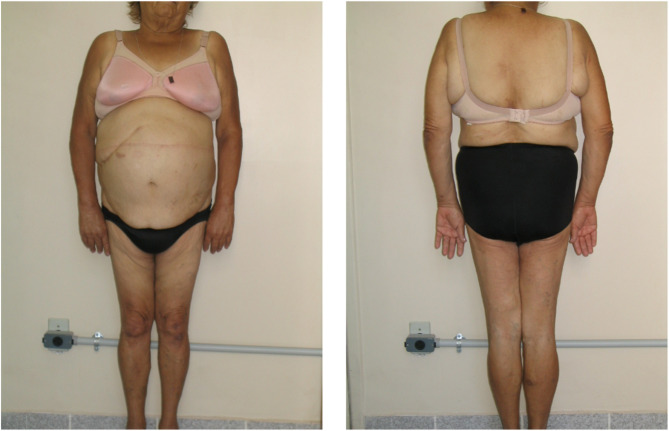
Declarations. Ethics approval and consent to participate: Images of patients used in figures are used with the consent of the patients and/or guardians. Competing interests: JS, CMV, JRD, FG and RM have received speaker and consultancy fees from Amryt Pharmaceuticals. CMV is a principal investigator on a Chiesi clinical trial. GC has received a teaching grant and consultancy fees from Amryt Pharmaceuticals. FG has also received consultancy fees from PTC therapeutics, Merck and Novo Nordisk; educational support from Merck and Abbott; and travel grants from Novo Nordisk. All other authors declare no financial conflicts of interest associated with this work. The results presented in this review and commentary are solely based on a thorough analysis of the scientific literature. All authors except GC are members of the Brazilian Group for the Study of Inherited and Acquired Lipodystrophies (BRAZLIPO), Brazil.
Figures


References
-
- Garg A. Acquired and inherited lipodystrophies. N Engl J Med. 2004;350(12):1220–34. - PubMed
-
- Barraquer L. Histoire clinique d’un Cas d’atrophie du Tissu celluloadipeux. Neurolog Zentralblatt. 1907;26:1072.
-
- Berardinelli W. An undiagnosed endocrinometabolic syndrome: report of 2 cases. J Clin Endocrinol Metab. 1954;14(2):193–204. - PubMed
-
- Dunnigan MG, Cochrane MA, Kelly A, Scott JW. Familial lipoatrophic diabetes with dominant transmission. A new syndrome. Q J Med. 1974;43(169):33–48. - PubMed
Publication types
LinkOut - more resources
Full Text Sources
Miscellaneous
