


Upregulated astrocytic HDAC7 induces depression-like disorders via deacetylating PINK1 and inhibiting mitophagy
- PMID: 41286926
- PMCID: PMC12642251
- DOI: 10.1186/s12974-025-03603-3
Upregulated astrocytic HDAC7 induces depression-like disorders via deacetylating PINK1 and inhibiting mitophagy
Abstract
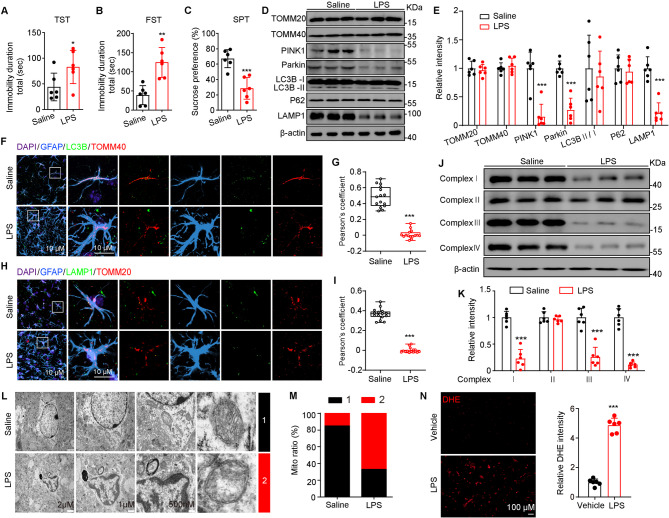
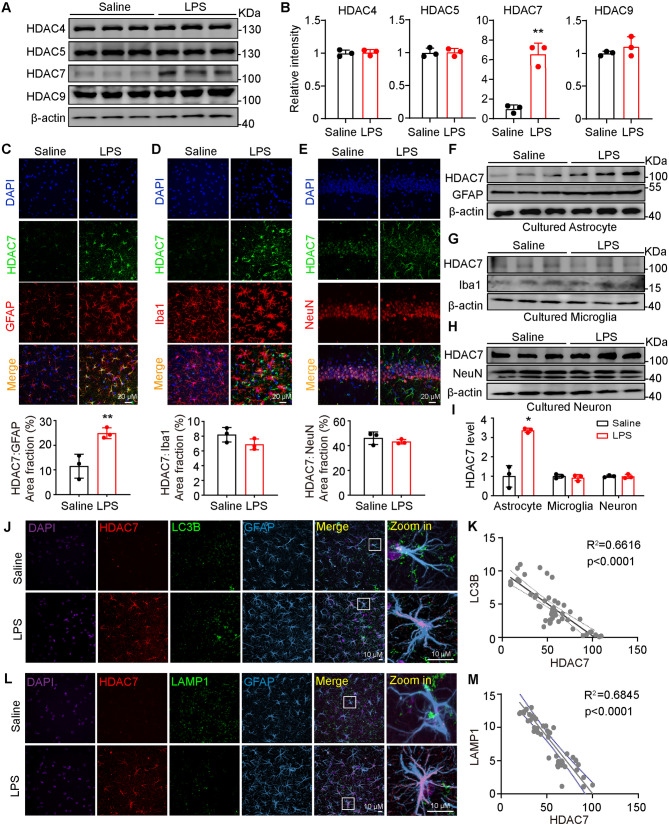
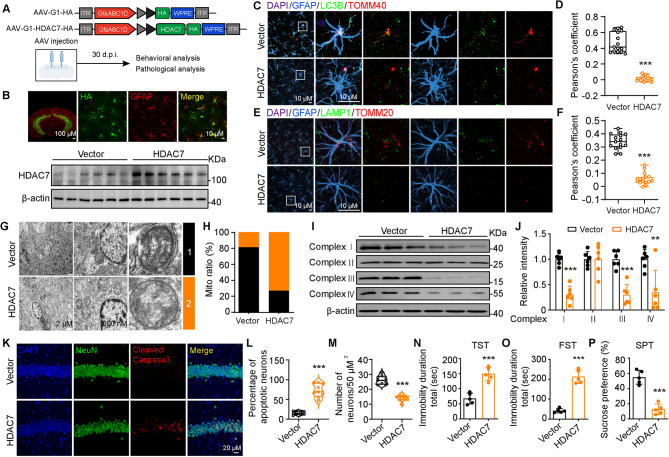
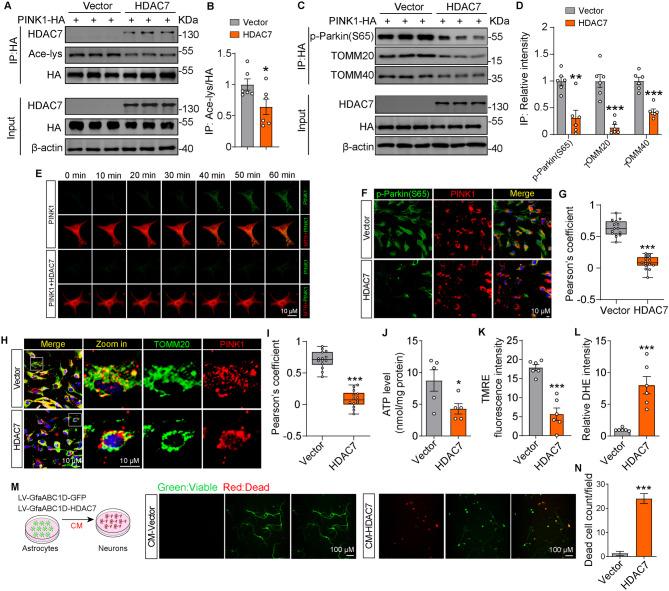
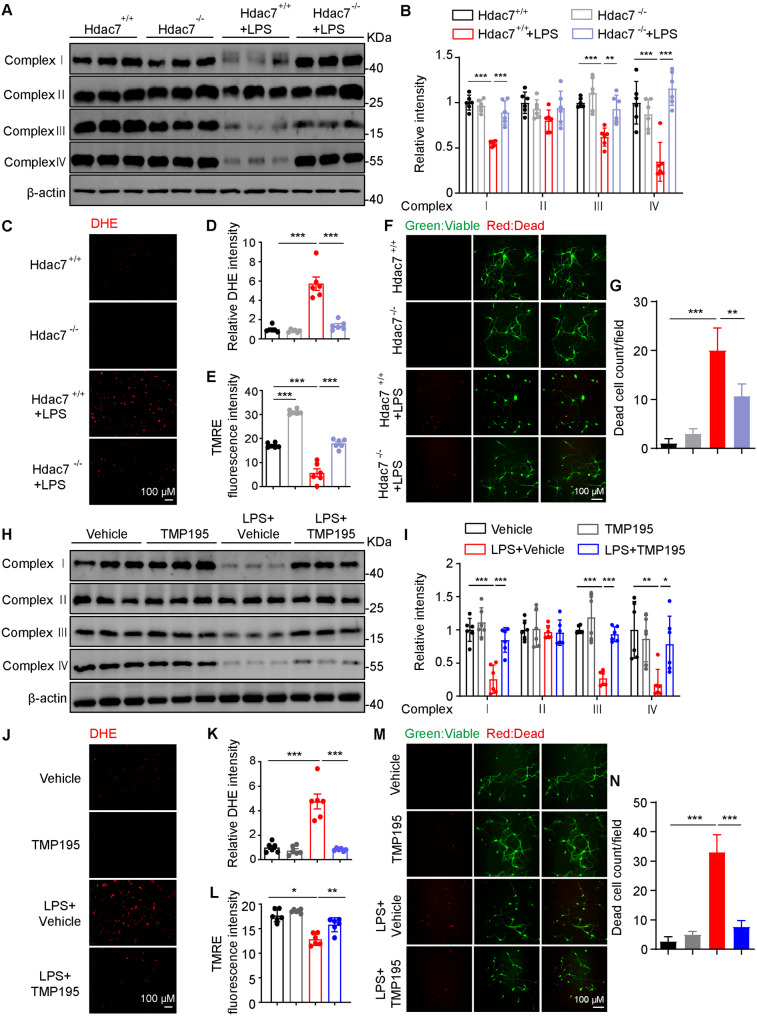
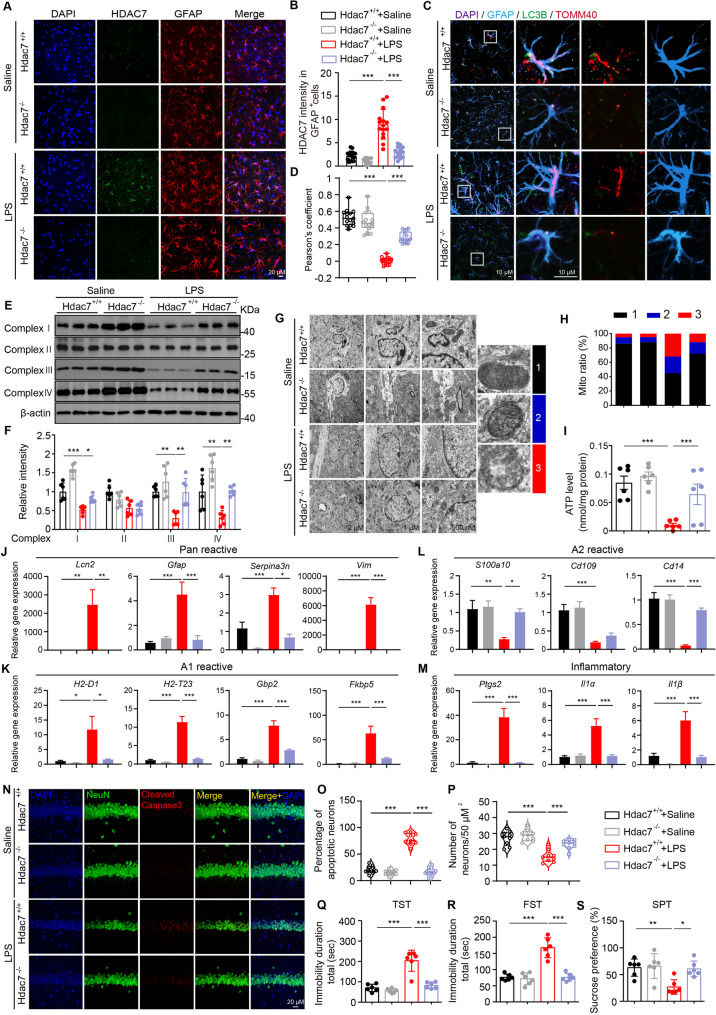
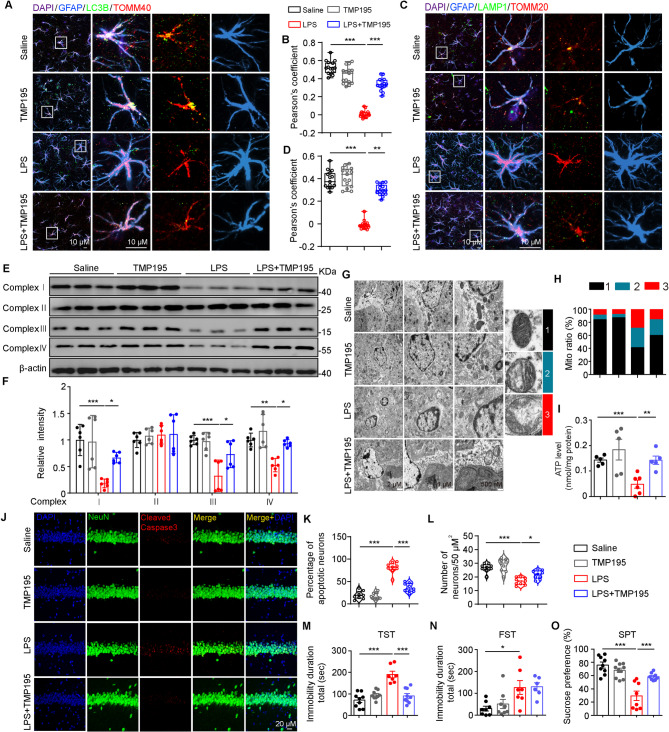
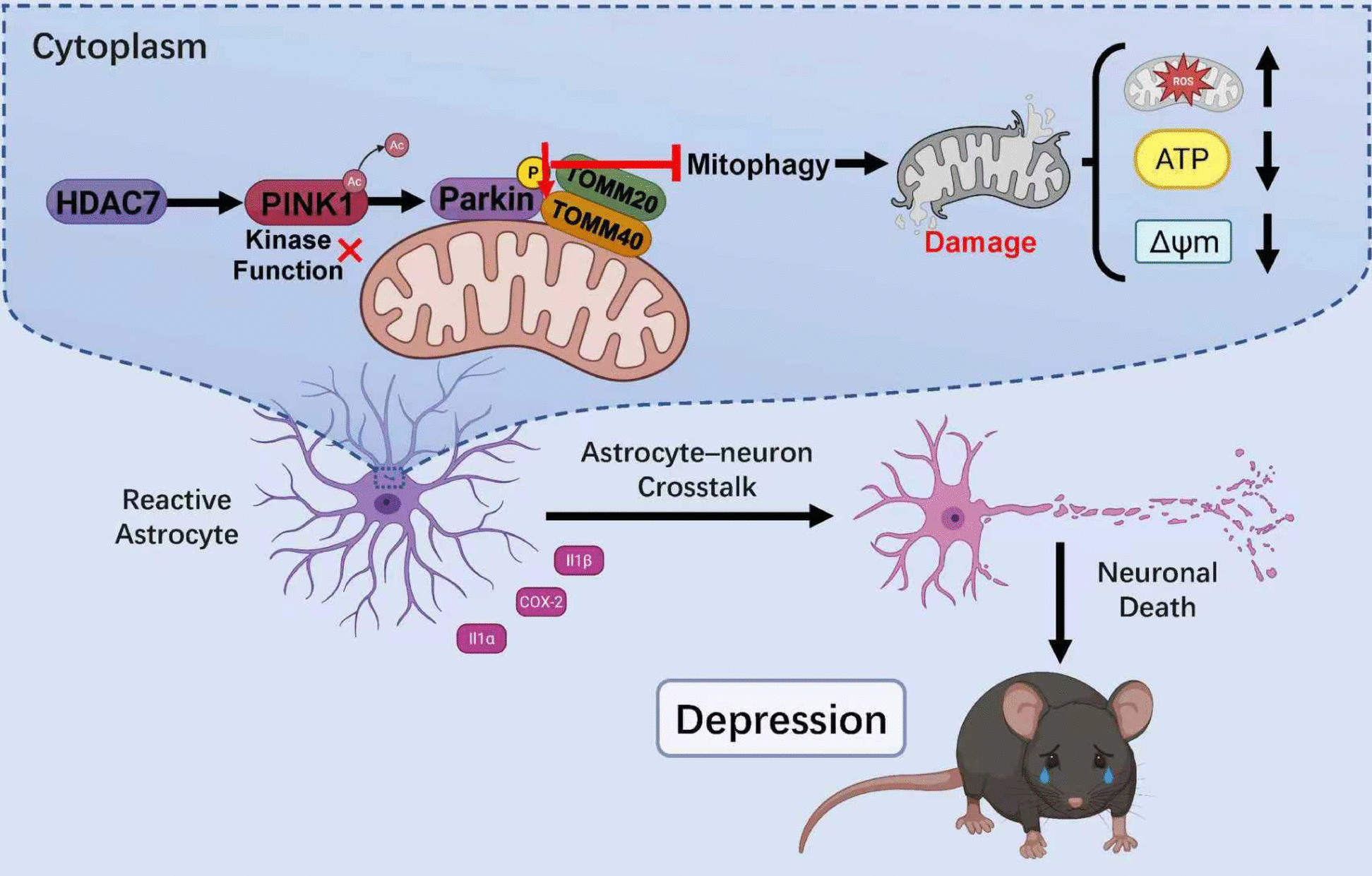
Major depressive disorder (MDD) is a prevalent mental disorder and the leading cause of disability worldwide. Emerging evidence indicates that dysregulation of astrocyte mitochondria metabolism contributes to the pathophysiology of depression. However, the molecular mechanisms underlying the stress-induced astrocytic dysfunction remain poorly understood. Here, we show that impaired mitophagy, which occurring downstream of increased Class IIa histone deacetylases 7 (HDAC7) expression, play a critical role in astrocytic mitochondria dysfunction in a Lipopolysaccharide (LPS)-induced depression-like mouse model. Astrocyte-specific overexpression of HDAC7 in the hippocampus disrupted PTEN-induced putative kinase 1 (PINK1)-Parkinson protein 2 (Parkin)-dependent mitophagy, leading to reduced mitochondrial ATP release, neuronal damage and depressive-like behaviors. Mechanistically, HDAC7 impairs mitophagy by deacetylating PINK1, thereby suppressing phosphorylation of Parkin at Ser65 and inhibiting recruitment of downstream proteins translocase of outer mitochondrial membrane (TOMM) 20 and 40. Notably, Astrocyte-specific knockout or pharmacological inhibition of HDAC7 attenuates LPS-induced astrocytic mitophagy disruption, oxidative stress and mitochondrial adenosine triphosphate (ATP) release, alongside recovery of neuronal activity and reverse of depressive-like behavioral disorders in mice. Taken together, our data shed light on the intricate interplay between astrocytes, neuronal damage, and mitophagy in the etiology of depression, offering promising therapeutic targets for the treatment of MDD and other astrocyte-associated disorders.
Supplementary Information: The online version contains supplementary material available at 10.1186/s12974-025-03603-3.
Keywords: Astrocyte; Depression; HDAC7; Mitophagy; PINK1.
Conflict of interest statement
Declarations. Ethics approval and consent to participate: All animal studies were performed according to protocols approved by the Institutional Animal Care and Use Committee at Shenzhen University. Competing interests: The authors declare no competing interests.
Figures
References
Grants and funding
- JCYJ20220818095617038, 20231121103959001/Shenzhen Science and Technology Innovation Commission
- 82474227/National Natural Science Foundation of China
- 82101493/National Natural Science Foundation of China
- 2025A1515012551/Guangdong Basic and Applied Basic Research Foundation
- JCYJ20240813141825034/Shenzhen science and technology research and development funds
LinkOut - more resources
Full Text Sources
Molecular Biology Databases
Research Materials
