


Yielding brace system as a next-generation lateral load mechanism for seismic resilient cities
- PMID: 41309769
- PMCID: PMC12660826
- DOI: 10.1038/s41598-025-26603-y
Yielding brace system as a next-generation lateral load mechanism for seismic resilient cities
Abstract
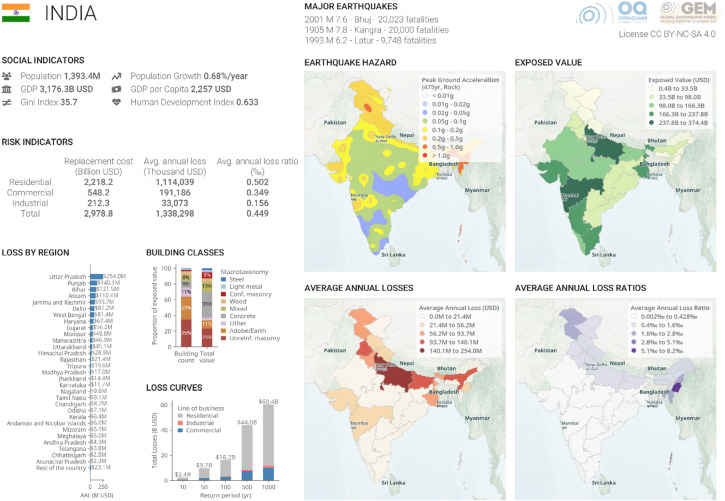
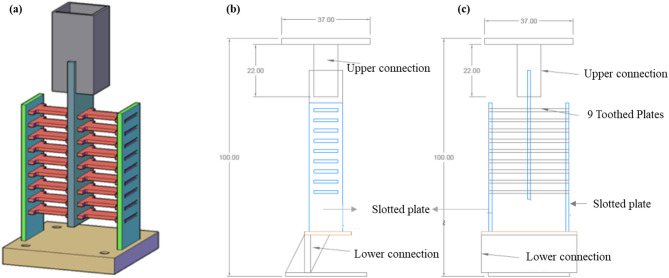
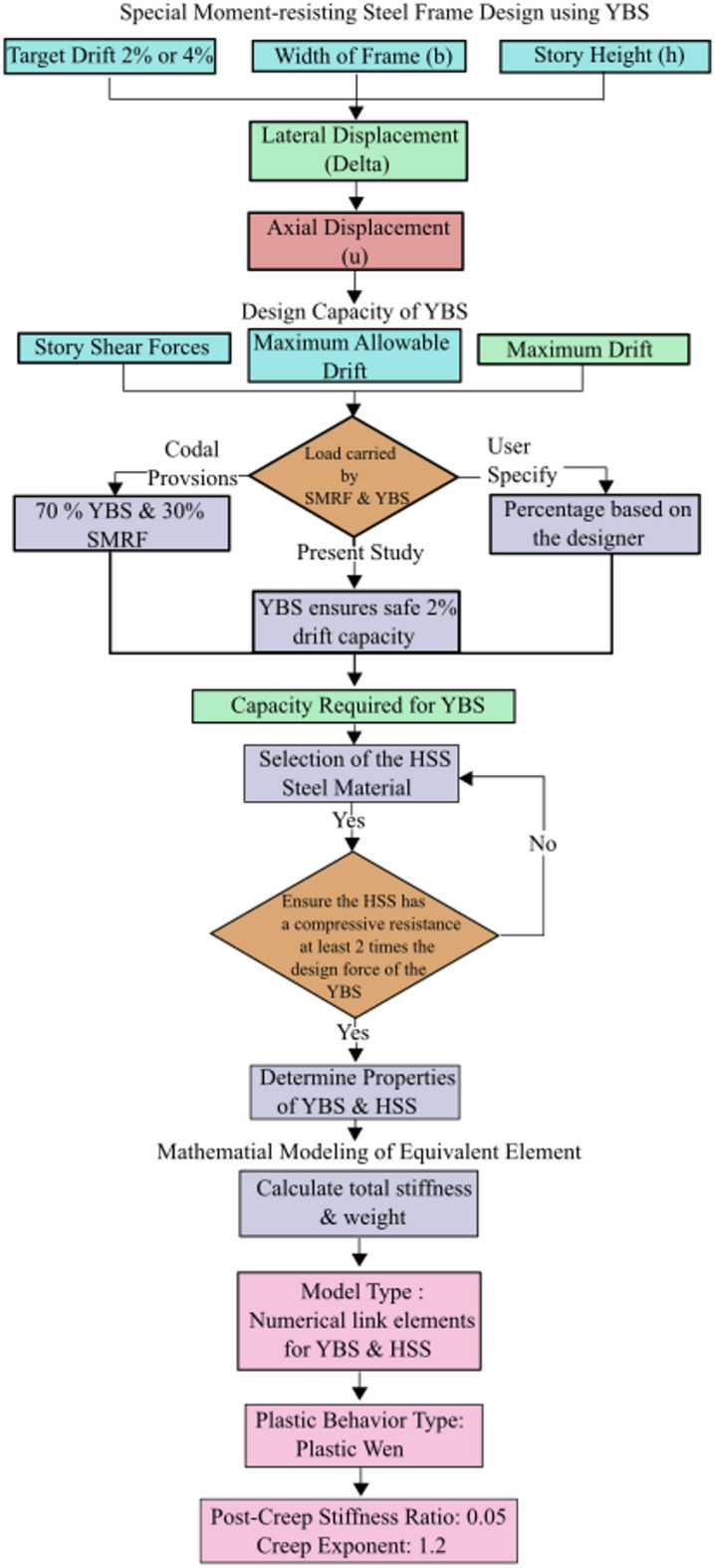
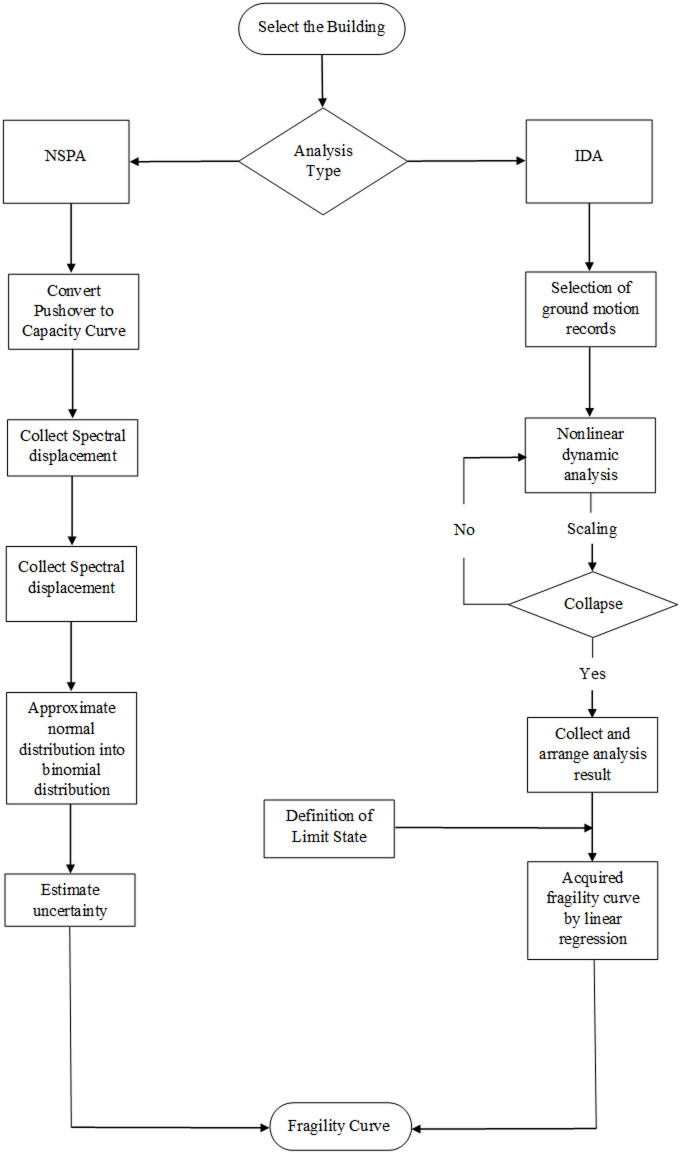
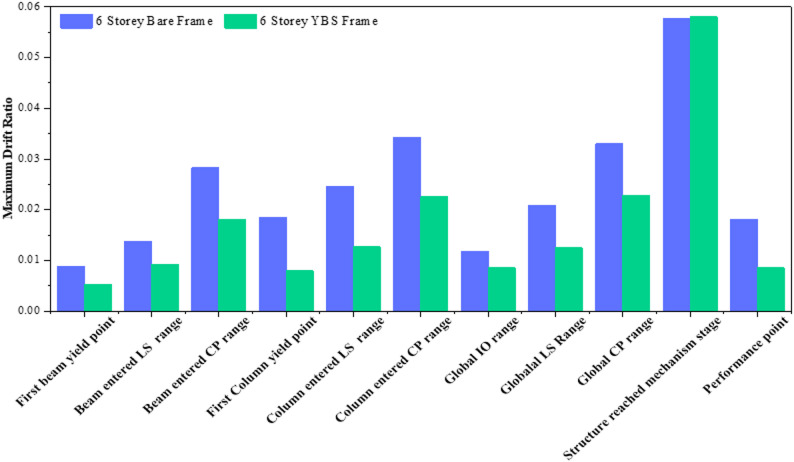
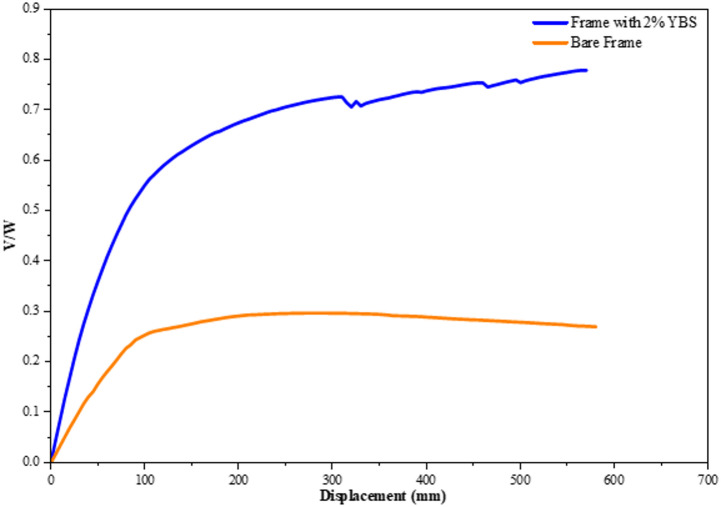
India's building stock remains highly vulnerable to seismic hazards, with conventional retrofitting strategies often limited in their applicability under varying earthquake intensities. This study investigates the effectiveness of the Yielding Brace System as a novel lateral load-resisting mechanism for improving the seismic resilience of mid-rise reinforced concrete buildings. A six-storey special moment-resisting frame was analysed in bare and Yielding Brace System (YBS)-integrated configurations using a comprehensive multi-analysis framework, including nonlinear static pushover analysis, nonlinear time history analysis, incremental dynamic analysis, and probabilistic fragility assessment. Results demonstrate that the incorporation of YBS significantly reduces inter-storey drift demands by 30-53% and increases normalized base shear capacity from 0.30 in the bare frame to 0.75 in the YBS frame. Ductility improved from 3.20 to 3.98, while residual drift ratios consistently remained below the FEMA P-58/ASCE 41 threshold of 0.5%. Fragility analysis revealed that the bare frame reached a 50% probability of collapse at 5.1 m/s², whereas the YBS-equipped frame required 15 m/s², highlighting a threefold enhancement in collapse safety margin. By reducing collapse probability and ensuring functional recovery after earthquakes, Yielding Brace System advances resilient infrastructure development and aligns with global sustainability objectives under UN SDG 9 (Infrastructure), SDG 11 (Sustainable Cities), and SDG 13 (Climate Action).
Keywords: Incremental dynamic analysis; Seismic fragility assessment; Yielding brace system.
© 2025. The Author(s).
Conflict of interest statement
Declarations. Competing interests: The authors declare no competing interests.
Figures







References
-
- Aggarwal, Y., Baddipalli, S. & Saha, S. K. Construction practices and seismic vulnerability of buildings in the Indian Himalayan region: A case study. Nat. Hazards Rev.25 (2), 05024002. 10.1061/NHREFO.NHENG-1902 (2024).
-
- Earthquake zones. of India - Wikipedia.
-
- Jain, S. K. Earthquake safety in india: achievements, challenges and opportunities. Bull. Earthq. Eng.14 (5), 1337–1436. 10.1007/s10518-016-9870-2 (2016).
-
- Jena, R. et al. Earthquake vulnerability assessment for the Indian Subcontinent using the long Short-Term memory model (LSTM). Int. J. Disaster Risk Reduct.66, 102642. 10.1016/j.ijdrr.2021.102642 (2021).
Grants and funding
LinkOut - more resources
Full Text Sources
