


A real-world retrospective study to assess the effectiveness and safety profile of siponimod in Chinese patients with relapsing forms of multiple sclerosis
- PMID: 41316046
- PMCID: PMC12664220
- DOI: 10.1186/s12883-025-04343-w
A real-world retrospective study to assess the effectiveness and safety profile of siponimod in Chinese patients with relapsing forms of multiple sclerosis
Abstract
Background: Based on its favourable benefit-risk profile in clinical trials, siponimod was approved in China in 2020 for relapsing forms of multiple sclerosis (RMS). We evaluated its real-world (RW) effectiveness and safety profile in patients with RMS in China.
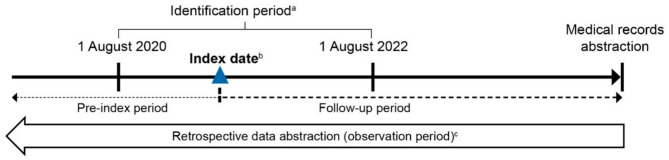
Methods: This was a retrospective chart review of adults (≥ 18 years) with RMS receiving their first siponimod prescription (index date) between 01 August 2020 and 01 August 2022 at two hospitals in China. Inclusion criteria were ≥ 3 months of siponimod treatment and ≥ 1 clinical visit after the index date. Annualised relapse rate (ARR), proportion of relapse-free patients, proportion of patients free of MRI activity, and incidence of treatment-emergent adverse events (TEAEs) were evaluated.
Results: Of 113 included patients (mean age, 37.2 years; 64.6% women), 70 (61.9%) received ≥ 1 disease-modifying treatment (other than siponimod) before index. Most patients (89.4%) were diagnosed with relapsing-remitting multiple sclerosis, and 85.0% remained on siponimod for > 12 months. Overall, 16 patients (14.2%) experienced ≥ 1 relapse (14 patients had one relapse and two had two relapses), and 85 patients (75.2%) remained relapse-free. Of 46 patients with ≥ 1 MRI assessment, 36 (78.3%) were free of MRI activity. The mean group-based ARR was 0.1 per patient-year. Overall, 71 patients (62.8%) experienced ≥ 1 TEAE, and 56 (49.6%) had TEAEs related to siponimod. The most common TEAEs by preferred term were increased alanine transaminase (23.0%) and increased aspartate transaminase (13.3%). No new safety signals were identified.
Conclusions: This RW study confirmed favourable benefit-risk profile of siponimod in Chinese patients with RMS.
Keywords: Annualised relapse rate; Chinese patients; Real-world; Relapsing forms of multiple sclerosis; Siponimod.
© 2025. The Author(s).
Conflict of interest statement
Declarations. Ethics approval and consent to participate: This study was conducted in accordance with the Declaration of Helsinki, and ethics approval was received from the Ethical Committee of Peking Union Medical College Hospital on 8 December 2022. All patients signed an Informed Consent Form prior to participation in the study. All data were anonymized prior to entry into the eCRFs. No experiments involving humans or human tissue samples were conducted during the study. Consent for publication: Not applicable. Competing interests: Lyra Liu, Min Cai, Ming Zhou, and Zheng Li are employees of China Novartis Institutes for Biomedical Research, China. Anne Lin is an employee of IQVIA, China Taiwan. IQVIA has received funding from Novartis for running this study and for medical writing support. Yan Xu, Yao Zhang, and Hongbo Liu have nothing to disclose.
Figures
References
MeSH terms
Substances
Supplementary concepts
LinkOut - more resources
Full Text Sources
