


Engaging families to create a better post-pandemic future: semi-structured interviews with youth and parents in Canada
- PMID: 41327122
- PMCID: PMC12667078
- DOI: 10.1186/s12889-025-24244-4
Engaging families to create a better post-pandemic future: semi-structured interviews with youth and parents in Canada
Abstract
Background: International reports highlight important impacts of the COVID-19 pandemic on the wellbeing of youth. There is limited knowledge of the experiences and perspectives of youth, and their parents during the COVID-19 pandemic. Examining these experiences can help us identify existing gaps in support and which policy adjustments, resources, and programs are needed to enhance the wellbeing of youth and families in the aftermath of the pandemic.
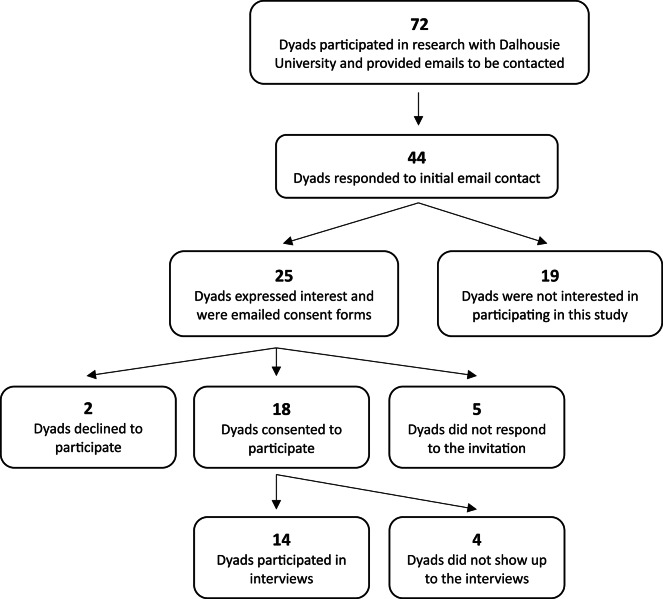
Methods: In this qualitative descriptive study Canadian youth (11-18year) and their parents (≥ 18year) who participated in a previous national survey looking at public perceptions of the COVID-19 pandemic, were invited to participate. Youth and their parents across all ten Canadian provinces were interviewed separately between June and September 2022. Interview guides were developed and refined iteratively with experts on child development along with youth and parent partners. Responses we coded inductively and a qualitative descriptive analysis was performed. We conducted and reported this study according to the Consolidated Criteria for Reporting Qualitative Research checklist.
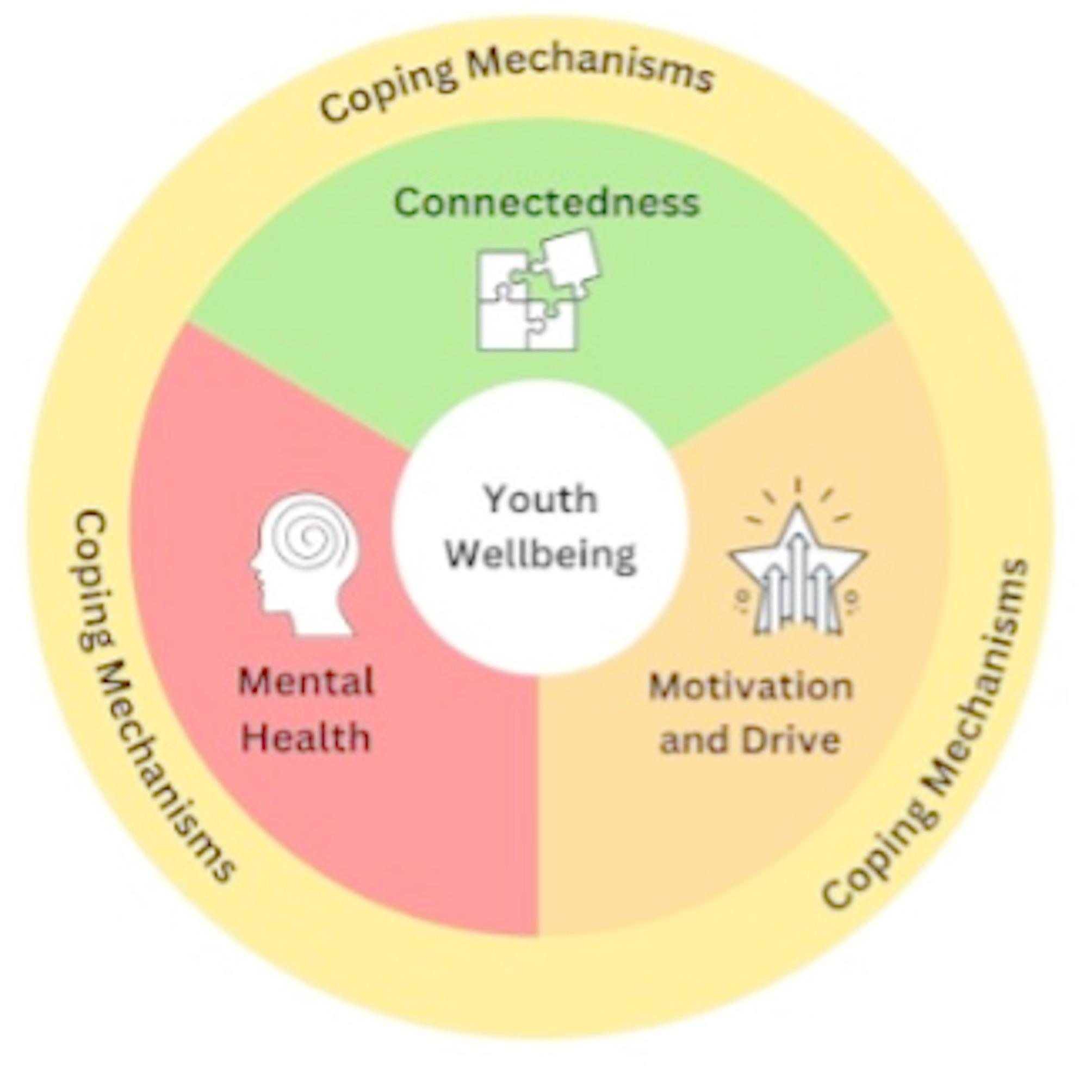
Results: We interviewed 14 youth-parent dyads (28 interviews). Most participants identified as Black, Indigenous, or persons of colour (18/ 28, 64%) and as cis-gender women/girls (15/28, 54%); the median ages were 14 (interquartile range (IQR) 12-16) and 46 (IQR 40-50), for youth and parents respectively. All parents (14/14, 100%) were married. We generated four topic summaries in the data, relevant to youth and family wellbeing throughout the COVID-19 pandemic and in the post-pandemic period: (1) connectedness (a sense of being cared for and supported), (2) motivation and drive (activating and sustaining behaviour toward a goal despite difficulties), (3) mental health (including emotional, psychological, and social wellbeing, develop fulfilling relationships, and adapting to change) and (4) coping mechanisms (strategies used to adjust to stressful events to help maintain overall wellbeing). Findings highlight negative impacts of increased isolation associated with COVID-19 pandemic and their interconnectedness. Results underscore the importance of employing integrated policies that address these complex challenges while informing the tailoring of existing policies, resources, and programs to better support and improve the well-being of youth and families as they navigate the ongoing impacts of the pandemic.
Conclusions: Canadian youth and parents in our sample provided detailed descriptions on how the COVID-19 pandemic impacted their wellbeing and the strategies they used to reduce these impacts as much as possible. There is a need for support both at-home and in-school, emphasizing the importance of having a range of programs that address challenges across all facets of youths' lives.
Keywords: COVID-19; Interviews; Mental health; Parents; Psychology; Public health; Youth.
© 2025. The Author(s).
Conflict of interest statement
Declarations. Ethical approval: This study was approved by the University of Calgary Conjoint Health Research Ethics Board (Ethics ID#23–0039) and Dalhousie University Research Ethics Board (Ethics ID#: #2023–6538) and was conducted in accordance with institutional privacy and protocols. Consent for publication: All authors consent for publication. Competing interests: The authors declare no competing interests.
Figures
References
-
- Government of Canada. Coronavirus disease (COVID-19): Guidance documents [2021-04-07:[Available from: https://www.canada.ca/en/public-health/services/diseases/2019-novel-coro...
MeSH terms
LinkOut - more resources
Full Text Sources
Medical
