Shwartzman reaction after human renal homotransplantation
- PMID: 4866352
- PMCID: PMC2765870
- DOI: 10.1056/NEJM196803212781202
Shwartzman reaction after human renal homotransplantation
Abstract
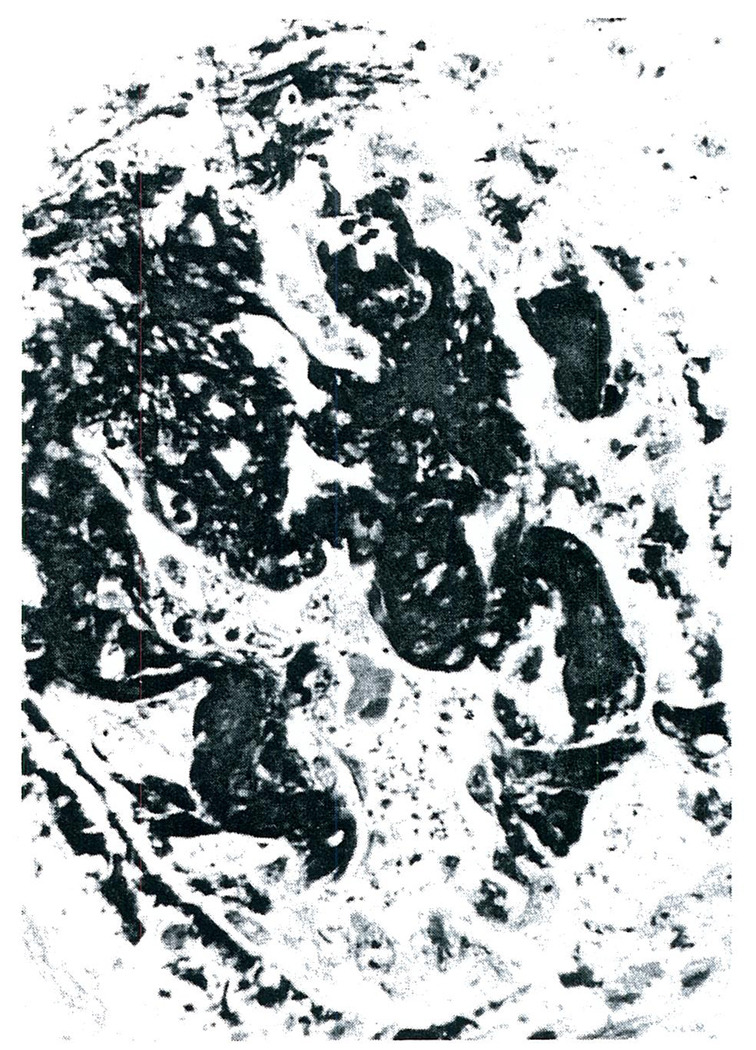
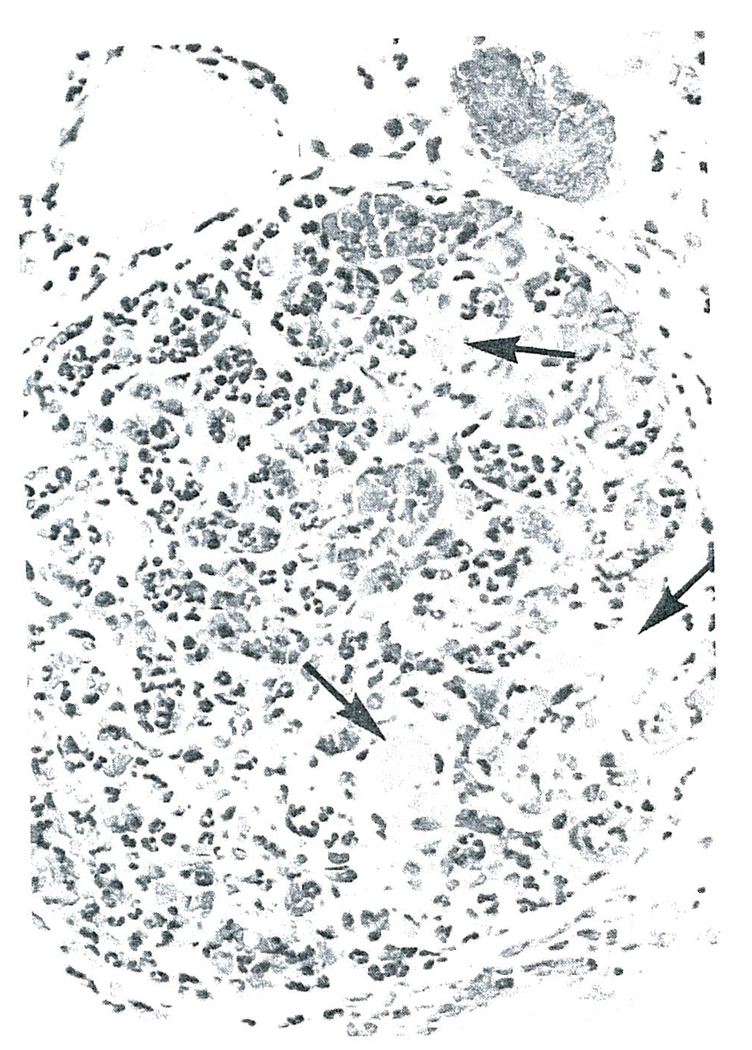
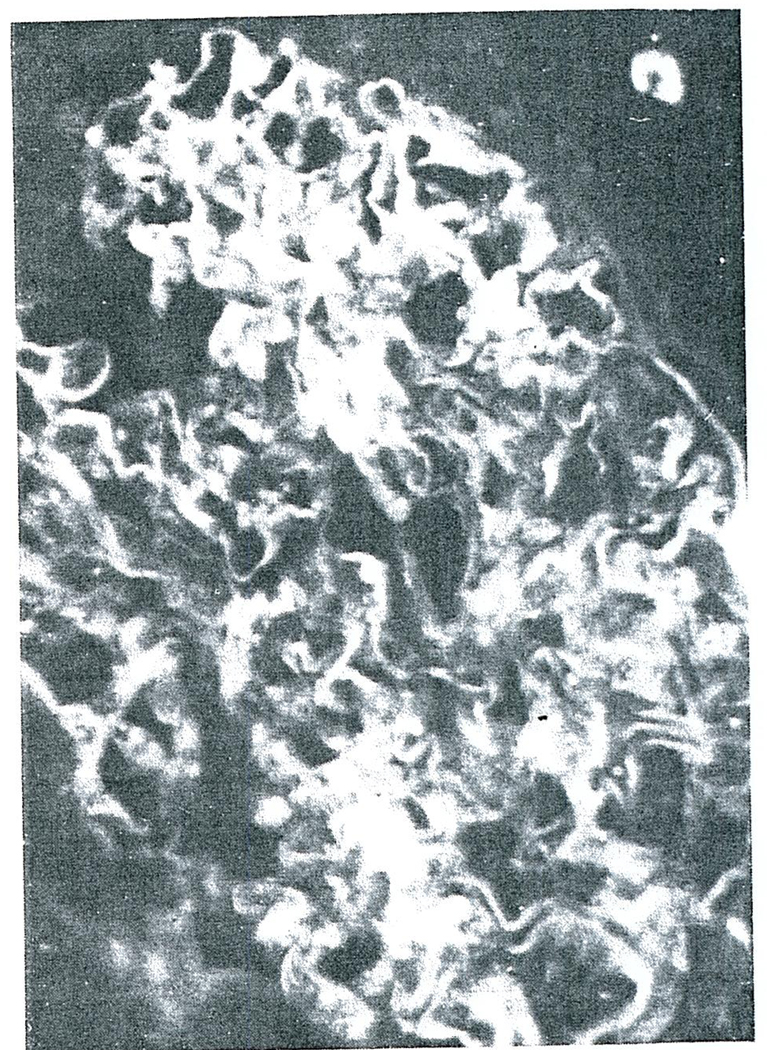
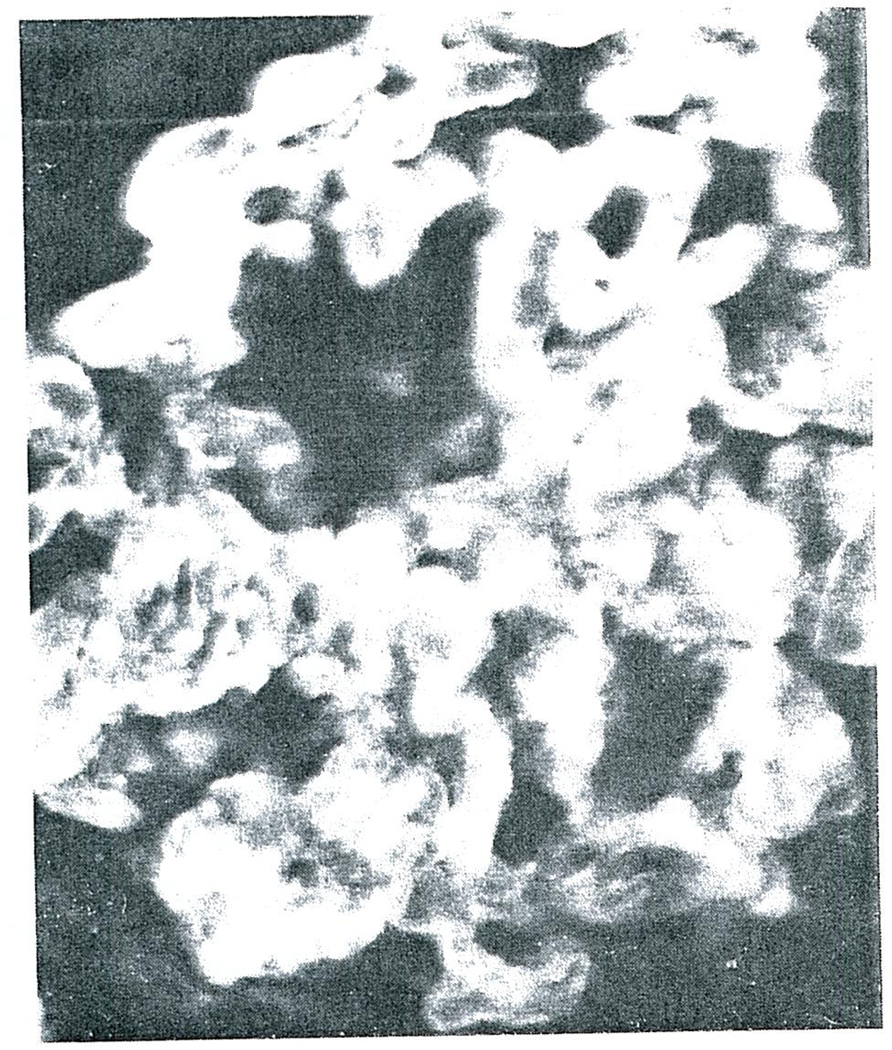
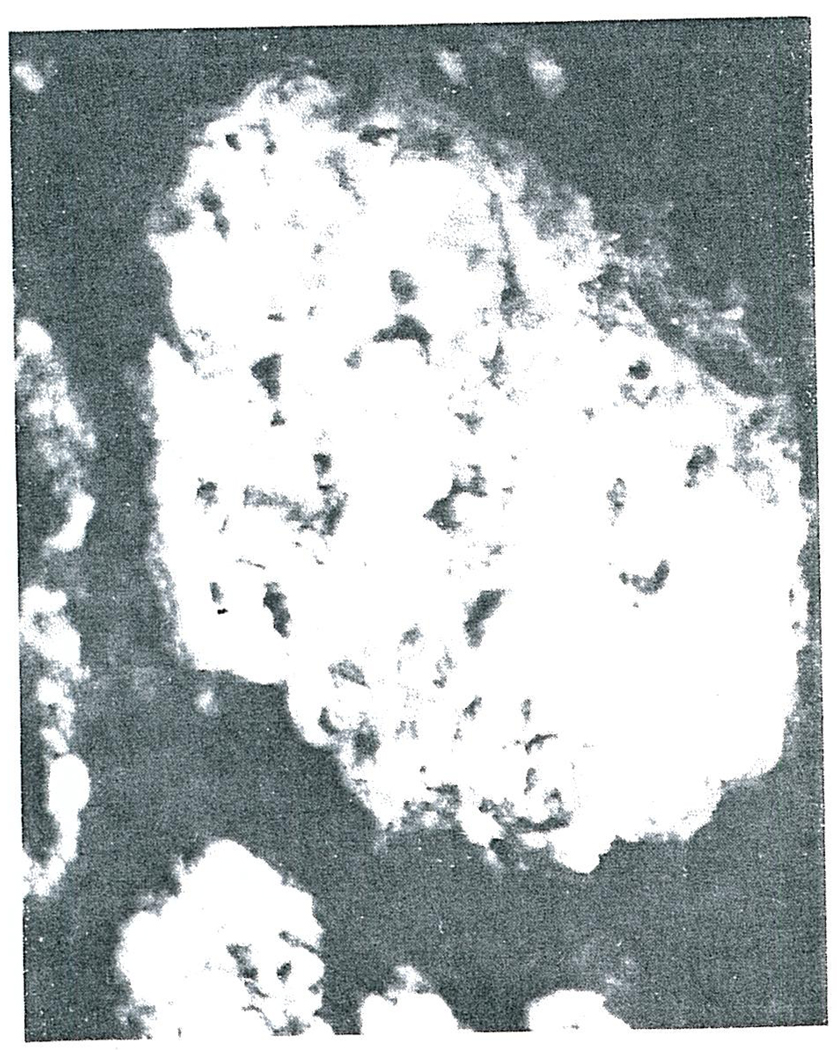
In three human recipients, five renal homografts were destroyed within a few minutes to hours after their revascularization in the new host. The kidneys, removed one to 54 days later, had cortical necrosis. The major vessels were patent, but the arterioles and glomeruli were the site of fibrin deposition. There was little or no fixation of host immunoglobulins in the homografts. The findings were characteristic of a generalized Shwartzman reaction.
Although the cause (or causes) of the Shwartzman reaction in our patients is not known, they may have been conditioned by the bacterial contamination and hemolysis that often attend hemodialysis, by immunosuppression and by the transplantation itself. Some of the patients have preformed lymphocytotoxic antibodies. Thus, certain patients may be predisposed. High-risk patients should be recognized and treated prophylactically with anticoagulants.
Figures
References
-
- Terasaki PI, Marchioro TH, Starzl TE. Sero-typing of human lymphocyte antigens: preliminary trials on long-term kidney homograft survivors. Conference on Histocompatibility Testing, Washington, D. C, 1964. Histocompatibility testing: Report of a conference and workshop sponsored by the Division of Medical Sciences, National Academy of Sciences, National Research Council, 7–12 June, 1964. Conference on Histocompatibility Testing. Edited by P. S. Russell and H. J. Winn. Workshop on Histocompatibility Testing. Edited by D. B. Amos; National Research Council; Washington. D. C.. 1965. pp. 83–95.
-
- Kissmeyer-Nielsen F, Olsen S, Petersen VP, Fjeldborg O. Hyperacute rejection of kidney allografts, associated with pre-existing humoral antibodies against donor cells. Lancet. 1966;2:662–665. - PubMed
-
- Williams GM, et al. Studies in hyperacute and chronic renal homograft rejection in man. Surgery. 1967;62:204–212.
-
- Williams GM, Hume DM, Kano K, Milgrom F. Personal communication
-
- Lee L, Stetson CA. Local and generalized Shwartzman phenomena. In: Zwei-fach BW, Grant L, McCluskey RT, editors. The Inflammatory Process. New York: Academic Press; 1965. pp. 791–817.
MeSH terms
Substances
Grants and funding
LinkOut - more resources
Full Text Sources