


Cytogenetic, telomere, and telomerase studies in five surgically managed lumbosacral chordomas
- PMID: 8536238
- PMCID: PMC6059961
- DOI: 10.1016/0165-4608(95)00127-1
Cytogenetic, telomere, and telomerase studies in five surgically managed lumbosacral chordomas
Abstract
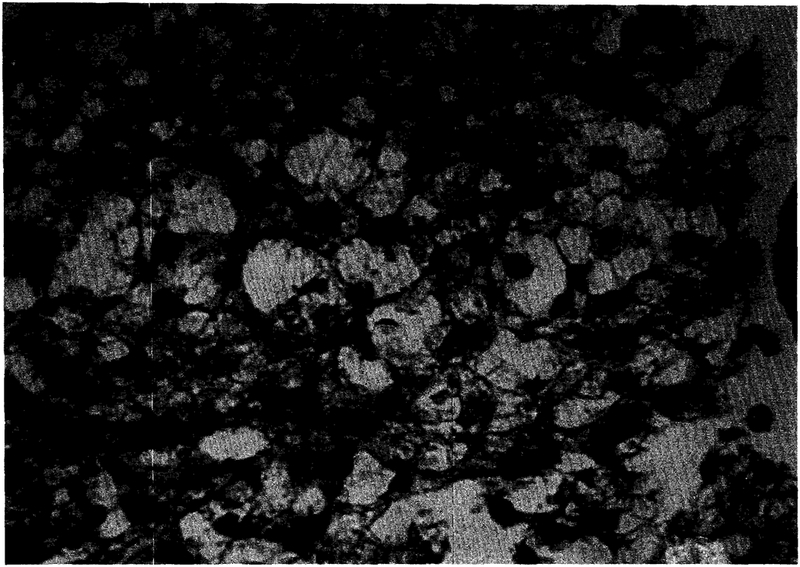
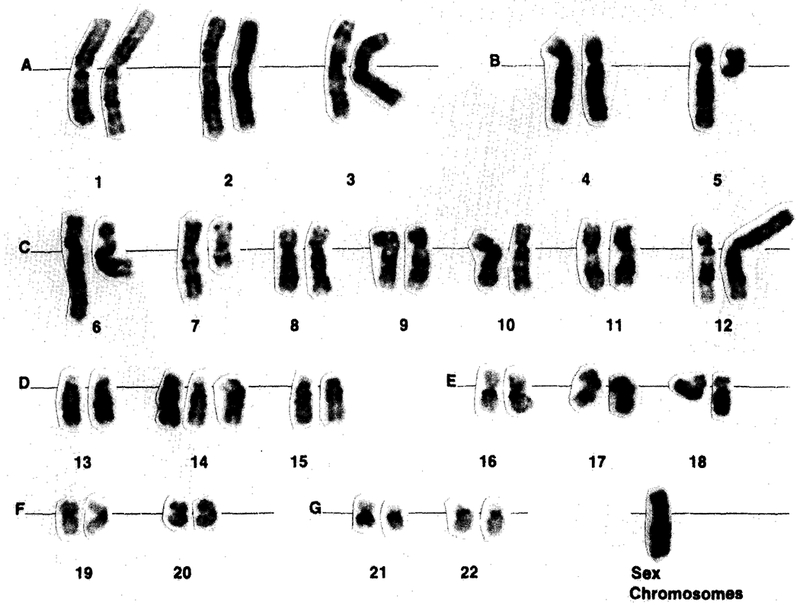
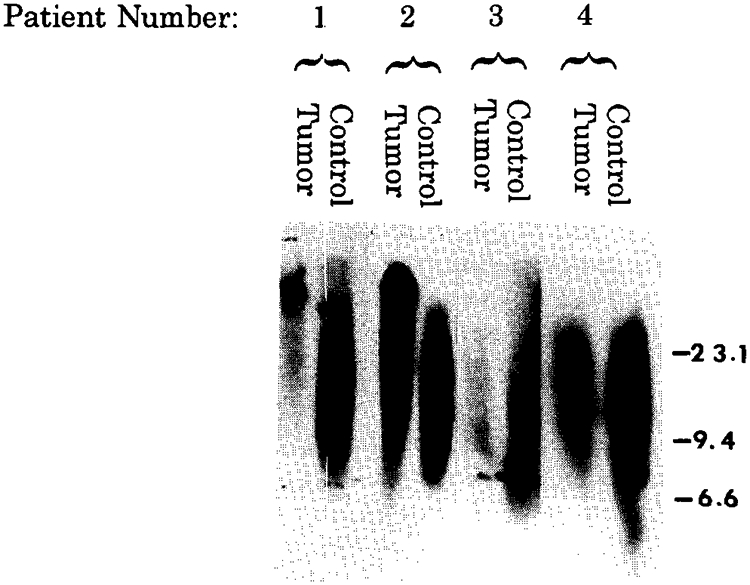
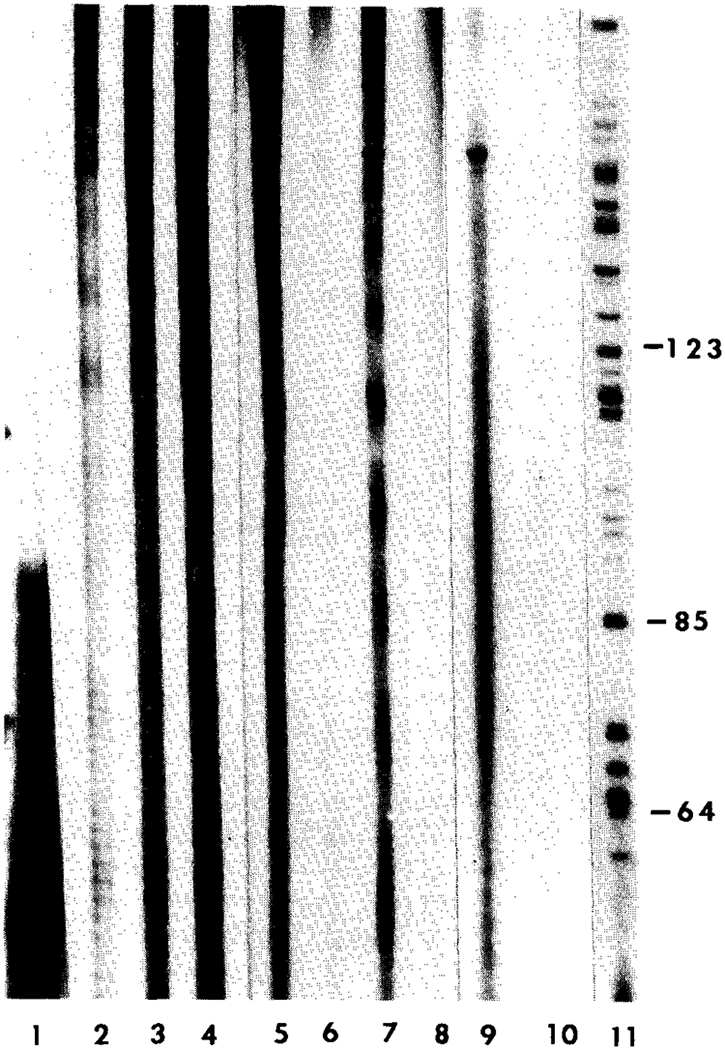
Lumbosacral chordomas are rare skeletal sarcomas of the spine that originate from the remnant notochord. The understanding of this human cancer is limited to observations of its clinical behavior and its embryonic link. Thus, we performed chromosome and molecular analyses from five surgically harvested chordomas in an effort to document genetic and biochemical abnormalities which might aid in understanding the tumor biology of this understudied neoplasm. Cytogenetic analysis of the five chordomas revealed normal results in four patients and random abnormalities in only one tumor cell in the 100 cells studied from the fifth patient. A repeat telomeric probe (TTAGGG)50 was hybridized to genomic DNA isolated from chordoma cells (and HeLa cells) and digested with HinfI. The tumor DNA was paired with leukocyte DNA from age-matched controls and revealed telomere elongation in four of the four chordoma patients studied with molecular genetic techniques. Conversely, telomere length reduction has been reported during in vitro senescence of human fibroblasts, giant cell tumor of bone, colon cancer, intracranial tumors, childhood leukemia, Wilms tumor, and in HeLa cells. Telomerase activity (telomerase is required to maintain telomere integrity) was also determined by visualizing the extension of radioactive telomeric repeats on DNA sequencing gels. The telomeric fragments were assembled during incubation of the cytoplasmic extract containing telomerase. Telomerase activity was observed in HeLa (positive control and commercially available cell line), giant cell tumor of bone (positive control tumor cells from living patients), and in chordoma cells from one of the two chordoma patients (but to a lesser degree compared with HeLa). As expected, the chordoma patients' fibroblasts exhibited no telomerase activity.
Figures
References
-
- Hecton JM, Turner PR (1980): Reflections on notochordal differentiation arising from a study of chordoma. Histopath 9:543–550. - PubMed
-
- Dahlin DC, McCarty LS (1952): Chordoma: A study of fifty-nine cases. Cancer 5:1170–1178. - PubMed
-
- Higinbotham NL, Phillips RF, Farr HW (1967): Chordoma: Thirty-five year study at Memorial Hospital. Cancer 20:1841–1850. - PubMed
-
- Kaiser TE, Pritchard DJ, Unni KK (1984): Clinico-pathological study of sacrococcygeal chordoma. Cancer 54:2574–2578. - PubMed
-
- Mindell ER (1981): Chordoma. J Bone Joint Surg 63A:501–505. - PubMed
MeSH terms
Substances
Grants and funding
LinkOut - more resources
Full Text Sources
