


Highly selective isolation of human DNAs from rodent-human hybrid cells as circular yeast artificial chromosomes by transformation-associated recombination cloning
- PMID: 8943037
- PMCID: PMC19470
- DOI: 10.1073/pnas.93.24.13925
Highly selective isolation of human DNAs from rodent-human hybrid cells as circular yeast artificial chromosomes by transformation-associated recombination cloning
Abstract
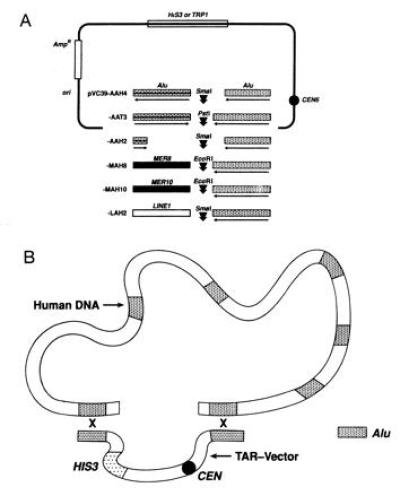
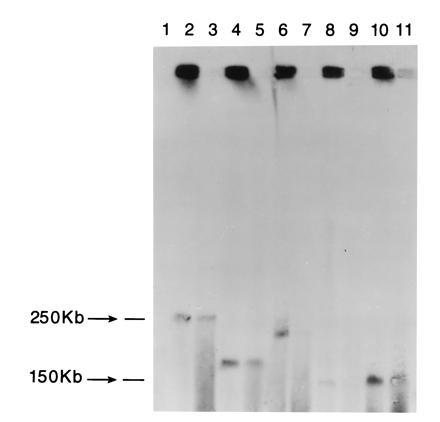
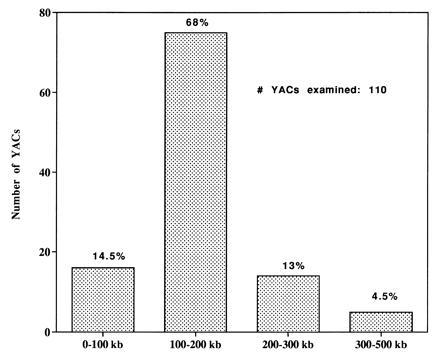
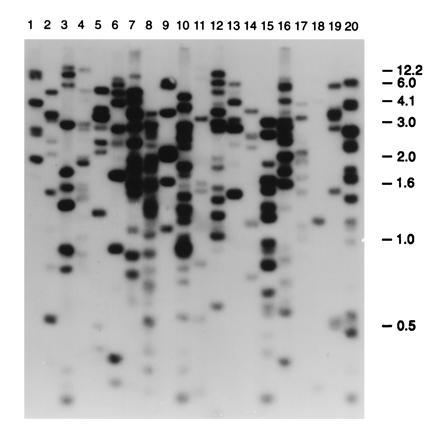
Transformation-associated recombination (TAR) can be exploited in yeast to clone human DNAs. TAR cloning was previously accomplished using one or two telomere-containing vectors with a common human repeat(s) that could recombine with human DNA during transformation to generate yeast artificial chromosomes (YACs). On basis of the proposal that broken DNA ends are more recombinogenic than internal sequences, we have investigated if TAR cloning could be applied to the generation of circular YACs by using a single centromere vector containing various human repeats at opposite ends. Transformation with these vectors along with human DNA led to the efficient isolation of circular YACs with a mean size of approximately 150 kb. The circular YACs are stable and they can be easily separated from yeast chromosomes or moved into bacterial cells if the TAR vector contains an Escherichia coli F-factor cassette. More importantly, circular TAR cloning enabled the selective isolation of human DNAs from monochromosomal human-rodent hybrid cell lines. Although < 2% of the DNA in the hybrid cells was human, as much as 80% of transformants had human DNA YACs when a TAR cloning vector contained Alu repeats. The level of enrichment of human DNA was nearly 3000-fold. A comparable level of enrichment was demonstrated with DNA isolated from a radiation hybrid cell line containing only 5 Mb of human DNA. A high selectivity of human DNA cloning was also observed for linear TAR cloning with two telomere vectors. No human-rodent chimeras were detected among YACs generated by TAR cloning. The results with a circular TAR cloning vector or two vectors differed from results with a single-telomere vector in that the latter often resulted in a series of terminal deletions in linear YACs. This could provide a means for physical mapping of cloned material.
Figures
References
Publication types
MeSH terms
Substances
Grants and funding
LinkOut - more resources
Full Text Sources
Other Literature Sources
Research Materials
Miscellaneous
