Intracellular adenosine triphosphate (ATP) concentration: a switch in the decision between apoptosis and necrosis
- PMID: 9126928
- PMCID: PMC2196283
- DOI: 10.1084/jem.185.8.1481
Intracellular adenosine triphosphate (ATP) concentration: a switch in the decision between apoptosis and necrosis
Abstract
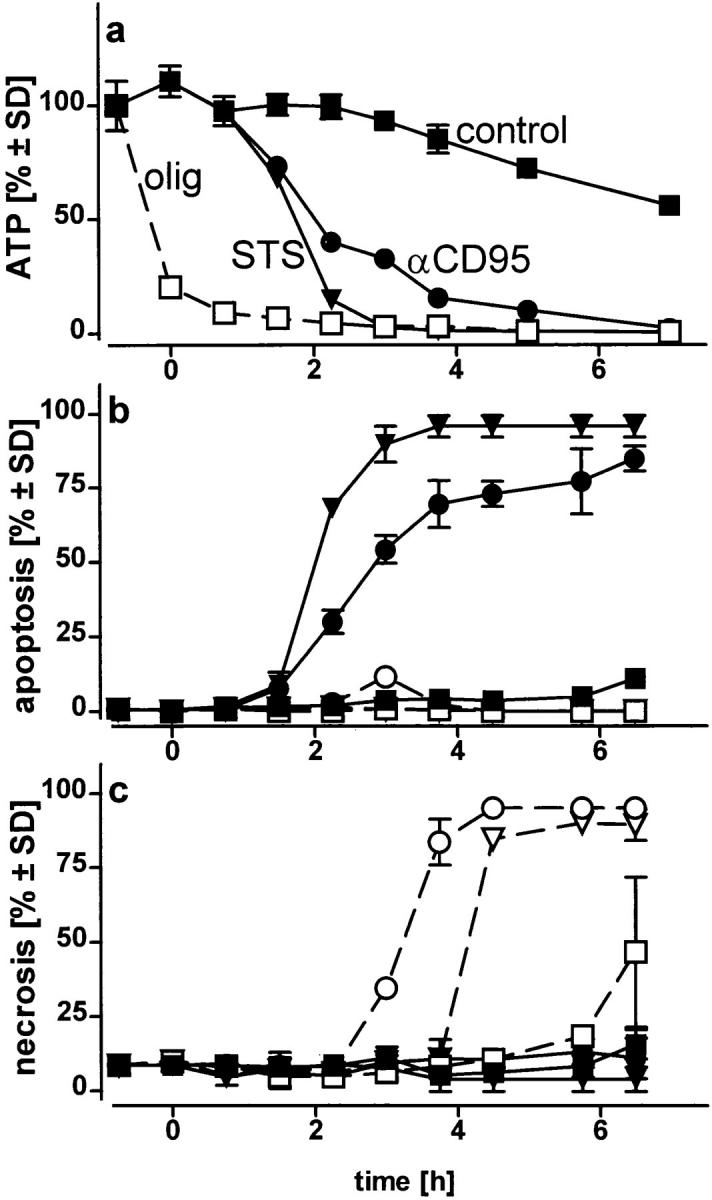
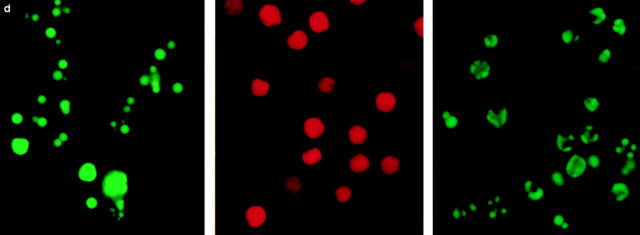
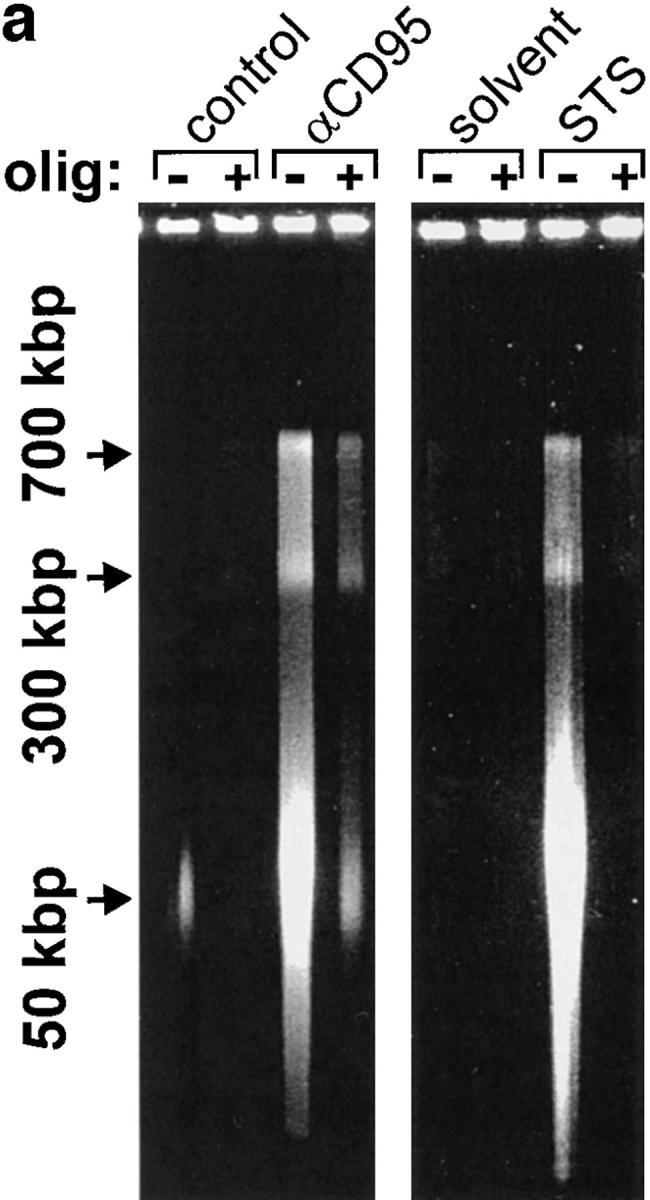
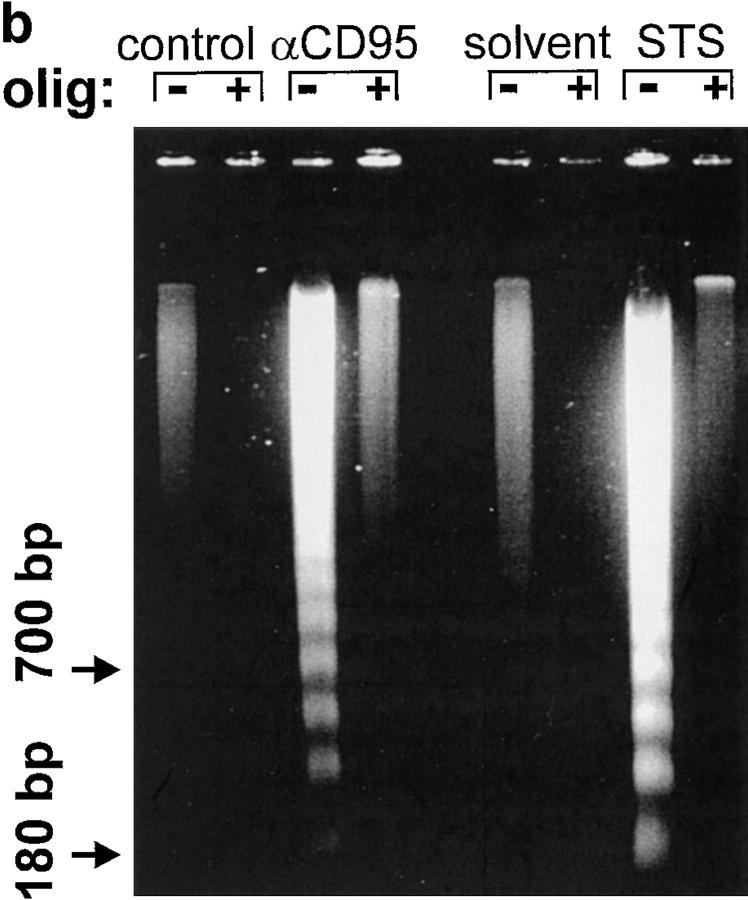
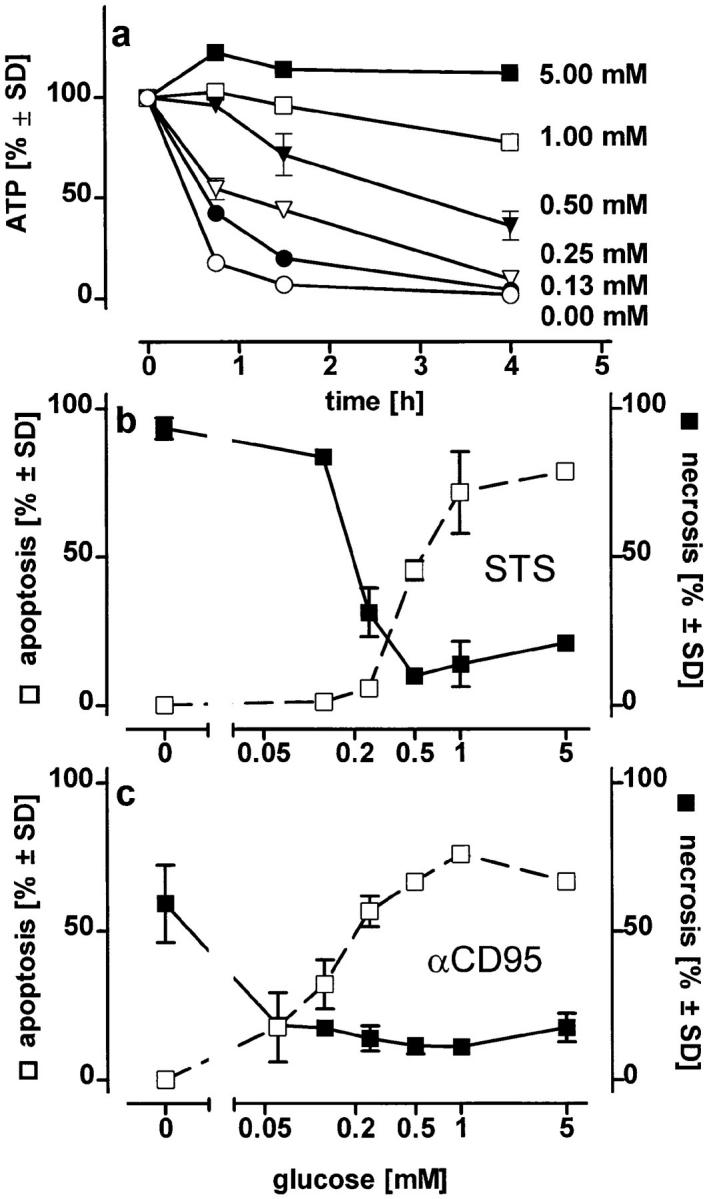
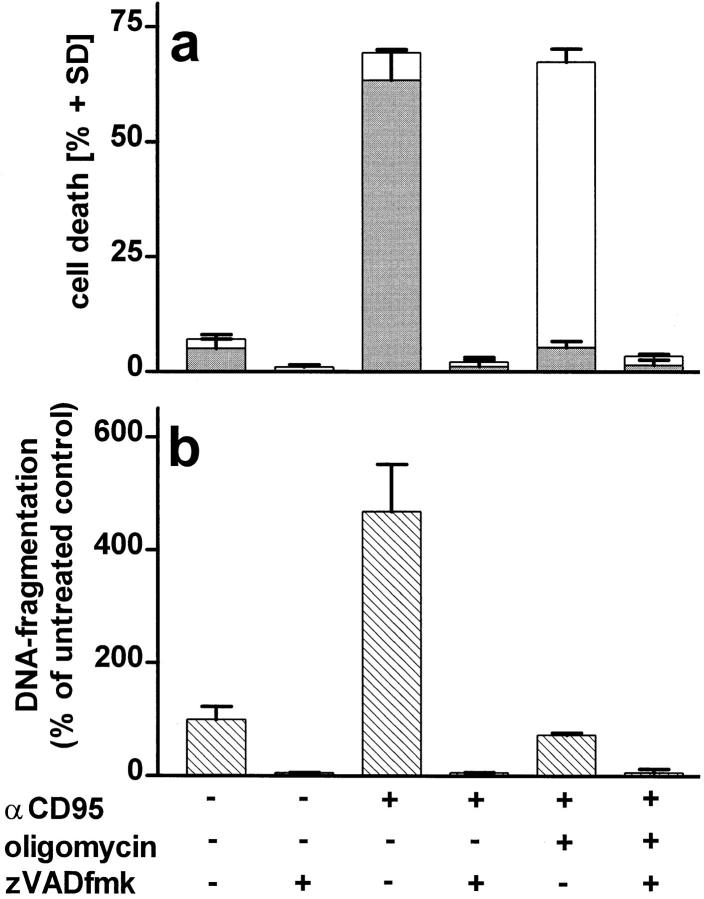
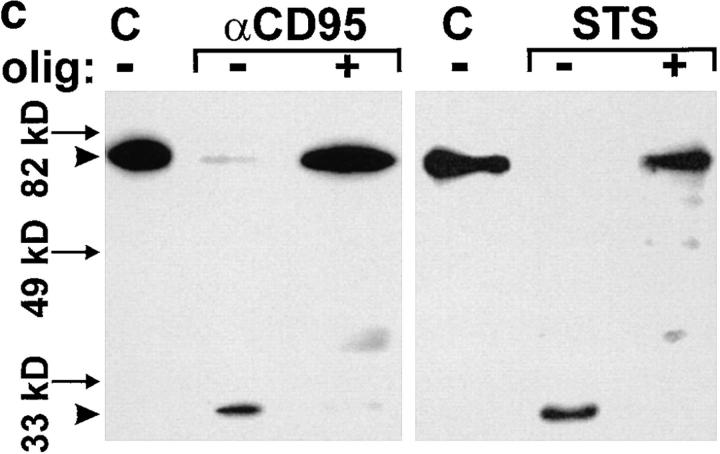
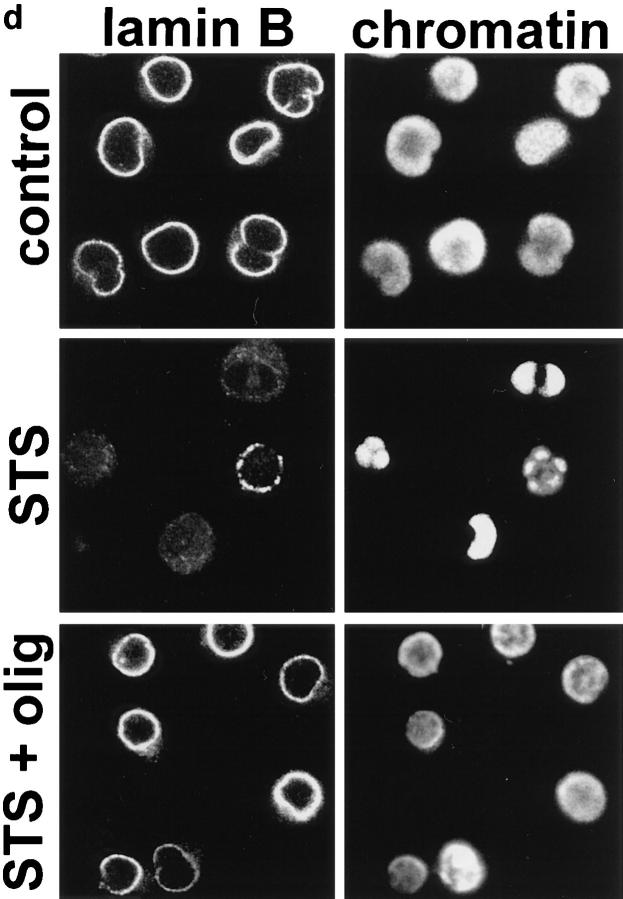
Apoptosis and necrosis are considered conceptually and morphologically distinct forms of cell death. Here, we report that demise of human T cells caused by two classic apoptotic triggers (staurosporin and CD95 stimulation) changed from apoptosis to necrosis, when cells were preemptied of adenosine triphosphate (ATP). Nuclear condensation and DNA fragmentation did not occur in cells predepleted of ATP and treated with either of the two inducers, although the kinetics of cell death were unchanged. Selective and graded repletion of the extramitochondrial ATP/pool with glucose prevented necrosis and restored the ability of the cells to undergo apoptosis. Pulsed ATP/depletion/repletion experiments also showed that ATP generation either by glycolysis or by mitochondria was required for the active execution of the final phase of apoptosis, which involves nuclear condensation and DNA degradation.
Figures

References
-
- Wyllie AH, Kerr JF, Currie AR. Cell death: the significance of apoptosis. Int Rev Cytol. 1980;68:251–306. - PubMed
-
- Shimizu S, Eguchi Y, Kamiike W, Itoh Y, Hasegawa J, Yamabe K, Otsuki Y, Matsuda H, Tsujimoto Y. Induction of apoptosis as well as necrosis by hypoxia and predominant prevention of apoptosis by Bcl-2 and Bcl-xL. Cancer Res. 1996;56:2161–2166. - PubMed
-
- Ankarcrona M, Dypbukt JM, Bonfoco E, Zhivotovsky B, Orrenius S, Lipton SA, Nicotera P. Glutamateinduced neuronal death: a succession of necrosis or apoptosis depending on mitochondrial function. Neuron. 1995;15:961–973. - PubMed
Publication types
MeSH terms
Substances
LinkOut - more resources
Full Text Sources
Other Literature Sources
Research Materials