Antigen presentation by dendritic cells after immunization with DNA encoding a major histocompatibility complex class II-restricted viral epitope
- PMID: 9348305
- PMCID: PMC2199124
- DOI: 10.1084/jem.186.9.1481
Antigen presentation by dendritic cells after immunization with DNA encoding a major histocompatibility complex class II-restricted viral epitope
Abstract
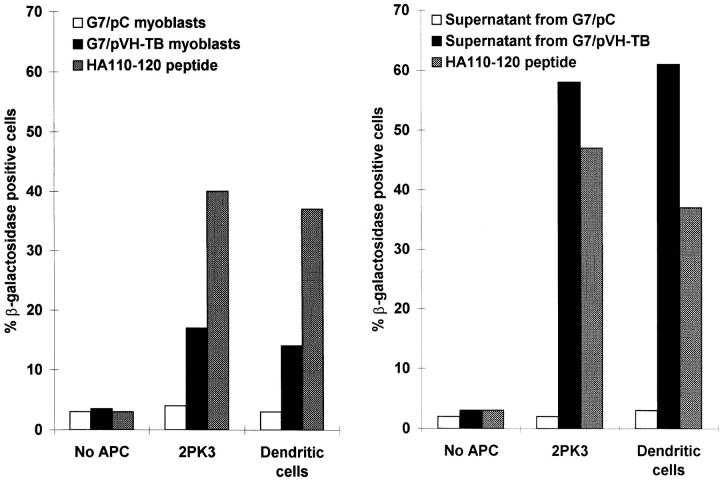
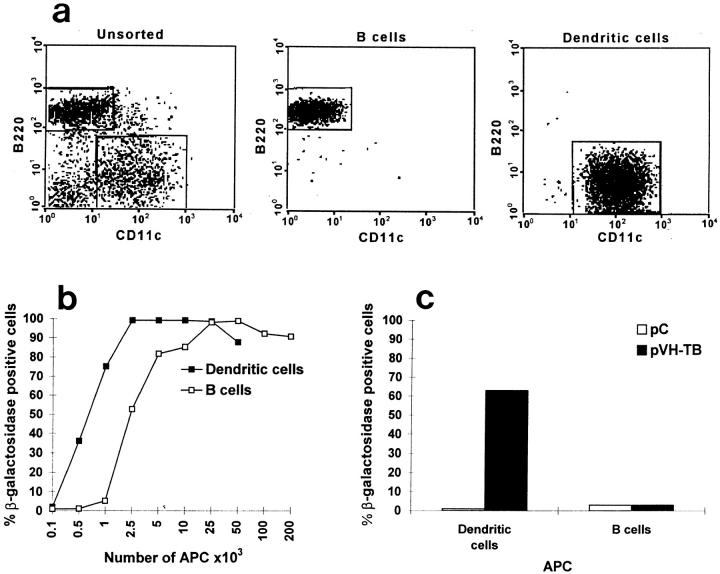
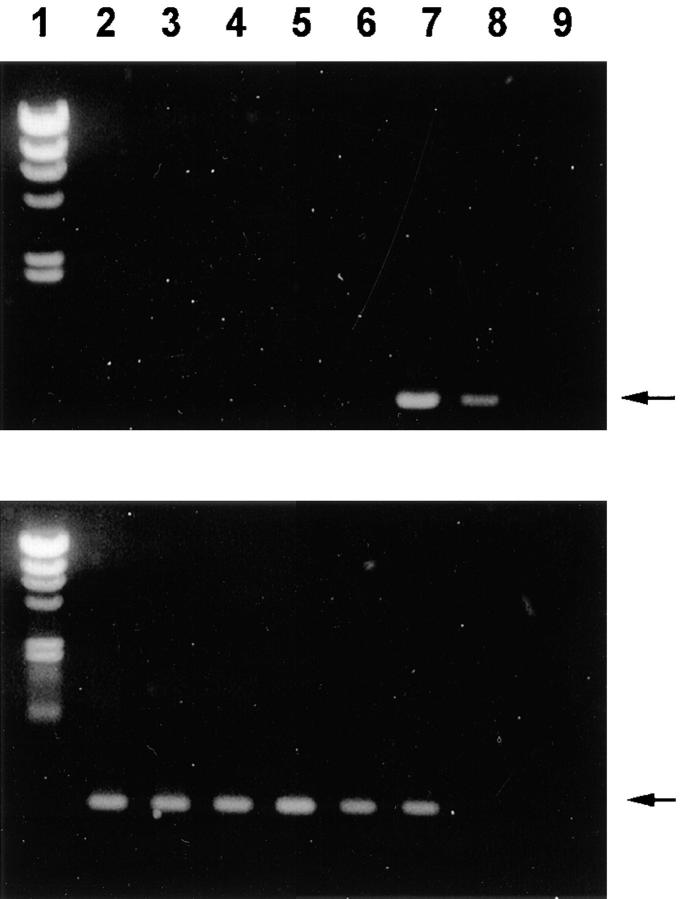
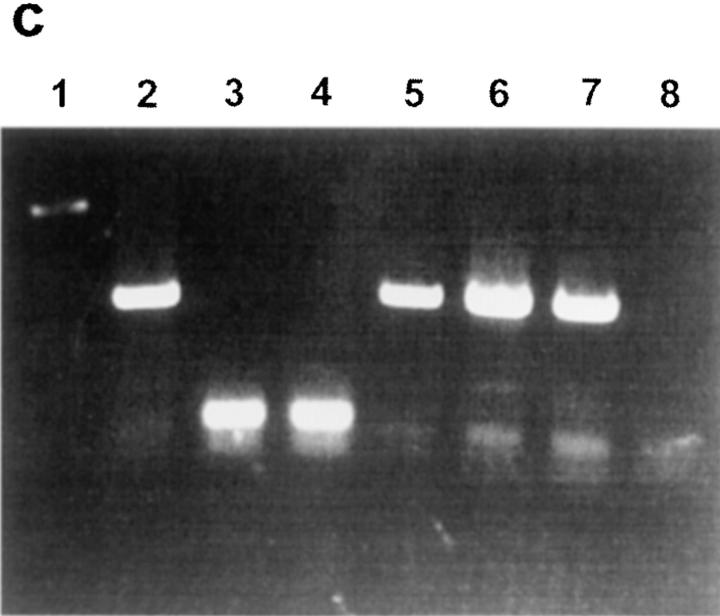
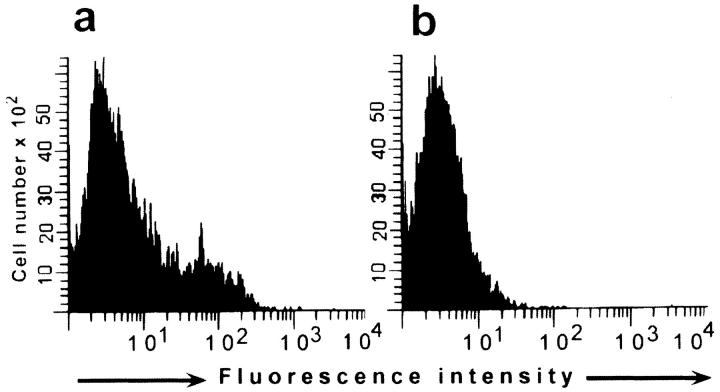
Intramuscular and intracutaneous immunization with naked DNA can vaccinate animals to the encoded proteins, but the underlying mechanisms of antigen presentation are unclear. We used DNA that encodes an A/PR/8/34 influenza peptide for CD4 T cells and that elicits protective antiviral immunity. DNA-transfected, cultured muscle cells released the influenza polypeptide, which then could be presented on the major histocompatibility complex class II molecules of dendritic cells. When DNA was injected into muscles or skin, and antigen-presenting cells were isolated from either the draining lymph nodes or the skin, dendritic, but not B, cells presented antigen to T cells and carried plasmid DNA. We suggest that the uptake of DNA and/or the protein expressed by dendritic cells triggers immune responses to DNA vaccines.
Figures
References
-
- Ito Y. A tumor-producing factor extracted by phenol from papillomatous tissue (Shope) of cottontail rabbits. Virology. 1960;12:596–601. - PubMed
-
- Atanasiu P. Production of tumors in hamsters by inoculation of DNA extracted from cultures of tissues infected with polyoma virus. CR Acad Sci. 1962;254:4228–4230. - PubMed
-
- Wolff JA, Malone RW, Williams P, Chong W, Acsadi G, Jani A, Felgner PL. Direct gene transfer into mouse muscle in vivo. Science (Wash DC) 1990;247:1465–1468. - PubMed
-
- Tang D, Devit M, Johnson SA. Genetic immunization is a simple method for eliciting an immune response. Nature (Lond) 1992;356:152–155. - PubMed
-
- Ulmer JB, Donnelly JJ, Parker SE, Rhodes GH, Felgner PL, Dwarki VJ, Gromkowski SH, Deck RR, Dewitt CM, Friedman A, et al. Heterologous protection against influenza by injection of DNA encoding a viral protein. Science (Wash DC) 1993;259:1745–1749. - PubMed
Publication types
MeSH terms
Substances
Grants and funding
LinkOut - more resources
Full Text Sources
Other Literature Sources
Molecular Biology Databases
Research Materials