


Wolbachia, normally a symbiont of Drosophila, can be virulent, causing degeneration and early death
- PMID: 9380712
- PMCID: PMC23488
- DOI: 10.1073/pnas.94.20.10792
Wolbachia, normally a symbiont of Drosophila, can be virulent, causing degeneration and early death
Abstract
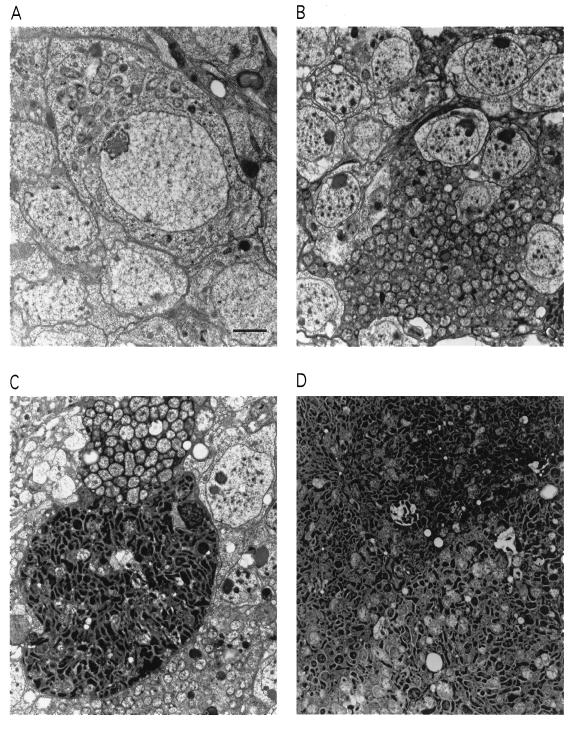
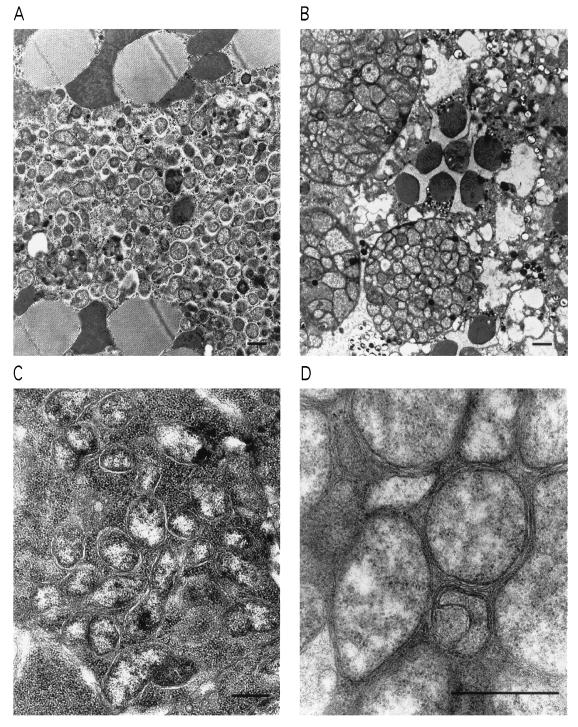
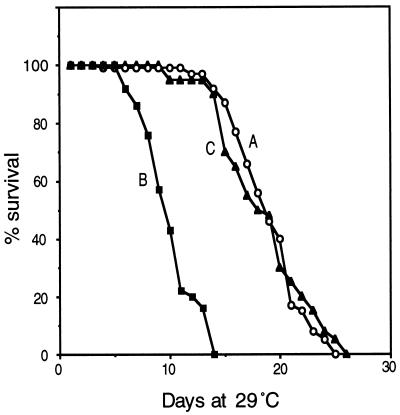
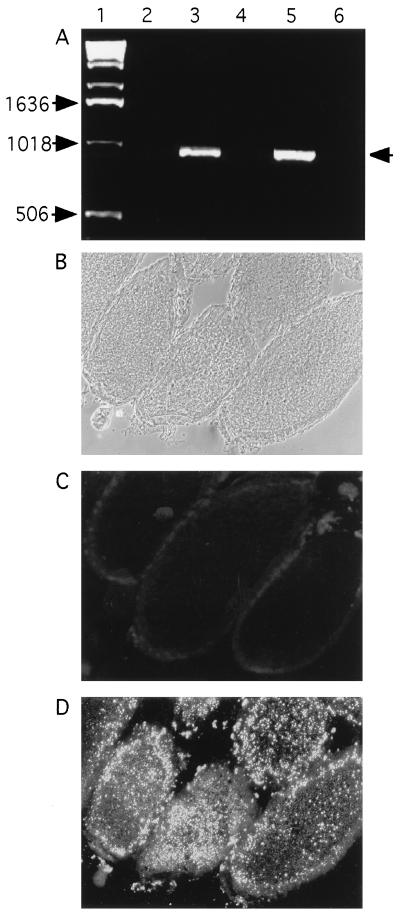
Wolbachia, a maternally transmitted microorganism of the Rickettsial family, is known to cause cytoplasmic incompatibility, parthenogenesis, or feminization in various insect species. The bacterium-host relationship is usually symbiotic: incompatibility between infected males and uninfected females can enhance reproductive isolation and evolution, whereas the other mechanisms enhance progeny production. We have discovered a variant Wolbachia carried by Drosophila melanogaster in which this cozy relationship is abrogated. Although quiescent during the fly's development, it begins massive proliferation in the adult, causing widespread degeneration of tissues, including brain, retina, and muscle, culminating in early death. Tetracycline treatment of carrier flies eliminates both the bacteria and the degeneration, restoring normal life-span. The 16s rDNA sequence is over 98% identical to Wolbachia known from other insects. Examination of laboratory strains of D. melanogaster commonly used in genetic experiments reveals that a large proportion actually carry Wolbachia in a nonvirulent form, which might affect their longevity and behavior.
Figures
References
-
- Hackstadt T. Infect Agents Dis. 1996;5:127–143. - PubMed
-
- Werren J H, Zhang W, Guo L R. Proc R Soc London B. 1995;261:55–71.
-
- Karr T L. Curr Biol. 1994;4:537–540. - PubMed
-
- Werren J H. Annu Rev Entomol. 1997;42:587–609. - PubMed
-
- Stouthamer R, Breeuwer J A J, Luck R F, Werren J H. Nature (London) 1993;361:66–68. - PubMed
Publication types
MeSH terms
Grants and funding
LinkOut - more resources
Full Text Sources
Other Literature Sources
Molecular Biology Databases
