


Activated pulmonary macrophages are insufficient for resistance against Pneumocystis carinii
- PMID: 9423872
- PMCID: PMC107891
- DOI: 10.1128/IAI.66.1.305-314.1998
Activated pulmonary macrophages are insufficient for resistance against Pneumocystis carinii
Abstract
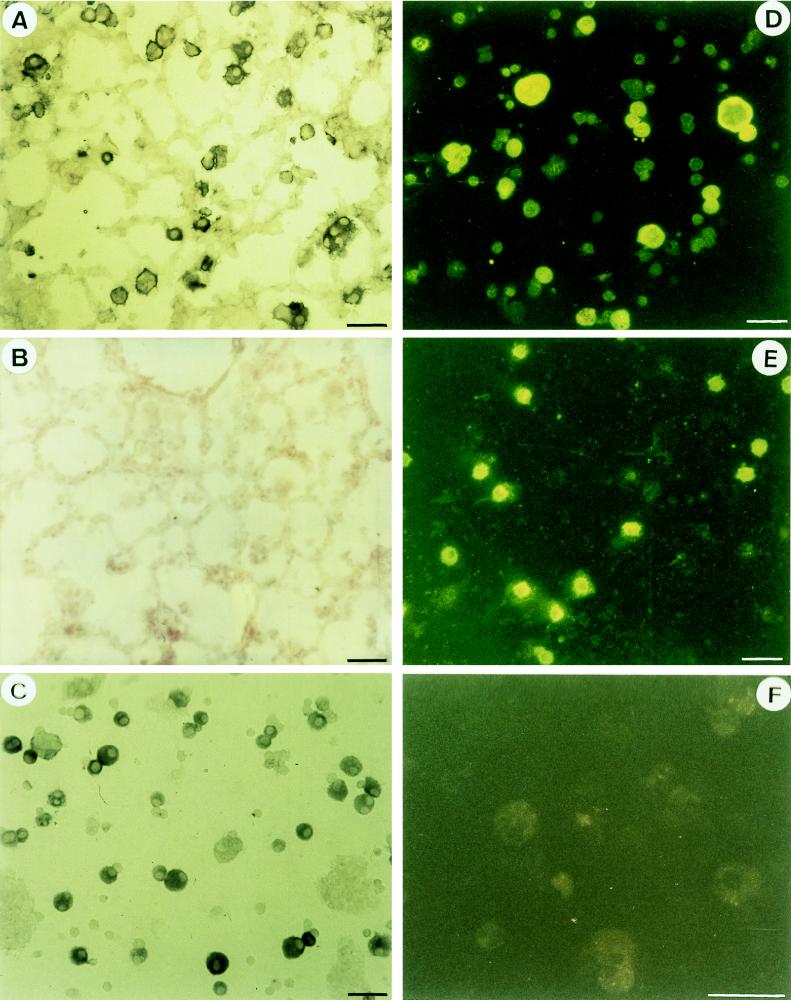
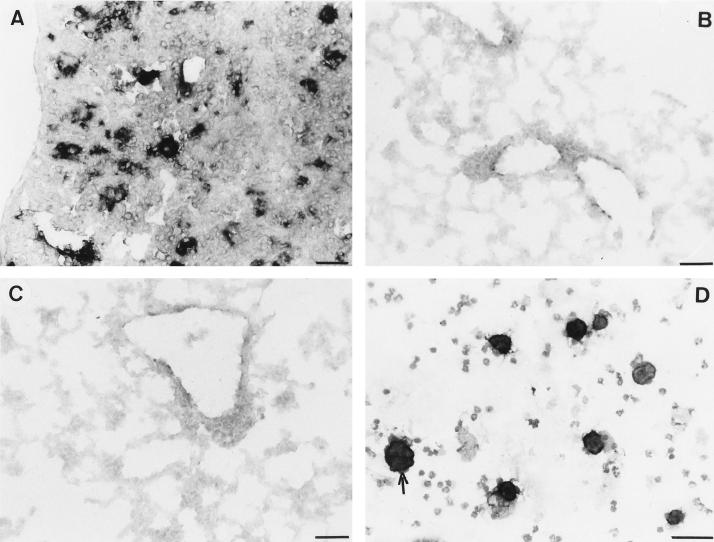
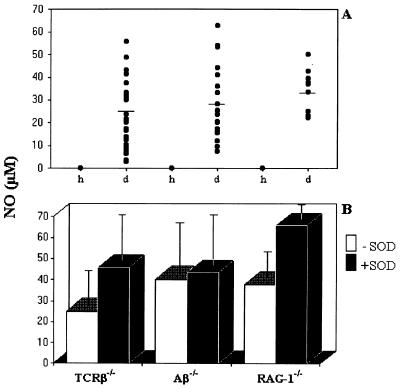
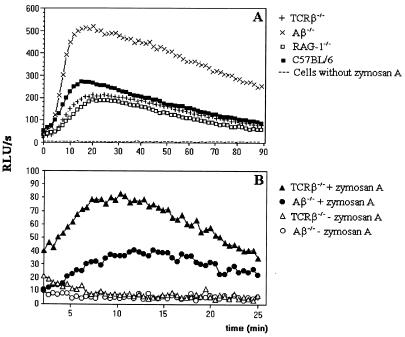
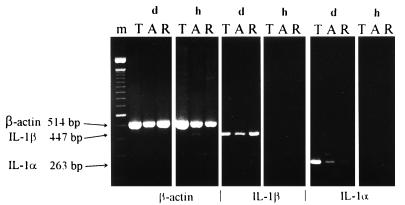
CD4+ T cells are pivotal for elimination of Pneumocystis carinii from infected lungs, and alveolar macrophages are considered the main effector cells clearing the infected host of P. carinii organisms. To investigate this issue, several mutant mouse strains were used in a previously established experimental setup which facilitates natural acquisition of disease through inhalation of airborne fungal organisms. Mutant mice deficient in major histocompatibility complex class II molecules (A beta(-/-)), T-cell receptor alphabeta cells (TCR beta(-/-)), or all mature T and B lymphocytes (RAG-1(-/-)) were naturally susceptible to P. carinii, whereas mouse mutants lacking the gamma interferon (IFN-gamma) receptor (IFN-gamma-R(-/-)) or tumor necrosis factor alpha (TNF-alpha) type I receptor (p55) (TNF-alpha-RI(-/-)) resisted disease acquisition. Analysis of pulmonary cytokine patterns and free radical expression revealed the presence of superoxide, nitric oxide, and interleukin-1 (IL-1) mRNA and elevated levels of IFN-gamma, TNF-alpha, and IL-12 in diseased TCR beta(-/-) and RAG-1(-/-) mice. Pulmonary macrophages of all diseased mouse mutants expressed scavenger and mannose receptors. Morbid A beta(-/-) mutants displayed significant NO levels and IL-1 mRNA only, whereas heterozygous controls did not exhibit any signs of disease. Interestingly, neither IFN-gamma nor TNF-alpha appeared to be essential for resisting natural infection with P. carinii, nor were these cytokines sufficient for mediating resistance during established disease in the absence of CD4+ T lymphocytes. Taken together, the results indicated that an activated phagocyte system, as evidenced by cytokine and NO secretion, in diseased mutants was apparently operative but did not suffice for parasite clearance in the absence of CD4+ TCR alphabeta cells. Therefore, additional pathways, possibly involving interactions of inflammatory cytokines with CD4+ T lymphocytes, must contribute to successful resistance against P. carinii.
Figures


References
-
- Abe E, Ishimi Y, Tanaka H, Miyaura C, Nagasawa H, Hayashi T, Suda T. The relationship between fusion and proliferation in mouse alveolar macrophages. Endocrinology. 1986;121:271–277. - PubMed
-
- Bendelac A, Rivera M N, Park S-H, Roark J H. Mouse CD1-specific NK cells: development, specificity, function. Annu Rev Immunol. 1997;15:535–562. - PubMed
-
- Celada A, Nathan C. Macrophage activation revisited. Immunol Today. 1994;15:100–102. - PubMed
Publication types
MeSH terms
Substances
LinkOut - more resources
Full Text Sources
Molecular Biology Databases
Research Materials
