


Virus attenuation after deletion of the cytomegalovirus Fc receptor gene is not due to antibody control
- PMID: 9445038
- PMCID: PMC124616
- DOI: 10.1128/JVI.72.2.1377-1382.1998
Virus attenuation after deletion of the cytomegalovirus Fc receptor gene is not due to antibody control
Abstract
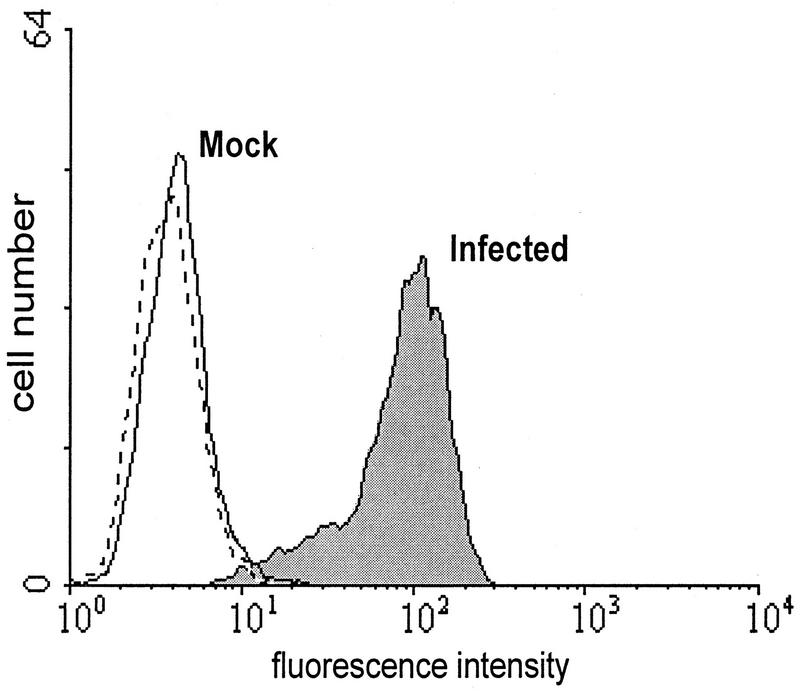
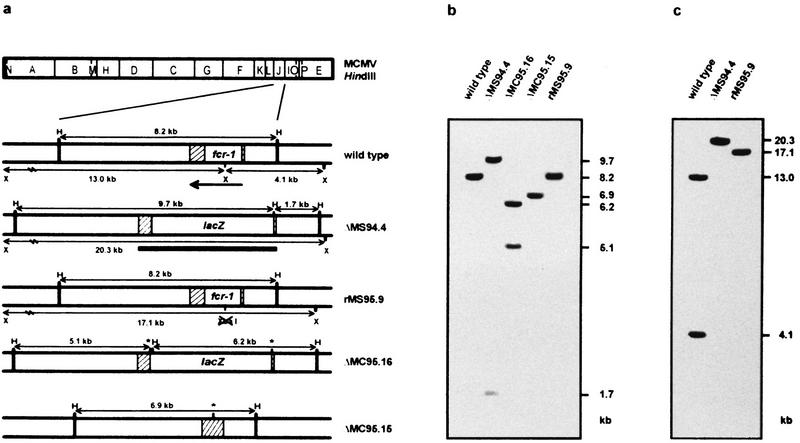
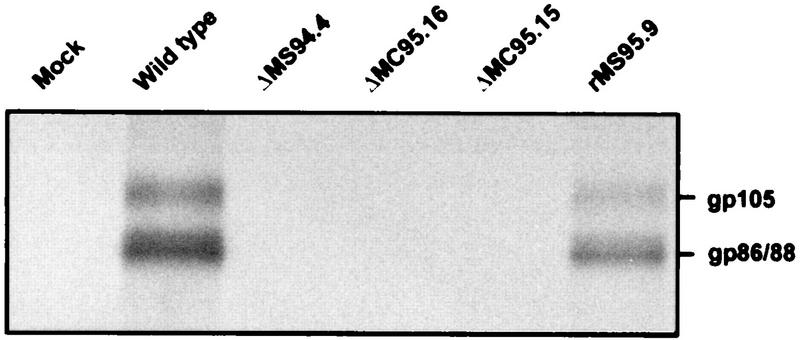
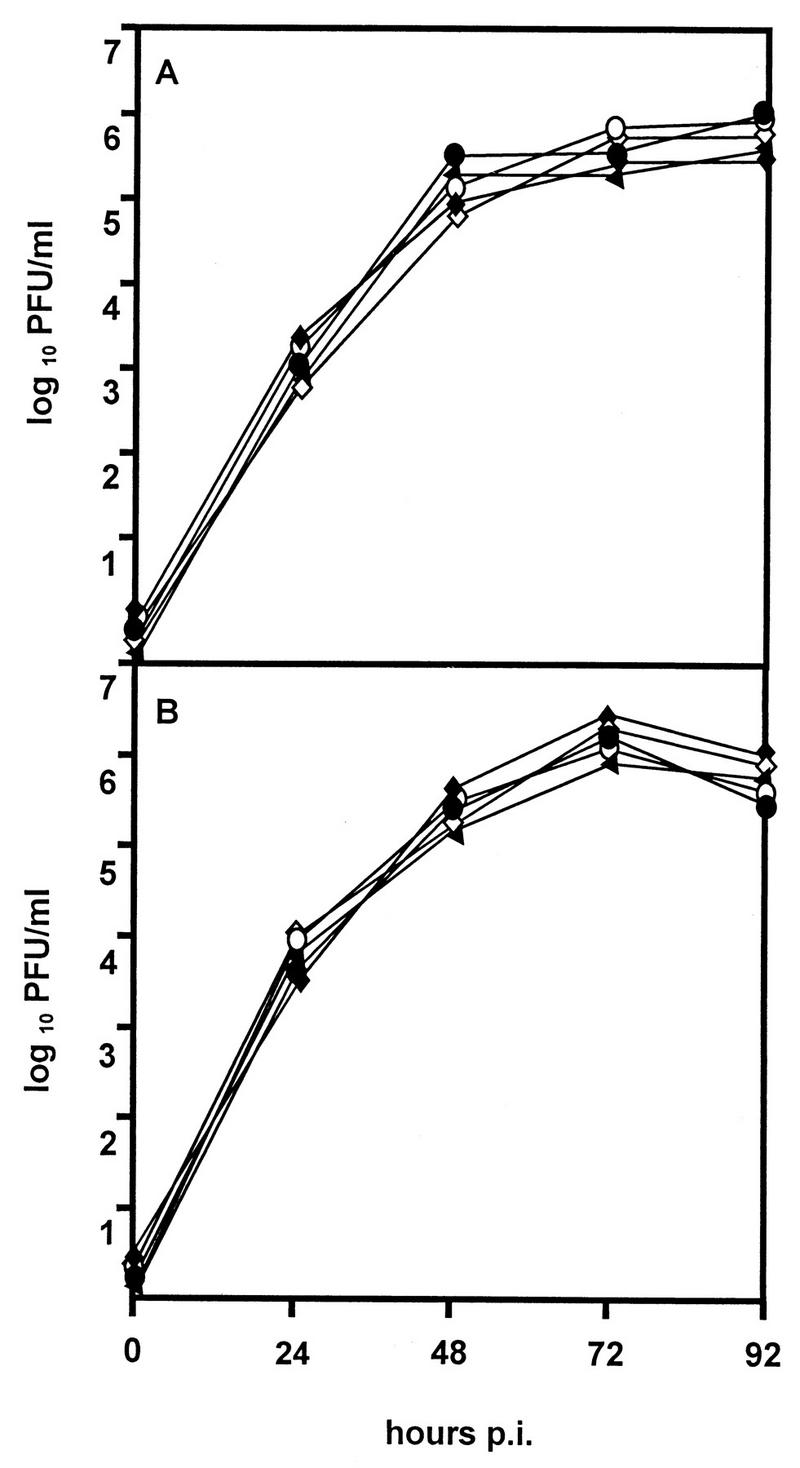
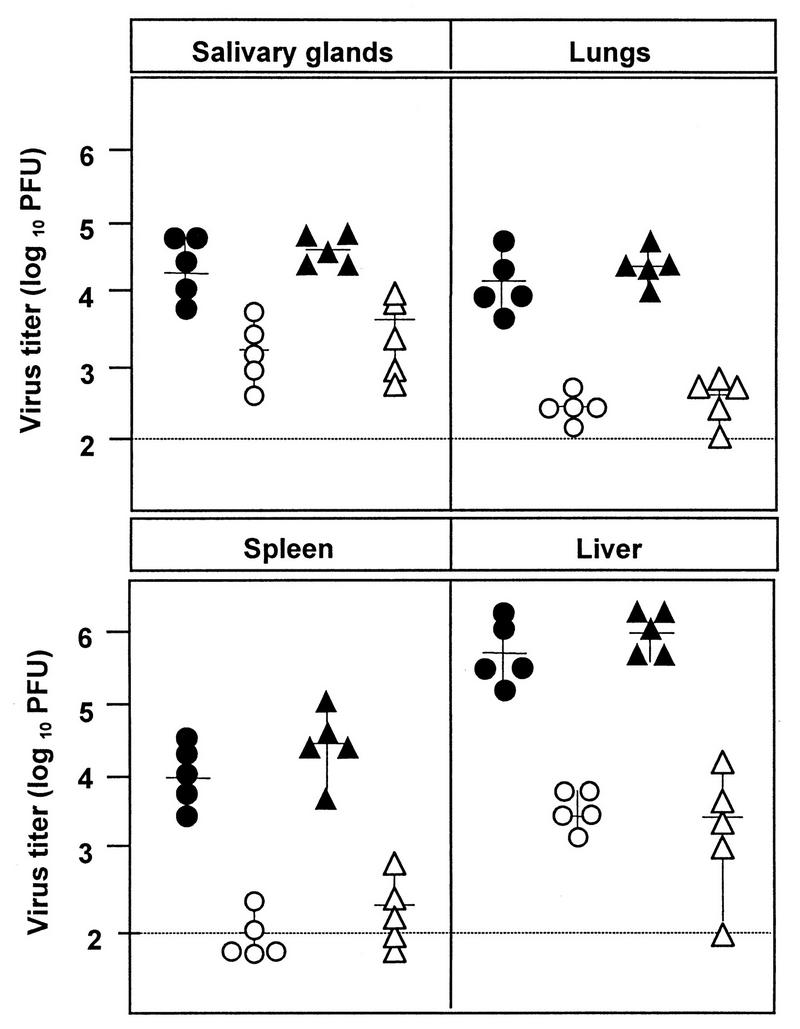
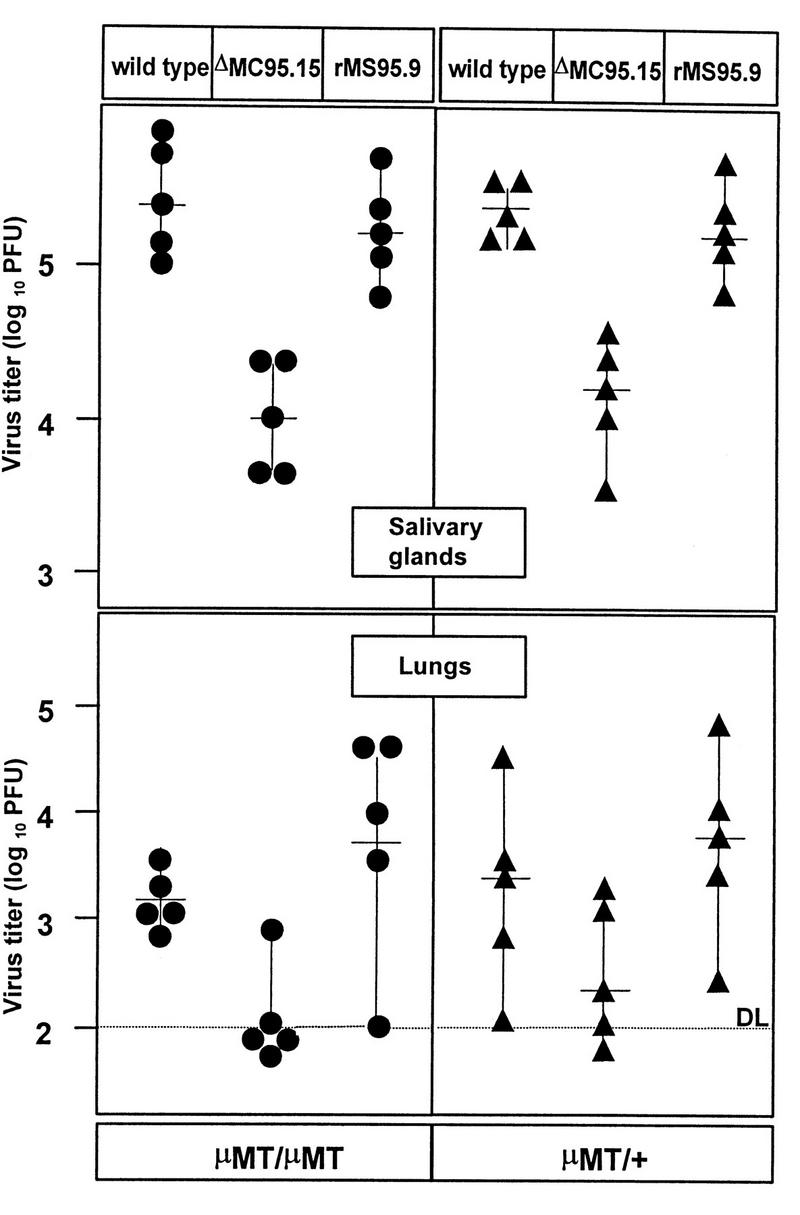
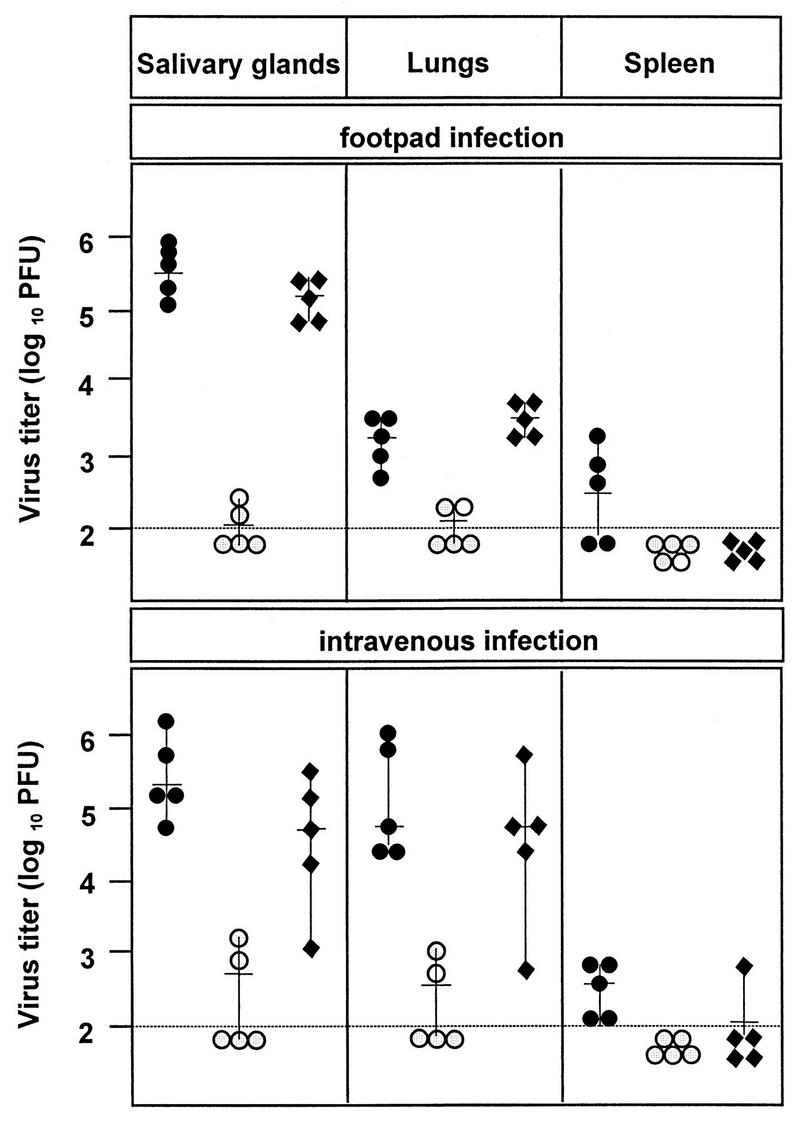
The murine cytomegalovirus (MCMV) fcr-1 gene codes for a glycoprotein located at the surface of infected cells which strongly binds the Fc fragment of murine immunoglobulin G. To determine the biological significance of the fcr-1 gene during viral infection, we constructed MCMV fcr-1 deletion mutants and revertants. The fcr-1 gene was disrupted by insertion of the Escherichia coli lacZ gene. In another mutant, the marker gene was also deleted, by recombinase cre. As expected for its hypothetical role in immunoevasion, the infection of mice with fcr-1 deletion mutants resulted in significantly restricted replication in comparison with wild-type MCMV and revertant virus. In mutant mice lacking antibodies, however, the fcr-1 deletion mutants also replicated poorly. This demonstrated that the cell surface-expressed viral glycoprotein with FcR activity strongly modulates the virus-host interaction but that this biological function is not caused by the immunoglobulin binding property.
Figures
References
-
- Beersma M F C, Bijlmakers M J E, Ploegh H L. Human cytomegalovirus down-regulates HLA class I expression by reducing the stability of class I heavy chains. J Immunol. 1993;51:4455–4464. - PubMed
-
- Chou J, Kern E R, Whitley R J, Roizman B. Mapping of herpes simplex virus-1 neurovirulence to γ134.5, a gene nonessential for growth in culture. Science. 1990;250:1262–1266. - PubMed
Publication types
MeSH terms
Substances
LinkOut - more resources
Full Text Sources
Other Literature Sources
Research Materials
