


Molecular characterization of a phage-inducible middle promoter and its transcriptional activator from the lactococcal bacteriophage phi31
- PMID: 9473048
- PMCID: PMC106973
- DOI: 10.1128/JB.180.4.921-931.1998
Molecular characterization of a phage-inducible middle promoter and its transcriptional activator from the lactococcal bacteriophage phi31
Abstract
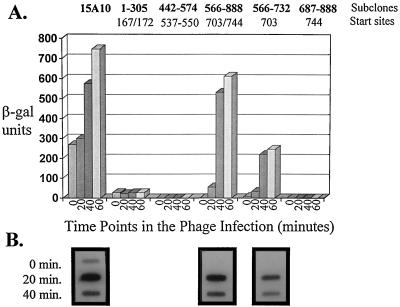
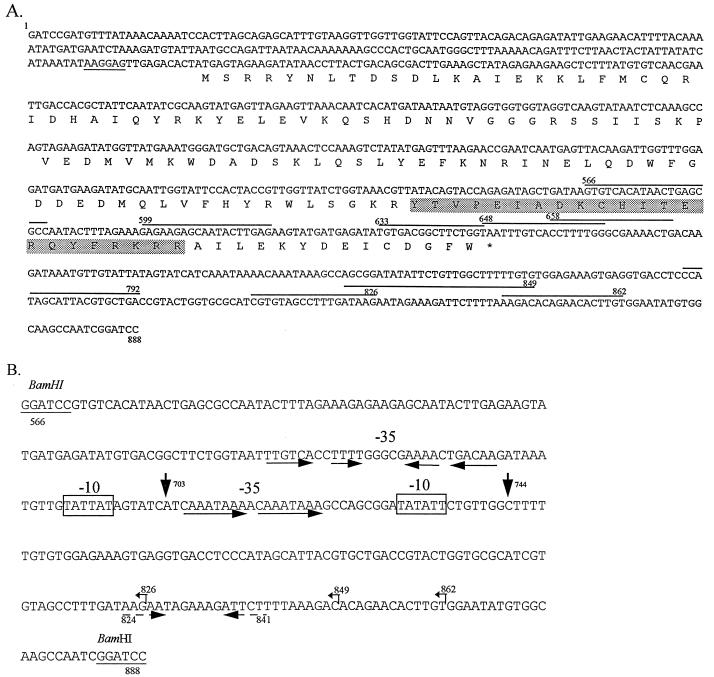
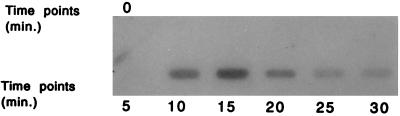
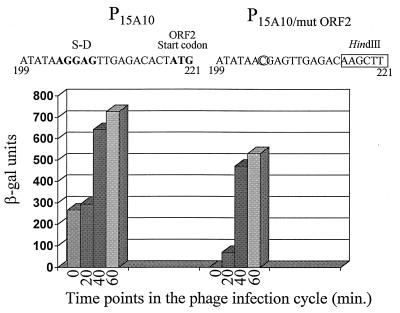
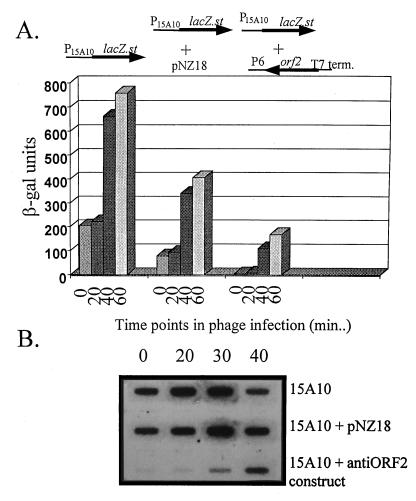
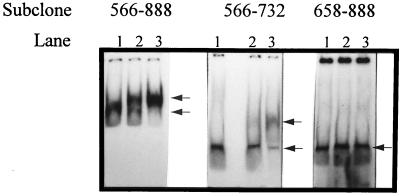
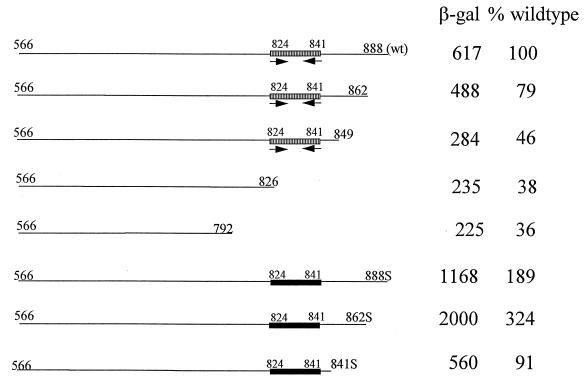
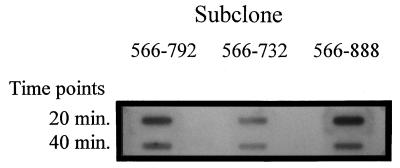
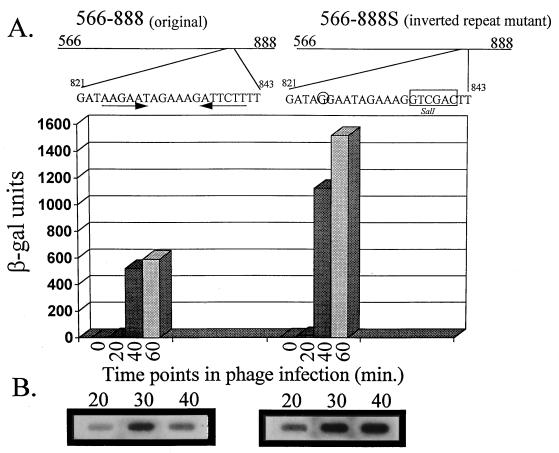
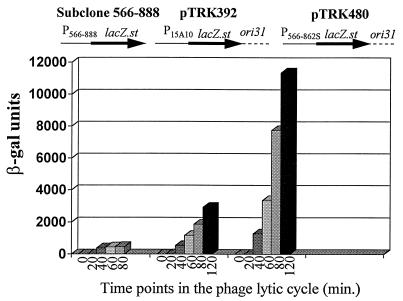
An inducible middle promoter from the lactococcal bacteriophage phi31 was isolated previously by shotgun cloning an 888-bp fragment (P15A10) upstream of the beta-galactosidase (beta-Gal) gene (lacZ.st) from Streptococcus thermophilus (D. J. O'Sullivan, S. A. Walker, S. G. West, and T. R. Klaenhammer, Bio/Technology 14:82-87, 1996). The promoter showed low levels of constitutive beta-Gal activity which could be induced two- to threefold over baseline levels after phage infection. During this study, the fragment was subcloned and characterized to identify a smaller, tightly regulated promoter fragment which allowed no beta-Gal activity until after phage infection. This fragment, defined within nucleotides 566 to 888 (P(566-888); also called fragment 566-888), contained tandem, phage-inducible transcription start sites at nucleotides 703 and 744 (703/744 start sites). Consensus -10 regions were present upstream of both start sites, but no consensus -35 regions were identified for either start site. A transcriptional activator, encoded by an open reading frame (ORF2) upstream of the 703/744 start sites, was identified for P(566-888). ORF2 activated P(566-888) when provided in trans in Escherichia coli. In addition, when combined with pTRK391 (P15A10::lacZ.st) in Lactococcus lactis NCK203, an antisense ORF2 construct was able to retard induction of the phage-inducible promoter as measured by beta-Gal activity levels. Finally, gel shift assays showed that ORF2 was able to bind to promoter fragment 566-888. Deletion analysis of the region upstream from the tandem promoters identified a possible binding site for transcriptional activation of the phage promoters. The DNA-binding ability of ORF2 was eliminated upon deletion of part of this region, which lies centered approximately 35 bp upstream of start site 703. Deletion analysis and mutagenesis studies also elucidated a critical region downstream of the 703/744 start sites, where mutagenesis resulted in a two- to threefold increase in beta-Gal activity. With these improvements, the level of expression achieved by an explosive-expression strategy was elevated from 3,000 to 11,000 beta-Gal units within 120 min after induction.
Figures

References
-
- Altschul S F, Gish W, Miller W, Myers E W, Lipman D J. Basic local alignment search tool. J Mol Biol. 1990;215:403–410. - PubMed
-
- Casabadan M J, Cohen S N. Analysis of gene control signals by DNA fusion and cloning in Escherichia coli. J Mol Biol. 1980;138:179–207. - PubMed
-
- Chung D K, Chung S K, Batt C A. Antisense RNA directed against the major capsid protein of Lactococcus lactis subsp. cremoris bacteriophage F4-1 confers partial resistance to the host. Appl Microbiol Biotechnol. 1992;37:79–83. - PubMed
Publication types
MeSH terms
Substances
LinkOut - more resources
Full Text Sources
Other Literature Sources
