


Distribution of the tetrodotoxin-resistant sodium channel PN3 in rat sensory neurons in normal and neuropathic conditions
- PMID: 9482802
- PMCID: PMC6792911
- DOI: 10.1523/JNEUROSCI.18-06-02174.1998
Distribution of the tetrodotoxin-resistant sodium channel PN3 in rat sensory neurons in normal and neuropathic conditions
Abstract
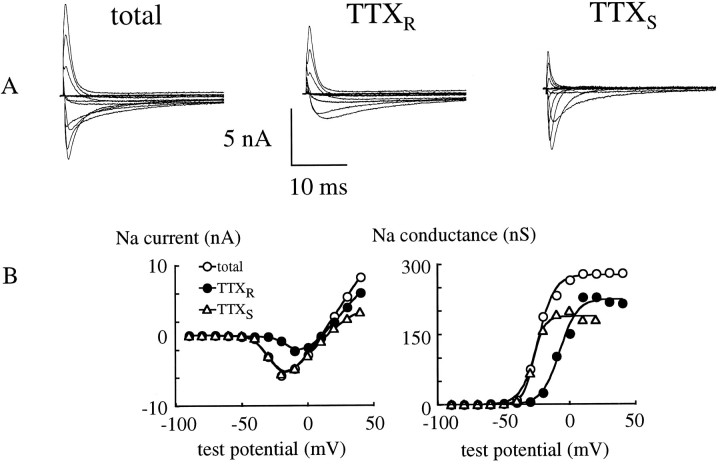
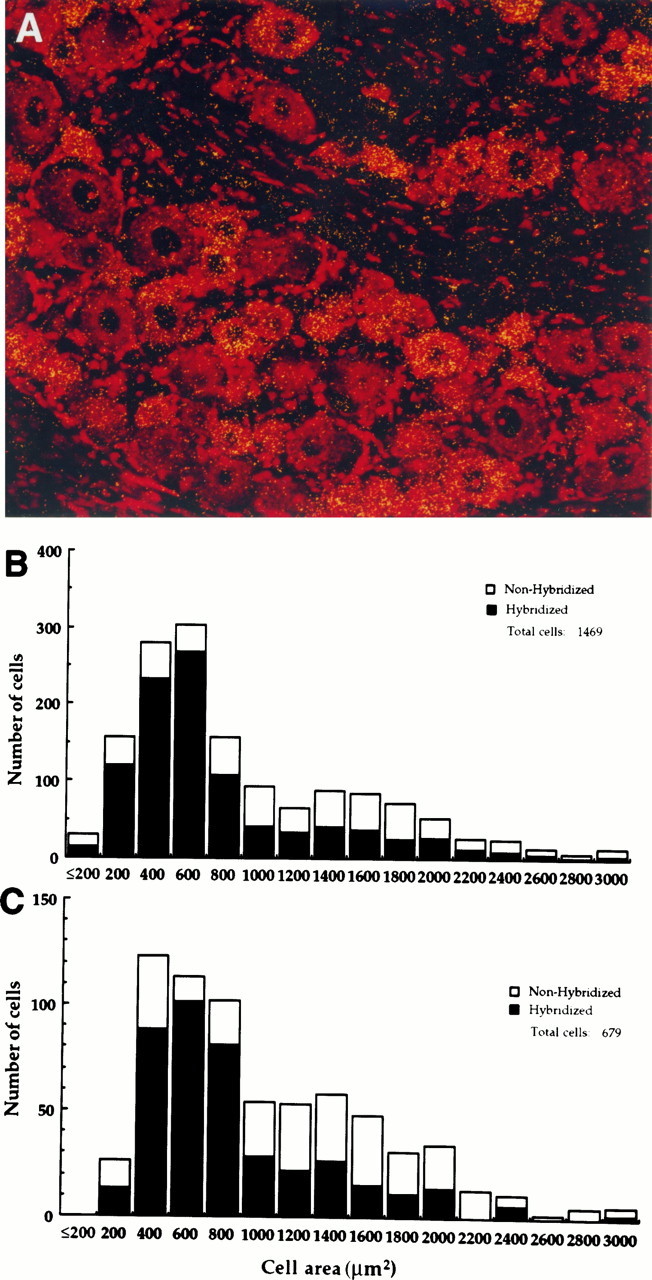
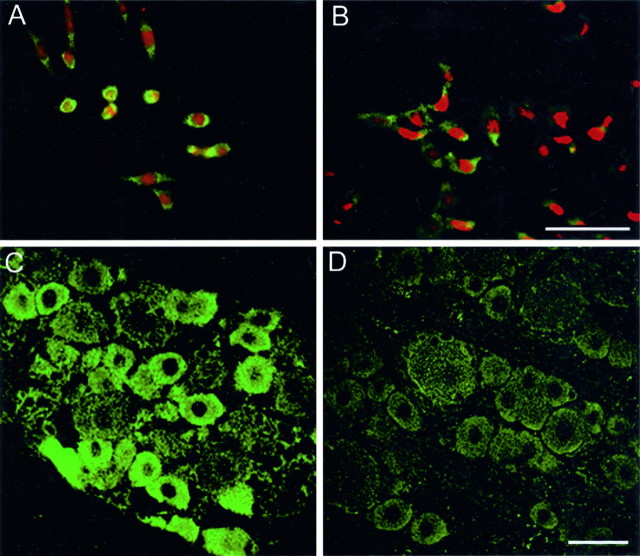
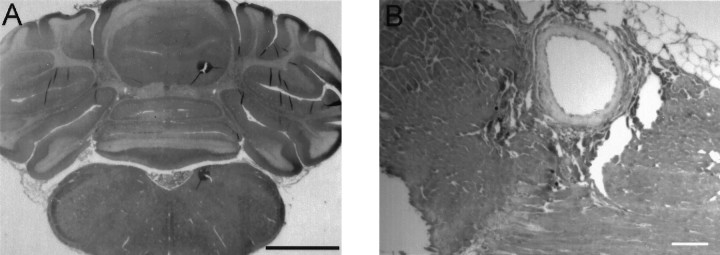
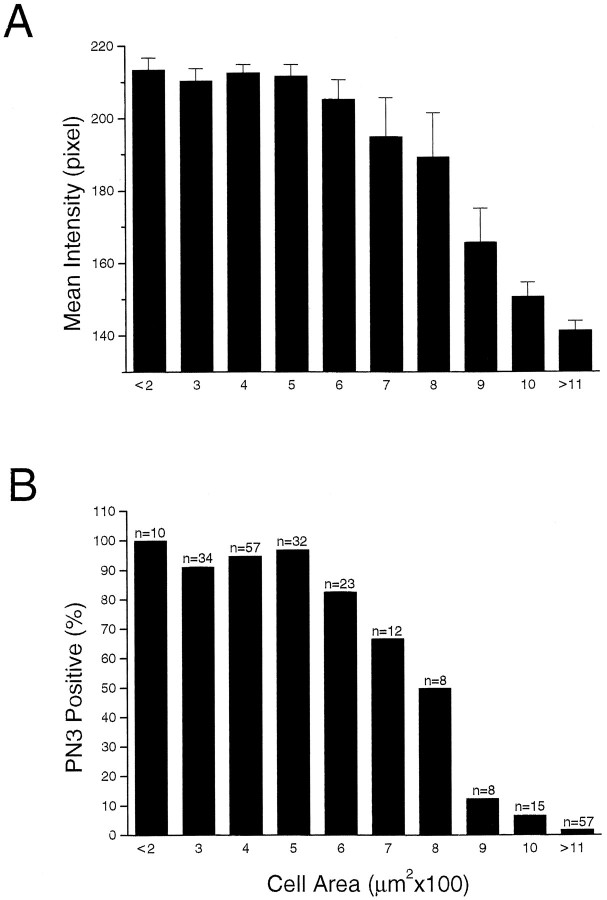
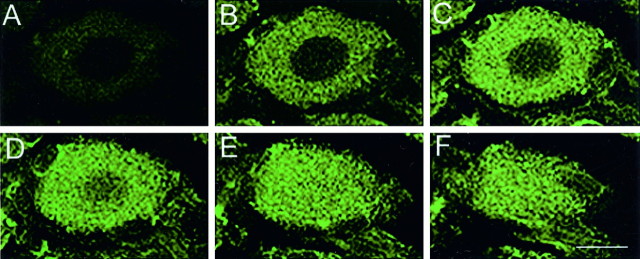
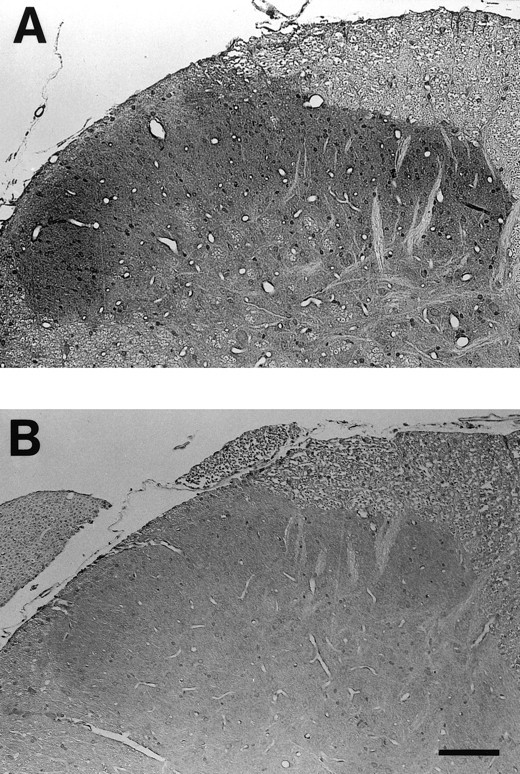
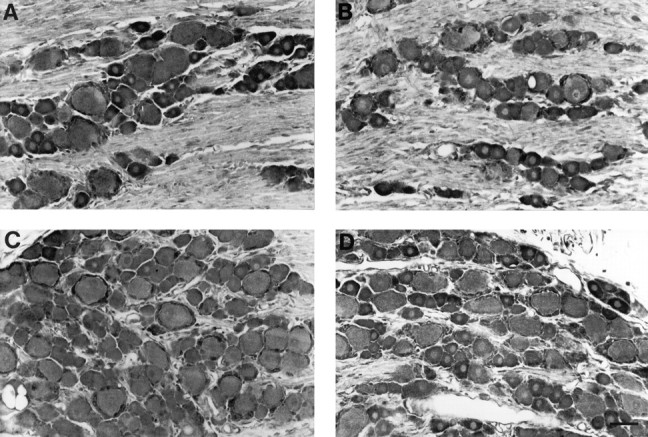
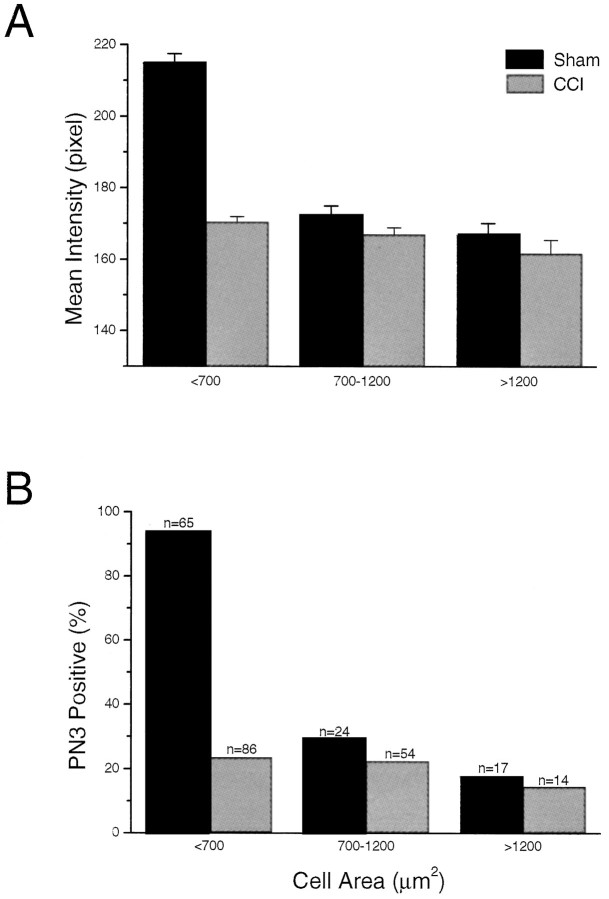
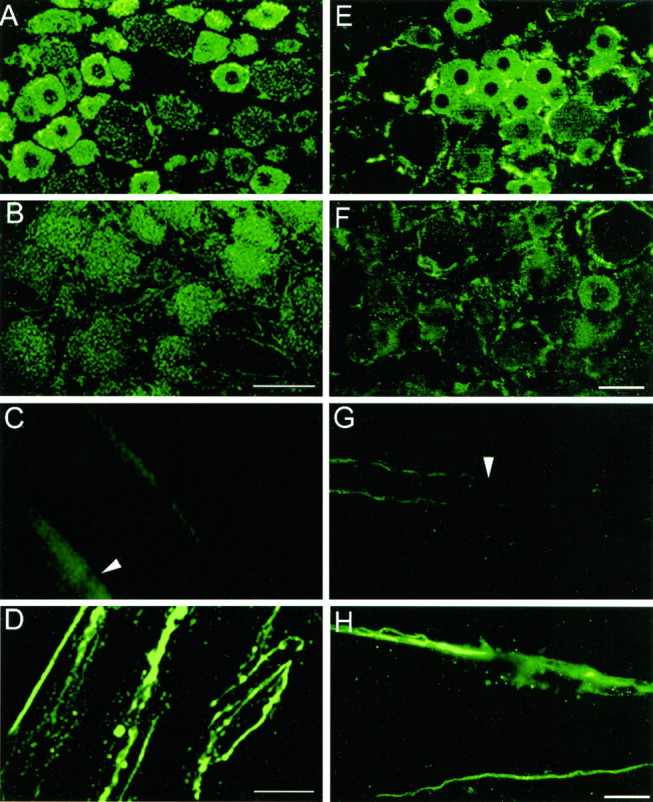
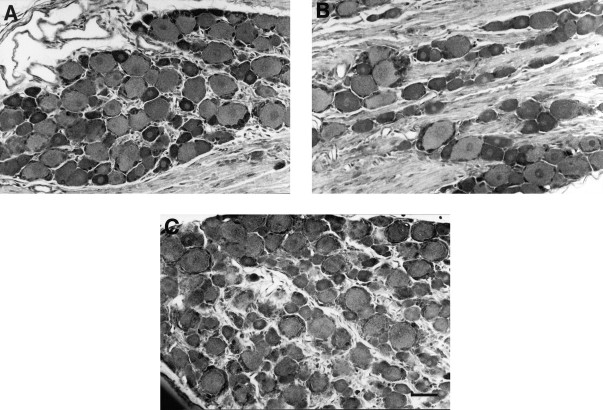
The novel sodium channel PN3/alpha-SNS, which was cloned from a rat dorsal root ganglion (DRG) cDNA library, is expressed predominantly in small sensory neurons and may contribute to the tetrodotoxin-resistant (TTXR) sodium current that is believed to be associated with central sensitization in chronic neuropathic pain states. To assess further the role of PN3, we have used electrophysiological, in situ hybridization and immunohistochemical methods to monitor changes in TTXR sodium current and the distribution of PN3 in normal and peripheral nerve-injured rats. (1) Whole-cell patch-clamp recordings showed that there were no significant changes in the TTXR and TTX-sensitive sodium current densities of small DRG neurons after chronic constriction injury (CCI) of the sciatic nerve. (2) Additionally, in situ hybridization showed that there was no change in the expression of PN3 mRNA in the DRG up to 14 d after CCI. PN3 mRNA was not detected in sections of brain and spinal cord taken from either normal or nerve-injured rats. (3) In contrast, immunohistochemical studies showed that major changes in the subcellular distribution of PN3 protein were caused by either CCI or complete transection of the sciatic nerve. The intensity of PN3 immunolabeling decreased in small DRG neurons and increased in sciatic nerve axons at the site of injury. The alteration in immunolabeling was attributed to translocation of presynthesized, intracellularly located PN3 protein from neuronal somata to peripheral axons, with subsequent accumulation at the site of injury. The specific subcellular redistribution of PN3 after peripheral nerve injury may be an important factor in establishing peripheral nerve hyperexcitability and resultant neuropathic pain.
Figures
References
-
- Akopian AN, Sivilotti L, Wood JN. A tetrodotoxin-resistant voltage-gated sodium channel expressed by sensory neurons. Nature. 1996;379:257–262. - PubMed
-
- Arbuckle JB, Docherty RJ. Expression of tetrodotoxin-resistant sodium channels in capsaicin-sensitive dorsal root ganglion neurons of adult rats. Neurosci Lett. 1995;185:70–73. - PubMed
-
- Attal N, Jazat F, Kayser V, Guilbaud G. Further evidence for pain-related behaviours in a model of unilateral peripheral mononeuropathy. Pain. 1990;41:235–251. - PubMed
-
- Basbaum AI, Gautron M, Jazat F, Mayes M, Guilbaud G. The spectrum of fiber loss in a model of neuropathic pain in the rat: an electron microscopic study. Pain. 1991;47:359–367. - PubMed
-
- Bennett GJ, Xie YK. A peripheral mononeuropathy in rat that produces disorders of pain sensation like those seen in man. Pain. 1988;33:87–107. - PubMed
Publication types
MeSH terms
Substances
LinkOut - more resources
Full Text Sources
Other Literature Sources
Medical
Molecular Biology Databases
