Crohn's-like reaction in diverticular disease
- PMID: 9577347
- PMCID: PMC1727035
- DOI: 10.1136/gut.42.3.392
Crohn's-like reaction in diverticular disease
Abstract
Background: Diverticulitis and Crohn's disease affecting the colon occur at similar sites in older individuals, and in combination are said to carry a worse prognosis than either disease in isolation. It is possible that diverticulitis may initiate inflammatory changes which resemble Crohn's disease histologically, but do not carry the clinical implications of chronic inflammatory bowel disease.
Aims: To evaluate histological features and clinical outcome in individuals initially diagnosed histologically as having both Crohn's colitis and diverticulitis.
Patients: Eleven consecutive individuals having a colonic resection showing histological features of both Crohn's disease and diverticulitis.
Methods: Retrospective review of histological specimens, case notes, and discharge letters.
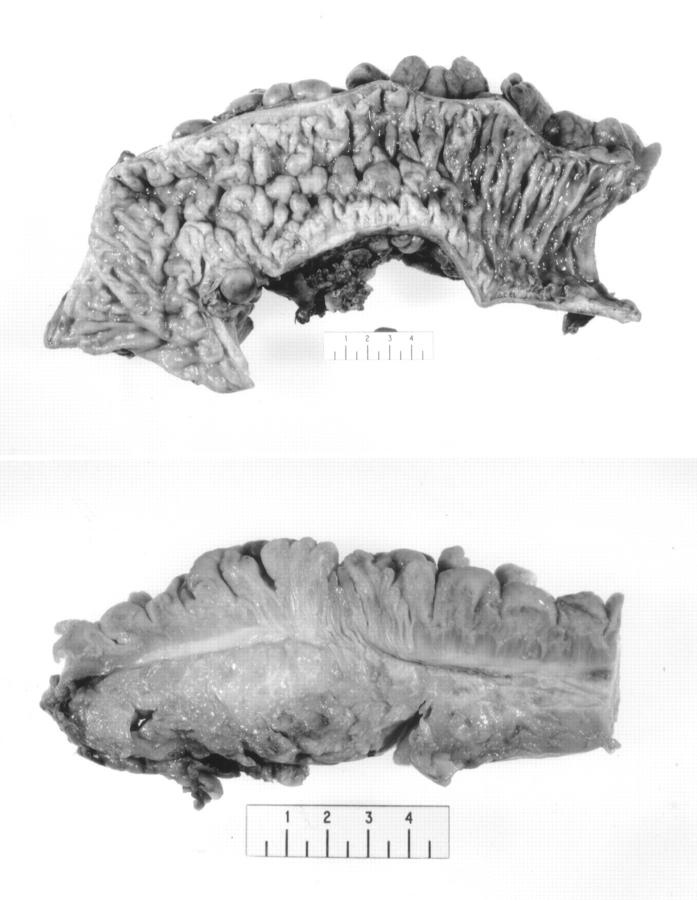
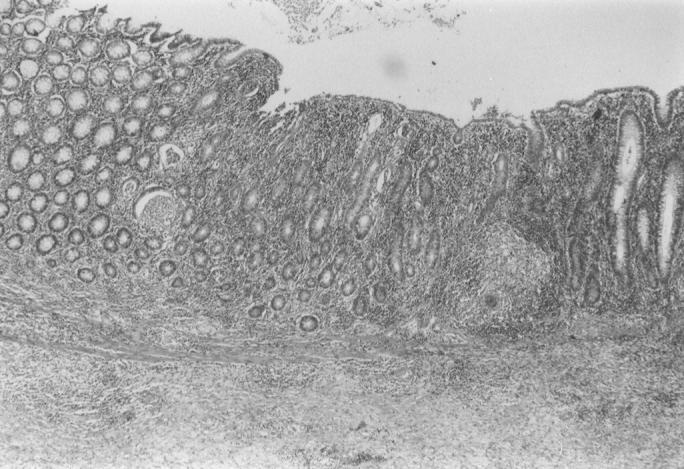
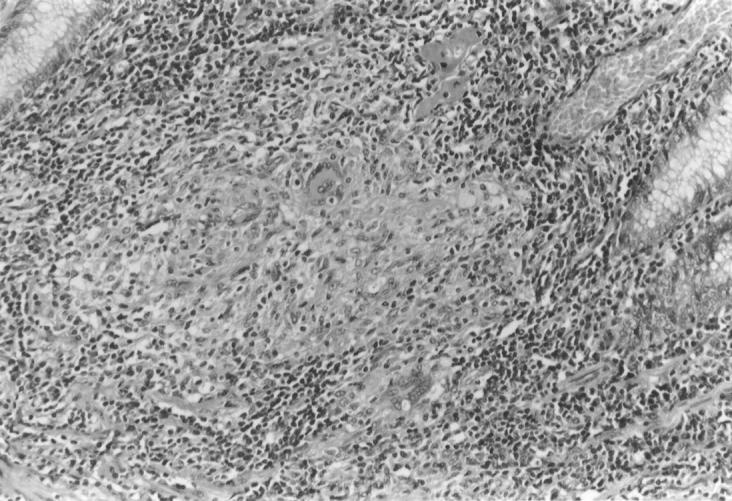
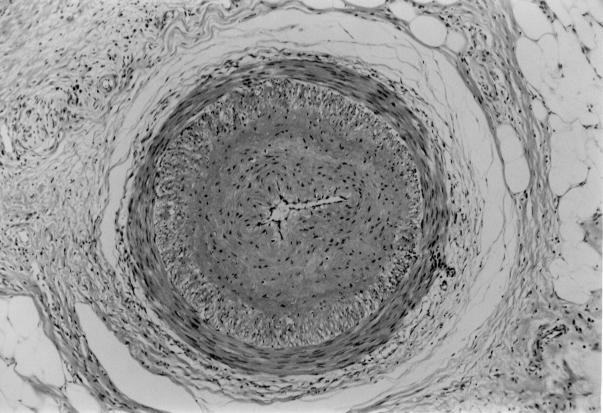
Results: In nine patients, the Crohn's-like reaction was confined to the segment bearing diverticula. They had no clinical evidence of Crohn's disease.
Conclusion: A Crohn's-like inflammatory response can be a localised reaction to diverticulitis and does not necessarily indicate chronic inflammatory bowel disease.
Figures
References
MeSH terms
LinkOut - more resources
Full Text Sources
Medical